Written by Healing Sky Editorial Team. Clinically reviewed by Eric Spinner PsyD
Focused meditation is one of the simplest, most reliable ways to train attention. You choose a single anchor, often the breath, a word, a sound, or a visual point, and keep returning to it. Each time the mind wanders, you notice it without judgment and gently come back. Over time, this repetition builds steadier concentration, calmer physiology, and a clearer sense of choice in how you respond to stress.
You don't need special beliefs, equipment, or long sessions to benefit. You do need a plan, consistency, and a light, patient attitude toward the normal wandering of the mind. This guide explains what focused meditation is, how it helps the brain and body, and how to begin safely and confidently.
What Focused Meditation Is
Focused meditation, sometimes called "concentration practice" or "single-pointed attention", is the skill of placing attention on one object and sustaining it. The object can be internal, such as the feeling of the breath at the nostrils, or external, like the sound of a chime. The goal isn't to block thoughts or feel a particular way. The goal is to notice where attention is and to guide it back to the anchor each time it drifts.
This sounds simple, and it is, but it also requires training. Just as curls strengthen biceps through repeated effort and release, focused meditation strengthens attention through the cycle of mind-wandering and gentle returning. That "rep" is the practice.
How It Works in the Brain and Body
Attention is not a single circuit; it's a network that includes systems for alerting, orienting, and executive control. Focused meditation repeatedly engages the brain's "top-down" control centers, regions like the prefrontal cortex and anterior cingulate cortex (ACC), that help sustain focus, notice distraction, and reorient. At the same time, steady breathing and a calm posture cue the parasympathetic nervous system (the "rest and digest" response), easing the physical stress load carried by the heart, lungs, and gut.
Many practitioners also notice a quieter mental background, which may reflect reduced time spent in the brain's usual mind-wandering stream. With less mental noise, it becomes easier to detect early signs of anxiety, rumination, or impulsive urges and choose a healthier response. Focused meditation does not require emptying the mind; it invites a different relationship to thoughts, observing them and returning to what matters now.
Benefits You Can Expect
Many people who practice five to fifteen minutes daily for several weeks report gains in concentration, stress reactivity, and emotional steadiness. The benefits are often dose-responsive: more consistent practice tends to bring steadier results. People commonly notice sharper focus for studying, reading, or complex tasks; reduced muscle tension; calmer breathing and heart rhythm that supports sleep; more space between trigger and reaction; improved frustration tolerance and impulse control; and greater self-awareness without self-criticism.
Focused meditation is not a cure-all. It works best as part of a broader mental health plan that may also include therapy, lifestyle changes, and, when appropriate, medication. Used consistently, it becomes a foundation for those other tools.
Focused Meditation vs. Mindfulness and Other Styles
"Mindfulness" is an umbrella term describing present-moment awareness with an open, non-judgmental attitude. Focused meditation is one form of mindfulness, the specific style that trains sustained attention on a single object. Other common styles include open monitoring (noticing whatever arises without choosing a single anchor) and compassion or loving-kindness practices (cultivating warm, prosocial emotions).
Many people blend styles over time. Starting with focused meditation builds the attentional foundation that makes other practices easier. Open monitoring can be added later for flexible awareness, and compassion practices can support relationships and mood.
Common Anchors to Use
An anchor should be simple, always available, and emotionally neutral. The breath at the nostrils is light, precise, and always accessible. Belly breathing offers a broader, soothing movement that can calm anxiety. A silently repeated mantra or neutral phrase works well in noisier environments. Counting breaths, 1 through 10 on exhales, then beginning again, adds a light cognitive layer that helps restless minds. For those who find internal sensations difficult, a steady external sound (white noise, ambient room sounds) or a visual point (a candle flame, a dot on the wall) can serve equally well.
There is no perfect anchor. If one feels forced or irritating, try another. What matters is returning to it with a patient, curious attitude.
A 10-Minute Starter Practice
The following steps can be done in a chair, on a cushion, or standing if sitting feels uncomfortable.
- Choose your anchor (breath, sound, or a simple phrase). Set a 10-minute timer, knowing it will end helps you relax.
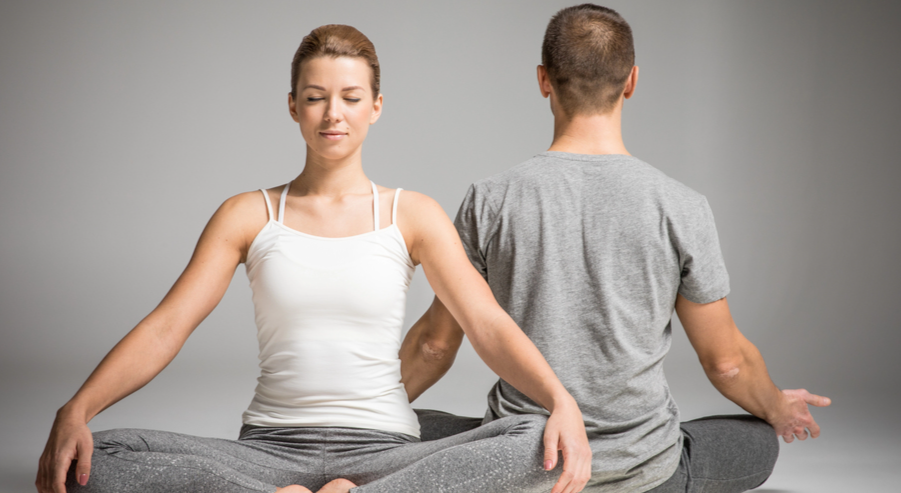
- Sit upright but not rigid. Feet flat on the floor or legs crossed comfortably. Soften the jaw and shoulders. Place hands on thighs or lap. Eyes closed or softly lowered.
- Take three slower breaths to arrive. Feel the body settle, then attend to your anchor. For the breath, notice the inhale and the exhale. For sound or mantra, let it fill the center of attention.
- When thoughts, images, or emotions arise, and they will, mentally note "thinking" or "feeling," then return to the anchor. No scolding, no story.
- If you lose the anchor completely, that's normal. The moment you notice, you've already returned. Begin again.
- In the last minute, widen awareness to the whole body and room. End by choosing one word for your current state (e.g., clear, tired, steady) and carry that label into your next task.
Begin with 5 to 10 minutes daily. After a week, add a minute or two. Many adults find benefit from 12 to 20 minutes per session, 5 to 7 days per week.
Working with Thoughts and Distractions
Distraction is not failure; it is the training ground. Think of attention like a camera lens, focused meditation lets you adjust it on purpose. When a thought appears ("Did I send that email?"), label it simply and return to the breath. If the mind is restless, narrow the focus to a small area, such as the air at the tip of the nostrils. If you feel dull or sleepy, open your eyes slightly, sit a bit taller, or allow a few deeper breaths. When emotions surge, lengthen the exhale to settle your physiology before returning attention.
Two attitudes keep practice healthy: kindness and curiosity. Kindness prevents harsh self-judgment, which tightens the mind. Curiosity keeps practice fresh, noticing fine details of the anchor (cooler air on inhale, warmer on exhale) helps attention stabilize.
Troubleshooting and Safety
Most obstacles are predictable and fixable. A few are clinical red flags that call for guided support.
"I can't stop thinking" is the most common concern, and the answer is that you don't need to. Note "thinking," return to the anchor, and shorten sessions to 5 minutes if needed, consistency matters more than length. Physical discomfort is also common; changing posture usually resolves it, whether that means a chair with back support, a cushion under the feet, or brief standing meditation between sits. Sleepiness responds well to meditating earlier in the day, opening the eyes, increasing room brightness, or taking three energizing breaths before resuming.
Some people find that noticing the breath increases anxiety rather than reducing it. Choosing an external anchor, sound or a visual point, with eyes open is a straightforward fix. For those with panic symptoms, internal sensations can be triggering early in practice, and external anchors are the safer starting point.
If old memories or trauma surface, pause, ground yourself with an external anchor (feet on the floor, eyes open), and take a break. If flashbacks or dissociation occur, work with a trauma-informed clinician before continuing independent practice. Focused meditation complements but does not replace therapy or medication. Anyone with severe depression, active mania or psychosis, trauma symptoms, or suicidal thoughts should seek professional care and practice only with clinical guidance.
If you ever feel worse during or after practice, more agitated, disconnected, or unsafe, scale down, switch to external anchors, and consult a clinician familiar with meditation.
Building a Habit and Tracking Progress
The brain favors what you repeat. Short, consistent sessions beat occasional long ones. Tying practice to an existing routine, after brushing teeth, during a lunch break, or before shutting down a laptop, keeps the decision automatic. A simple setup helps: a chair, a quiet corner, and a timer.
Progress isn't measured by a blank mind. It shows up as steadier returns and less reactivity in daily life. Useful signals to watch include minutes practiced and days per week, a subjective calm rating before and after each session (0 to 10), how often you noticed distraction and returned, and how quickly you recover from stressors during the day. Look for gradual improvements over weeks, not days, and expect plateaus, they are part of learning.
Focused Meditation for Specific Goals
The anchor and pacing can be tuned to match particular needs. For stress and anxiety, belly breathing with a slightly longer exhale (inhale 4 counts, exhale 6) works well; keeping eyes open and labeling worry thoughts before returning to the lengthened exhale adds stability. For ADHD and task focus, a crisp external anchor such as soft ticking or white noise suits brief, frequent sessions of 5 to 10 minutes, followed by a 60-second reset before challenging tasks; a small smooth stone can serve as a tactile aid. For sleep, practicing in dim light while reclined, using a gentle body scan from toes to head, is appropriate, and drowsiness is a valid outcome at bedtime. For chronic pain or cravings, a wide, gentle focus around the sensation with slow exhales helps; if intensity spikes, shifting to an external anchor avoids overwhelm.
Each of these variants uses the same core skill: choose an anchor, return to it, and treat distractions as part of the work.
Bringing Focus into Daily Life
Formal sessions build capacity; informal micro-practices apply it when it counts. Before opening email, three slow breaths and a single intention take under a minute. During transitions, parking the car, ending a meeting, one minute of breath focus resets attention. While walking, focusing on the rhythmic contact of each step for a block is a complete practice. At meals, three breaths before the first bite, noticing scent and temperature, anchors attention to the present. At bedtime, five breaths with longer exhales after setting the phone aside prepares the nervous system for sleep.
These small moments train the brain to choose what to focus on next rather than reacting automatically.
Myths to Leave Behind
Several misunderstandings derail good intentions before practice gets a chance to work. The most common is that meditation means clearing the mind, it doesn't. Thoughts continue; what changes is the response to them. A related myth is that fidgeting or getting distracted means failure; in fact, distraction is normal and returning is the skill. Some people believe they need a quiet room or perfect posture, but while those conditions are helpful, they are not required, attention is portable. Finally, many assume results take months, when many people notice small changes, a calmer breath, a quicker return to task, within the first week of steady practice.
Technical Refinements for Maturing Practice
As practice develops, small adjustments can deepen it without adding time. Aim for clear attention on the anchor without gripping, too tight leads to agitation, too loose leads to sleepiness, and the middle ground is the target. Light mental labels such as "in, out" or "hearing, hearing" keep attention honest and can be dropped once the anchor feels steady. Deciding in advance whether to focus on a small area (tip of the nose) or a wide one (whole body) reduces decision fatigue within a session. A brief scan of posture, breath, and mood every few minutes often restores focus more effectively than willpower alone.
When to Adjust Practice or Seek Guidance
Focused meditation is generally safe, but certain signals call for a change in approach. Escalating panic when watching the breath is a clear sign to switch to external anchors. Emotional flooding or trauma memories warrant shorter sessions, open eyes, added grounding, and consultation with a trauma-informed clinician. New or worsening insomnia from late-evening practice is resolved by moving sessions earlier in the day.
The following signs require pausing independent practice and seeking medical care:
- Signs of mania or psychosis: pause independent practice immediately and seek medical evaluation. Meditation is not a substitute for treatment in these conditions.
Match the practice to the nervous system available today, not an idealized one.
A Four-Week Starter Plan
- Week 1: 7 minutes daily, breath at the nostrils, eyes gently closed, same time each day.
- Week 2: 10 minutes daily. Add a 60-second reset before one demanding task.
- Week 3: 12 to 15 minutes daily. Track calm scores before and after, and note any changes in reactivity.
- Week 4 and beyond: 15 to 20 minutes most days. Keep one micro-practice that fits naturally (walking, transitions, or breath before email).
If a day is missed, begin again the next. Momentum grows from consistency, not perfection.
Take the Next Step with Healing Sky
Focused meditation works best when it is personal. The anchor, posture, and session length should match an individual's body, schedule, and mental health goals. Healing Sky can connect you with a provider who integrates meditation training with evidence-based therapy and, when appropriate, medication management. If you are navigating anxiety, ADHD, insomnia, trauma recovery, or high-stress work, Healing Sky can match you with a clinician who can help design a safe, sustainable plan, one that strengthens attention while honoring your clinical needs.
When you are ready for tailored support, reach out to Healing Sky to connect with a clinician who understands both the science and the human side of meditation.