Written by Healing Sky Editorial Team. Clinically reviewed by Cynthia Abraham D.O.
When someone is ready to stop using alcohol or other substances, the most immediate concern is often withdrawal. Many people picture a hospital ward or a rehab facility, but there is another option that is safe, structured, and evidence-based for the right patient: in-home, nurse-monitored outpatient detox. "Detox" here means medically supervised withdrawal management, the first step in recovery, not the entire course of treatment.
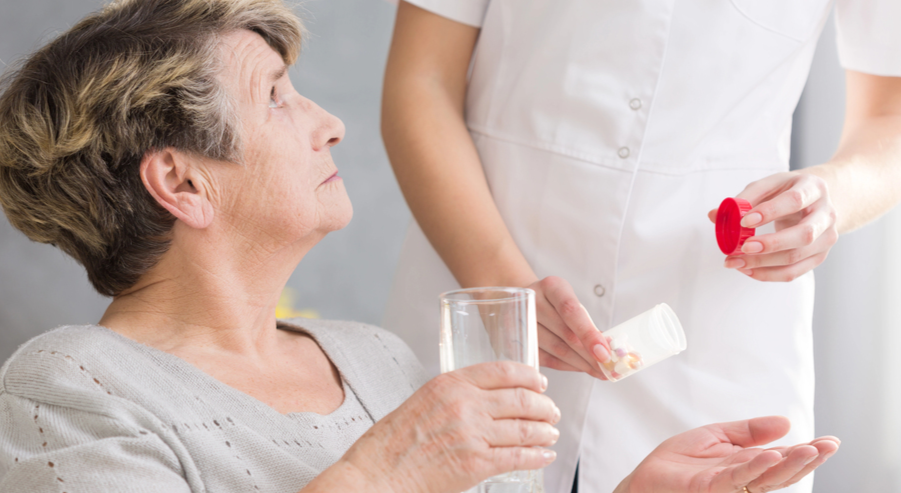
In-home, nurse-monitored detox brings professional care to the patient's front door. A registered nurse visits and remains available between visits, monitors vital signs and withdrawal symptoms, administers or coordinates medications ordered by a physician, and keeps a clear safety plan in place. The patient stays in their own bed, eats their own food, and has their support system nearby, all while receiving medical oversight designed to keep them safe and as comfortable as possible.
This is not "cold turkey alone." It is a structured medical service that blends nursing care, physician oversight, and telehealth check-ins.
A Clear Definition
In-home, nurse-monitored outpatient detox is a planned medical withdrawal that occurs at the patient's residence, with scheduled nurse visits, remote or in-person physician oversight, and access to 24/7 on-call support. Medication plans are individualized to the substance involved, the patient's medical history, and their risk factors. The goal is stabilization: prevent serious complications, reduce discomfort, and transition seamlessly to ongoing treatment, therapy, medication-assisted treatment, and recovery supports.
Key features typically include scheduled nursing assessments of vital signs and withdrawal severity using standard scales, physician-directed medication protocols tailored to alcohol, opioids, or other substances, and a written safety and escalation plan with access to 24/7 clinical support. Monitoring is daily, often multiple contacts per day in the early phase, with the ability to increase intensity if needed, followed by a structured transition to ongoing addiction care after detox.
For search clarity, some programs describe this as "drug and alcohol in-home nurse-monitored outpatient detoxification," "home detox," or "at-home medical withdrawal management."
Who Is a Suitable Candidate?
The right candidate is medically and psychiatrically stable enough to be cared for at home, has reliable support, and can follow a plan. Before starting, the patient completes a clinical assessment that weighs benefits and risks. Good-fit indicators include mild to moderate anticipated withdrawal based on history and current use, stable medical conditions with routine medications on hand, no recent history of severe alcohol withdrawal complications such as delirium tremens or withdrawal seizures, a safe and calm place to stay with a willing support person nearby, and the ability and willingness to follow instructions and contact the clinical team if symptoms worsen.
Many people choose in-home detox for privacy, comfort, and the ability to maintain work or family roles more easily. It can also reduce exposure to triggers that sometimes occur in institutional settings.
Who Should Not Use In-Home Detox
Some situations carry enough risk that inpatient medical detox is the safer path. A clinician will recommend a higher level of care if any of the following apply:
- Past delirium tremens, withdrawal seizures, or severe alcohol withdrawal requiring ICU care.
- Uncontrolled medical illness (e.g., unstable heart disease, severe liver failure, active infection, severe dehydration).
- High-dose benzodiazepine or barbiturate dependence.
- Polysubstance use with high medical risk (for example, heavy alcohol plus benzodiazepines).
- Active suicidal thoughts, psychosis, or inability to adhere to a plan.
- Pregnancy, especially with alcohol, benzodiazepines, or opioids, unless a specialized perinatal program is involved.
- Lack of a safe setting or no reliable support person.
Choosing the right setting is not about toughness, it is about safety. The assessment tailors the plan to the individual.
How the Process Works
Step 1: Comprehensive Assessment and Planning
Detox begins with a clear picture of the patient's health. A nurse and physician review substance use history, prior withdrawals, medical and psychiatric conditions, medications, and supports. Goals are discussed: complete abstinence versus harm reduction, and long-term treatment options following detox. This includes a review of use patterns, last use, and typical withdrawal symptoms; screening tools for withdrawal severity such as CIWA-Ar for alcohol and COWS for opioids; a medication plan matched to the patient's risks and preferences; a written safety plan covering what to watch for, when to call, and when to escalate to the ER; and coordination with the primary care provider when helpful. If labs or an EKG are advised based on history, testing is coordinated promptly.
Step 2: Preparing the Home
Setting up a restful, safe space is part of the process. That includes removing alcohol and non-prescribed substances, identifying a support person, and planning simple meals and hydration. Routine medications should be organized and ready. Practically, this means choosing a quiet bedroom with easy bathroom access and room for the nurse's kit, stocking fluids such as water and electrolyte drinks along with light snacks and bland protein-rich foods, gathering a thermometer and any home diagnostics the nurse requests, arranging pet care or childcare if possible for the first several days, and identifying one trusted support person who knows the plan.
Step 3: Medication-Supported Withdrawal
Medication is individualized, one-size-fits-all approaches are avoided. For alcohol, benzodiazepines such as diazepam, chlordiazepoxide, or lorazepam are often used to prevent seizures and reduce agitation, with dosing guided by symptom scores and vital signs. Thiamine (vitamin B1) is given to protect the brain, typically before glucose or other carbohydrate administration. Non-addictive sleep aids, nausea medications, and antacids support comfort. In selected lower-risk cases, certain anticonvulsants may be considered.
For opioids, buprenorphine, often combined with naloxone in outpatient formulations, is a gold-standard option that both treats withdrawal and forms the basis of ongoing recovery medication. Induction timing is critical; it begins once withdrawal is present to avoid precipitated withdrawal. Some patients use lofexidine or clonidine for autonomic symptoms, along with anti-nausea, anti-diarrheal, and sleep aids. If methadone is the plan, coordination with a licensed program is required.
Benzodiazepine and sedative withdrawal requires a cautious, physician-directed taper. Many patients are safer in inpatient care; when outpatient is used, doses are tightly managed and monitored. For stimulants, cannabis, and nicotine, withdrawal is usually non-life-threatening, and the focus is on sleep regulation, mood support, nutrition, and targeted medications for specific symptoms like anxiety or insomnia.
Throughout, the nurse monitors the patient's response and communicates with the physician to adjust the plan.
Step 4: Daily Monitoring and Escalation Safeguards
The first 72 hours are the most dynamic. Multiple check-ins daily, some in person, some by secure telehealth, continue until symptoms plateau. The clinical team watches for dehydration, vital sign instability, and any change in mental status. If thresholds are met, such as severe confusion, rising heart rate and blood pressure, uncontrolled vomiting, or a seizure, the patient moves to a higher level of care immediately. Nursing care includes vital signs, oxygen saturation, and hydration status; withdrawal severity scoring to guide symptom-triggered dosing; assessment of orientation, mood, and sleep; medication administration or supervision per physician orders; education for the patient and support person on what to expect; and coordination of transportation if hospital evaluation becomes necessary.
Step 5: Transition to Ongoing Treatment
Detox is not treatment by itself, it is the on-ramp. The best outcomes occur when the patient leaves detox with a plan already in motion, typically including therapy, medication-assisted treatment when indicated, recovery support meetings, and primary care follow-up. Next steps are aligned before Day 1 so there is no gap in care.
What to Expect Day by Day
Every person's course is different, but some patterns are common. With alcohol, symptoms can start within 6 to 12 hours of the last drink, peak around 24 to 72 hours, and ease by day 4 to 5 for many. Anxiety, tremor, sweating, nausea, and poor sleep are typical. With medication and monitoring, the risk of severe complications is reduced for appropriate outpatient candidates.
With opioids, early symptoms often start 8 to 24 hours after the last short-acting dose, longer for methadone, and may peak by day 3 to 5. Body aches, chills, restlessness, stomach upset, and sleep disruption are expected. Buprenorphine can sharply reduce symptoms and cravings and is commonly continued as maintenance treatment.
With stimulants and cannabis, fatigue, sleep changes, irritability, and appetite changes are common, with a mood trough in the first week that improves with structure and support. With benzodiazepines, taper schedules are individualized and often take longer. Rebound anxiety and insomnia are common; rushing this process is avoided because safety comes first.
Safety First: Red Flags to Act on Immediately
In-home detox includes clear rules about when to call for help. If any of the following occur, care is escalated without delay:
- New confusion, disorientation, or hallucinations.
- Seizure activity.
- A fever that rises or persists despite medication.
- Chest pain, severe shortness of breath, or fainting.
- Sustained high blood pressure or heart rate, or oxygen levels dropping.
- Uncontrolled vomiting or inability to keep fluids or medication down.
- Severe agitation that does not respond to the plan.
- Thoughts of harming yourself or others.
Having a safety plan from the start and a team reachable 24/7 means there is a clear, practiced response to any of these situations.
Benefits and Limitations Compared with Inpatient Detox
In-home, nurse-monitored detox is not the right choice for everyone, but when it is clinically appropriate, it offers real advantages. Patients stay in their own space, which provides comfort and privacy and keeps them connected to family, pets, and routines that support recovery. Many people are more likely to enter and complete ongoing treatment when the first step happens at home. Home-based care can also reduce costs and barriers like travel or time off work.
Limitations are real as well. If severe withdrawal develops, hospital care may still be needed. Home settings vary, and some environments are not conducive to recovery. Availability differs by region, and not all insurance plans cover home-based services in the same way.
Privacy, Dignity, and Family Involvement
Substance use disorders thrive in shame and secrecy. In-home detox turns the setting of the illness into the setting of healing. Family or chosen supports can learn practical ways to help without becoming enforcers. Loved ones are taught what is helpful, structure, empathy, firm boundaries, and what is not, such as arguing, minimizing symptoms, or taking over tasks the patient needs to manage. Supportive people are invited to brief check-ins with the nurse or physician, with the patient's permission, so the care plan is aligned and clear.
Insurance and Practicalities
Coverage varies. Many insurers recognize the medical necessity of supervised withdrawal but differ on where it occurs. Benefits should be verified beforehand to avoid surprises. Out-of-pocket costs depend on visit frequency, on-call coverage, and medication needs. Patients should ask whether their plan covers home nursing for withdrawal management, confirm coverage for medications like buprenorphine, anti-nausea agents, and sleep supports, and clarify aftercare benefits for therapy, psychiatry, and medication management.
What Makes It "Nurse-Monitored"
The nurse is the patient's day-to-day anchor during detox. Their role is hands-on, clinical, and proactive, trained to spot early warning signs that a layperson might miss, and to coordinate swiftly with the physician. The nurse tracks vitals and symptom scores at set intervals and as needed, educates the patient about each medication's purpose and side effects, encourages hydration, nutrition, and sleep hygiene, helps the patient and support person rehearse the safety plan, keeps medications secure and organized, and documents progress to enable same-day physician adjustments. This is the difference between attempting to manage alone and receiving medical care at home.
Common Myths, Clarified
Myth: "Home detox is just DIY." Nurse-monitored outpatient detox is a professional medical service with protocols, physician oversight, and emergency backup plans.
Myth: "If I'm not in a hospital, it must not be serious." Many withdrawals are safely managed at home for the right patient. A serious severity does not always require institutional walls; it requires expertise and monitoring.
Myth: "Detox equals recovery." Detox is the start. Recovery requires ongoing treatment, skills, community, and time.
Myth: "Medication-assisted treatment just swaps one drug for another." Medications like buprenorphine treat a chronic brain disorder, reduce overdose risk, and stabilize the nervous system so the patient can build a life in recovery.
Preparing Your Home and Your Mindset
Success starts with preparation. Practically, this means clearing the house of alcohol and non-prescribed substances, prepping easy meals and electrolyte drinks, setting phone alarms for nurse visits and medication times, creating a calming environment with lower light and comfortable bedding, and letting a few trusted people know what is happening and how they can help.
Discomfort is expected, but not chaos. Progress may feel slow and is still progress.
Life After Detox: the Real Work Begins
Detox resets the body; recovery reshapes the brain and lifestyle. Next steps should be discussed early so the patient moves forward without a gap. Strong aftercare plans typically include medication-assisted treatment when indicated, such as buprenorphine for opioid use disorder or medications that reduce alcohol cravings, along with individual therapy focused on relapse prevention skills, triggers, and coping strategies. Structured peer support through mutual-help meetings or recovery groups, sleep and nutrition and exercise routines that stabilize mood and energy, treatment of co-occurring conditions like anxiety, depression, ADHD, or trauma, and family education and boundary setting all support long-term change. The first 90 days are especially important. Plan the weeks, not just the days.
Choosing a Reputable In-Home Detox Program
Quality matters. Patients should ask direct questions and look for transparent answers. A reputable program has physician oversight by board-certified addiction specialists or psychiatrists, experienced registered nurses with specific training in withdrawal management, and clear admission criteria with a written safety escalation plan. It offers 24/7 on-call availability with rapid response, medication protocols tailored to substance type and patient risk factors, and integration with ongoing care including therapy, medication management, and recovery support. Respectful, stigma-free communication and shared decision-making are standard, as is willingness to include a support person with the patient's consent and provide practical education. If answers feel vague or rushed, keep looking.
How Healing Sky Can Help
Healing Sky can connect patients with a nurse-monitored outpatient detox provider who takes a whole-person approach: listening first, then tailoring the plan, because no two people withdraw the same way. The providers Healing Sky works with emphasize safety, comfort, and dignity, with close nursing contact and physician availability throughout. Therapy, medications when indicated, and recovery supports are lined up before Day 1. If an assessment indicates that inpatient care would be safer, that transition is coordinated without delay.
Taking the Next Step
For many people, in-home, nurse-monitored outpatient detox offers real medical care with the comfort and privacy of home. Withdrawal is treatable. The setting matters less than the quality of care and the plan that follows. When ready, Healing Sky can match patients with a provider who will clarify whether in-home detox is the right fit and outline exactly how safety is maintained throughout the process.