Written by Healing Sky Editorial Team. Clinically reviewed by Cynthia Abraham D.O. on April 27, 2026
Kratom is sold as a natural supplement, but that label does not protect users from dependence. People who begin using it for pain, anxiety, or fatigue can find, months later, that they cannot get through a day without it. This guide explains how kratom addiction develops, what it looks like in daily life, and what treatment options actually work.
What Kratom Is
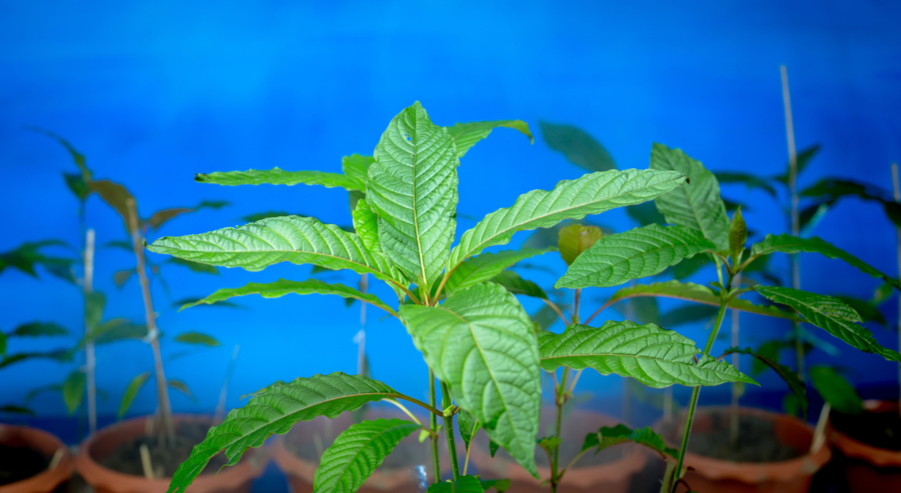
Kratom comes from Mitragyna speciosa, a tropical tree native to Southeast Asia. Its leaves contain two main alkaloids, mitragynine and 7-hydroxymitragynine, which activate the same brain receptors that respond to opioids. The product reaches consumers as powders, capsules, teas, resins, shots, and concentrates. Its effects are dose-dependent: lower doses tend to be stimulating, producing energy, focus, and talkativeness, while higher doses are more sedating, producing pain relief, calm, and sometimes euphoria. Because kratom is unregulated, potency varies widely across products, and extracts or "enhanced" preparations carry higher addiction potential than plain leaf.
Is Kratom Addictive?
Yes. While some people use kratom occasionally without problems, many develop dependence and a pattern of compulsive use that clinicians classify as a substance use disorder. Physical dependence means the body has adapted so that more kratom is needed for the same effect (tolerance) and the person feels unwell when a dose is missed (withdrawal). Addiction goes further: continued use despite harm, loss of control over use, and strong cravings. A practical way to recognize the difference is this: if kratom is running the day rather than helping it, addiction may be present.
How Kratom Addiction Develops
Most people do not set out to become dependent. Kratom reliably improves pain, mood, or energy, so it becomes a go-to solution. Over time, receptors adapt and yesterday's dose no longer provides the same relief, so doses increase slightly and then routinely. Eventually, dosing shifts from seeking a benefit to avoiding feeling sick. At that point, kratom has become part of the daily rhythm: on waking, before work, after meals, before bed. Recognizing this cycle helps in designing a plan that addresses each step, not just motivation to stop.
How Kratom Addiction Manifests
Kratom addiction usually builds gradually. At first it may feel like a helpful supplement. Over time it begins to crowd out sleep, relationships, health, and finances.
Physically, the clearest early sign is tolerance: doses increase in size or frequency to maintain the same effect. Withdrawal between doses produces anxiety, sweating, muscle aches, and irritability. Sleep is often disrupted, with insomnia, oversedation, or vivid dreams. Gastrointestinal symptoms are common, including nausea, constipation, and abdominal cramping, along with headaches, tremors, restlessness, and changes in appetite or weight.
Psychologically, cravings become difficult to resist. Mood swings, irritability, and depressed mood are frequent, as are anxiety and social withdrawal. A telling sign is feeling "normal" only after dosing rather than feeling any positive effect.
Behaviorally, more time goes toward buying, measuring, or recovering from use. People often hide their use or minimize the quantity and potency they are taking. Missing work or school, using kratom to "function," and continuing to use despite health, relationship, or financial problems are all signs that dependence has taken hold.
What Kratom Withdrawal Looks Like
Kratom withdrawal resembles mild to moderate opioid withdrawal and typically begins within 12 to 36 hours of the last dose in frequent users. Symptoms include anxiety, irritability, restlessness, and low mood alongside physical signs such as yawning, watery eyes, runny nose, sweating, chills, goosebumps, and muscle and joint aches. Nausea, diarrhea, abdominal cramping, insomnia, intense dreams, cravings, and poor concentration are also common. Symptoms usually peak around days 2 to 4 and most physical discomfort eases by day 5 to 7, though sleep, mood, and energy may take longer to normalize.
Several factors can complicate withdrawal: use of high-potency extracts, very frequent dosing, combining kratom with sedatives such as benzodiazepines or alcohol, medical comorbidities, and prior opioid use disorder. Planning ahead with clinical support makes a substantial difference in how manageable this period is.
Risk Factors for Kratom Addiction
Certain situations make addiction more likely. A personal history of substance use disorder raises risk, as do chronic pain, anxiety, PTSD, depression, sleep disorders, and high baseline stress. On the product side, high-potency extracts and "fortified" shots carry more risk than plain leaf, and unlabeled or inconsistent alkaloid content makes dosing unpredictable. Use patterns also matter: dosing multiple times daily, using kratom to prevent withdrawal rather than for symptom relief, and combining it with opioids, benzodiazepines, alcohol, or sedative-hypnotics all increase the likelihood of dependence. None of these are moral failings; they are risk multipliers.
Short- and Long-Term Health Risks
Short-term kratom use can cause nausea, vomiting, constipation, dizziness, sedation, impaired coordination, sweating, itchiness, dry mouth, and in some people increased heart rate or blood pressure. With long-term or heavy use, dependence and withdrawal become central concerns, and sleep disruption and daytime fatigue are common. Anxiety and depressed mood can worsen over time. Possible liver injury has been reported and presents as jaundice, dark urine, or severe abdominal pain; anyone experiencing these symptoms should seek medical care. Kratom may also affect liver enzymes involved in metabolizing other medications, creating drug interaction risks.
Two safety points require emphasis: kratom should not be combined with opioids, benzodiazepines, alcohol, or other sedatives because overdose risk rises, and people should not drive or operate machinery when sedated by kratom.
When to Seek Immediate Help
If any of the following occur, an urgent evaluation in an emergency department is warranted:
- Chest pain, fainting, or severe shortness of breath
- Seizure, confusion, or loss of consciousness
- Yellowing of the skin or eyes, severe abdominal pain, or very dark urine
- Vomiting that prevents hydration
- Thoughts of harming yourself or others
If you are in a mental health crisis, call or text 988 (the Suicide and Crisis Lifeline) in the United States.
Testing and Diagnosis
There is no single kratom test available in typical clinical settings. Diagnosis relies on a careful clinical assessment covering the exact products and doses used (powder versus extract), frequency and timing, reasons for use, attempts to cut down, withdrawal experiences, and effects on mood, sleep, relationships, and work. A clinician will also ask about other substances and medications. Physical examination looks at vital signs, hydration, gastrointestinal function, tremor, pupils, and skin, and screens for mental health conditions that may be driving use. Lab work may include liver enzymes, a basic metabolic panel, and a urine drug screen for other substances. Specialized kratom testing exists but is not routine or necessary for most patients. Diagnosis uses standard substance use disorder criteria (mild, moderate, or severe) to guide treatment planning.
Treatment Options
The right plan depends on pattern of use, medical history, and goals. Most people can recover safely with outpatient care; some benefit from a higher level of support. Core elements of any plan include a personalized taper or supervised stop with comfort medications, evidence-based therapy for cravings and stress, sleep and pain management without kratom, and monitoring and accountability. Outpatient care with frequent check-ins is often enough. Intensive outpatient or partial hospitalization provides more structure for those who need it. Inpatient or residential care is appropriate when there is medical complexity, polysubstance use, or unsafe housing.
A Practical Kratom Taper
A gradual taper is often the most comfortable approach, especially for heavy daily use or extracts. The specifics should be individualized, but the following framework is a common starting point.
Preparation involves switching to a single, consistent product if multiple are in use, since plain leaf is easier to taper than high-potency extracts. The total daily dose should be divided into measurable amounts on a fixed schedule (for example, morning, midday, and evening), with no extra rescue doses.
For the rate of reduction, the total daily dose is reduced by about 10 to 20 percent every 3 to 7 days. If withdrawal becomes hard to manage, the dose is held until stable before resuming reductions. At lower doses, cuts of 5 to 10 percent minimize insomnia and anxiety.
Comfort strategies during the taper include melatonin or short-term non-habit-forming sleep aids as prescribed, clonidine or similar medications to reduce sweats, chills, and elevated heart rate, NSAIDs and heat for muscle aches, ondansetron for nausea, and loperamide only at labeled doses (do not exceed recommended amounts). Hydration, light meals, and regular daylight exposure also help.
Behavioral supports matter as well. Tracking doses, sleep, and symptoms in a simple log helps identify patterns. Replacing dosing rituals with new habits (for example, substituting an herbal tea or a brief walk for a scheduled dose) reduces the behavioral pull. Scheduling low-effort pleasant activities each day counters anhedonia. Many people taper down to once-daily dosing, then every other day, then stop. A few difficult days after the final dose are common; preplanned support makes the difference.
Stopping Without a Taper
Some patients choose to stop abruptly, particularly at lower doses of plain leaf. This can work with the right supports in place: time off or a light workload for 3 to 5 days, comfort medications, a hydration and sleep plan, and daily check-ins with a clinician or trusted person, followed by rapid follow-up to address lingering insomnia, mood, or cravings. The main risks to watch for are escalating anxiety or depression, the urge to substitute with alcohol, benzodiazepines, or opioids, and signs of dehydration or severe gastrointestinal symptoms.
Medication Options
Medication can be the difference between an unsuccessful attempt and a durable recovery. No single medication is approved specifically for kratom, but several support a safe transition.
Buprenorphine-naloxone is helpful for people with severe dependence, prior opioid use disorder, or repeated failed attempts to quit. It may be started via micro-induction while still using small, decreasing amounts of kratom; this approach may reduce the risk of precipitated withdrawal and should be done under clinical supervision. It stabilizes opioid receptors, reduces cravings, and supports long-term recovery. Clonidine or lofexidine reduces withdrawal symptoms such as sweats, chills, and restlessness. Targeted symptom relief includes hydroxyzine for anxiety, trazodone or a similar medication for sleep, ondansetron for nausea, and NSAIDs for aches. Naltrexone is sometimes considered after full detox when relapse prevention is the main goal and opioids are not needed for pain.
Two things to avoid: benzodiazepines or opioids used "just for a few days" increase risk and can complicate recovery, and high-dose loperamide carries dangerous cardiac effects at misuse doses. Medication decisions should be individualized with a clinician who understands both kratom and the patient's medical history.
Therapy and Skills That Help
Substances fill roles: relief, reward, routine. Therapy helps replace those roles with tools that last. Motivational interviewing aligns treatment with a person's own goals and values. Cognitive behavioral therapy (CBT) addresses cravings, triggers, and unhelpful thinking patterns. Sleep restoration uses stimulus control, a consistent wake time, and light exposure. Pain management draws on pacing, gentle exercise, physical therapy, and mindfulness-based strategies. Stress skills include breathing techniques, brief grounding exercises, and scheduled breaks. Peer support through recovery groups or online communities adds accountability and reduces isolation.
Harm Reduction for Those Not Ready to Stop
For people who are not yet ready to taper or stop, safety still matters. Kratom should not be mixed with alcohol, benzodiazepines, opioids, or sleep medications. Plain leaf is preferable to concentrated extracts; "extra strength" shots should be avoided. Capping the total daily dose, sticking to a fixed schedule, and building in regular days without kratom all reduce risk. Chasing mild withdrawal with extra doses accelerates dependence. Naloxone should be kept on hand if there is any opioid use in the environment. A clinician should review all medications for interactions, and periodic liver tests are reasonable with ongoing use. Driving or working at elevated heights while sedated is not safe. These steps reduce harm and make it easier to transition to a taper when the time comes.
Supporting a Loved One
Watching someone struggle with kratom can be frustrating and frightening. Starting with curiosity rather than confrontation tends to work better: asking how kratom is helping and not helping lately opens a conversation. Sharing specific observations rather than judgments, for example noting that dosing seems more frequent and that the person seems more anxious between doses, is more likely to be heard. Practical help such as providing rides to appointments, caring for children during the first week of withdrawal, or helping track a taper schedule is often more useful than advice. Setting clear boundaries around finances, safety, and honesty protects both parties. Acknowledging small wins, such as fewer doses, better sleep, or a completed week of therapy, reinforces progress.
Frequently Asked Questions
Is kratom safer than opioids? Kratom may feel milder, but its opioid-like effects can still lead to dependence, withdrawal, and impairment, especially with extracts or frequent dosing.
Why didn't my urine test show kratom? Standard urine drug screens do not detect kratom. Specialized tests exist but are not routine.
Can I use kratom to come off opioids? Some people try this on their own and then develop kratom dependence. A structured medical plan, often with buprenorphine, works better and is safer.
Is kratom legal? Regulations vary by location and change over time. Legal does not equal safe or medically approved.
Can pregnant or breastfeeding individuals use kratom? No. Dependence and withdrawal in newborns have been reported. An obstetrician and addiction specialist should be consulted immediately.
What a First Appointment Looks Like
A first appointment focuses on clarity and safety, not judgment. It covers a respectful conversation about goals for pain, mood, and energy; a review of exact products and doses; and a simple, realistic taper or stop plan. A comfort-medication toolkit is personalized to the patient's symptoms, and sleep and stress plans can begin the same day. Frequent early follow-ups, often two to three contacts in the first week, allow the plan to be adjusted as needed. Underlying issues such as pain, anxiety, trauma, or depression that may be driving use are addressed as part of the overall plan.
Taking the Next Step
If kratom has shifted from helpful to difficult to control, a structured plan can restore sleep, reduce cravings, and return a sense of control. Whether the path forward is a gradual taper, a supervised stop with comfort medications, or a medication-assisted approach, effective options exist. Healing Sky can connect you with a provider who builds individualized kratom treatment plans that fit real lives: clear dosing schedules, targeted medications to ease withdrawal, therapy that builds durable skills, and steady support through the process. To talk through options, reach out for a consultation. If you are in crisis or having thoughts of self-harm, call or text 988 now.