Written by Healing Sky Editorial Team. Clinically reviewed by Cosette Pulido M.D.
For many people with opioid use disorder, methadone maintenance is the treatment that finally works when other approaches have not. It reduces overdose risk, quiets cravings, and creates the physiological stability that makes therapy and life rebuilding possible. This guide explains what methadone is, how methadone maintenance treatment (MMT) works, who it helps, and what to expect if you or someone you love is considering it for relapse prevention.
What Methadone Maintenance Is
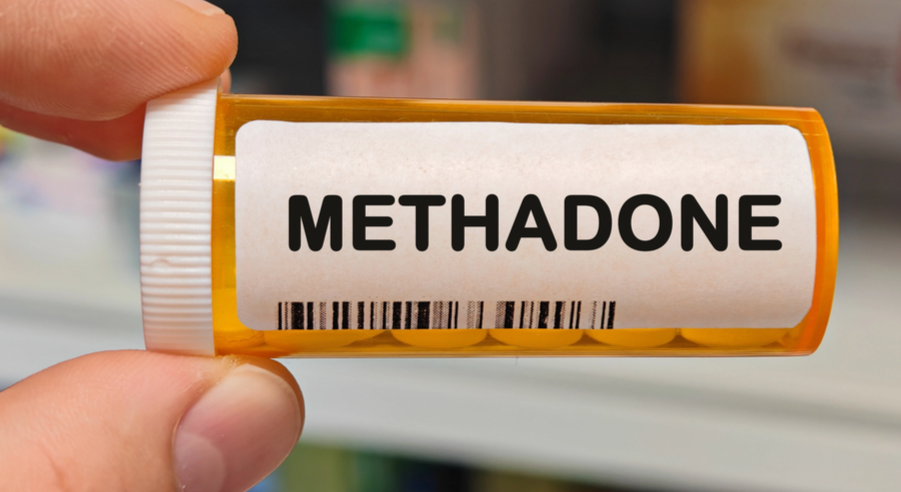
Methadone is a long-acting opioid medication taken by mouth once daily. At the right dose, it occupies opioid receptors in the brain steadily for 24 hours or more, preventing withdrawal, quieting cravings, and blunting the effects of heroin, fentanyl, and most prescription opioids. "Maintenance" means staying on a stable, individualized dose long enough to support recovery, months to years, not days.
In the United States, methadone for opioid use disorder (OUD) is dispensed through certified opioid treatment programs (OTPs), typically with observed dosing at first. Daily clinic visits are required early on; take-home doses are earned as a patient demonstrates stability and safety over time. The goal throughout is to prevent withdrawal and cravings without producing intoxication.
Why Relapse Happens in Opioid Dependence
Relapse is not a moral failure, it is a medical reality driven by biology. After repeated opioid exposure, the brain adapts. When drug levels fall, powerful signals drive a person to seek opioids again to avoid the crushing pain and sickness of withdrawal. Triggers and cues, certain people, places, or stressors, can reactivate learned patterns even after a period of abstinence. The brain's natural reward system is also suppressed during early recovery, making everyday life feel flat and unrewarding. Unstable housing, untreated depression or anxiety, and limited social support compound all of these pressures.
Methadone maintenance provides a physiological foundation so the brain and body can begin to heal while a person builds the skills, routines, and supports that sustain recovery.
How Methadone Prevents Relapse
Methadone works because it is both long-acting and a full opioid agonist. That combination delivers steady receptor coverage throughout the day, preventing the high-low swings that fuel urgent drug-seeking. When receptors are occupied, the brain's alarm signals quiet down and cravings become manageable rather than overwhelming. If a person uses heroin or fentanyl while on an adequate methadone dose, the euphoric effect is often blunted, though this blockade is not absolute in all cases.
The downstream effects matter as much as the pharmacology. With sleep, appetite, and mood more stable, people can return to work, school, or parenting and engage in therapy more effectively.
What to Expect in Treatment
Intake and Assessment
The first visit includes a medical and psychiatric evaluation, a review of substance use history, and screening labs. Clinicians assess for co-occurring depression, anxiety, PTSD, and other conditions that also warrant treatment. A physical exam is conducted, and sometimes an ECG is ordered to check heart rhythm (QT interval). Current medications are reviewed for interactions, and the clinician discusses goals, past treatment attempts, and available support systems.
Induction and Early Stabilization (First 1-4 Weeks)
The starting dose is intentionally conservative to avoid oversedation, then adjusted gradually based on symptoms. Daily visits for observed dosing are required early on. It may take a couple of weeks to reach the therapeutic window, the dose at which a patient feels normal throughout the day without withdrawal or cravings. Sleepiness during the first week is common and improves as the dose is fine-tuned. Alcohol and benzodiazepines must be avoided during this period; mixing sedatives increases overdose risk.
Maintenance and Take-Home Doses
Once stable, the program typically expands take-home doses gradually based on consistent attendance, medication safety, and absence of dangerous drug interactions or impairment. Many patients thrive in the 60-120 mg/day range, but there is no one-size-fits-all dose, only the OTP clinician should set it. Counseling, whether individual or group, is strongly encouraged because adding therapy improves outcomes. Urine toxicology is part of standard care and guides clinical decisions rather than serving as punishment.
Dosing, Safety, and Monitoring
Tolerance can shift with illness, new medications, or missed doses, so ongoing monitoring is essential. The sections below cover the most clinically relevant safety information.
Common side effects and management options:
- Constipation: increase fiber and fluids; stool softeners or laxatives may be recommended.
- Sweating: breathable clothing and hydration help; a dose adjustment sometimes resolves it.
- Drowsiness: report daytime sedation to the clinic, which may adjust dosing.
- Sexual side effects or low libido: discuss openly with the prescriber; options are available.
- Dry mouth and dental issues: good oral hygiene and regular dental care are important.
Methadone can prolong the QT interval on ECG in some patients. Risk is higher with certain other medications, electrolyte abnormalities, or a personal or family history of arrhythmia. If risk factors are present, the clinician may obtain an ECG before and during treatment. Several drug classes require particular attention: other sedatives (benzodiazepines, alcohol, sleep medications, gabapentinoids) increase overdose risk; certain antibiotics, antifungals, antipsychotics, and antidepressants can raise methadone levels or affect heart rhythm; and enzyme inducers such as some seizure medicines or rifampin can lower methadone levels and trigger withdrawal. Any new prescription or over-the-counter medication should be disclosed to the OTP clinician.
Safety practices that reduce risk:
- Never share or sell take-home doses.
- Store take-home doses in a locked box, away from children and pets.
- Avoid driving if severely drowsy; call the clinic.
- Keep naloxone on hand and ensure that family or friends know how to use it.
Who Is a Good Candidate for Methadone Maintenance
Methadone is often the best fit for people with severe OUD, particularly those with daily fentanyl or heroin use, those who have had difficulty stabilizing on buprenorphine due to persistent cravings or ongoing use, and those who need strong craving control with reliable attenuation of illicit opioid effects. It is also a well-established, safe option during pregnancy.
Certain situations require extra caution but are not automatic exclusions: significant heart disease or prolonged QT interval, heavy alcohol use or benzodiazepine dependence, severe untreated sleep apnea, and unstable housing or transportation challenges. These concerns can be managed with a careful plan developed collaboratively with the treatment team.
Methadone vs. Buprenorphine vs. Naltrexone
All three medications reduce relapse risk, but they differ in ways that matter for individual patients:
- Methadone: full opioid agonist dispensed through OTPs; excellent for severe OUD and for those who did not stabilize on buprenorphine; requires daily clinic contact at first, with take-homes as stability improves.
- Buprenorphine (Suboxone, Subutex): partial agonist typically prescribed in office settings; lower overdose risk than full agonists; some people with heavy fentanyl exposure have ongoing cravings or difficulty with initiation.
- Extended-release naltrexone: monthly injection that blocks opioid effects; requires full detox before starting and can be challenging to initiate; best suited for highly motivated patients who can remain opioid-free until the first dose.
Choosing the right medication is a clinical decision based on history, preferences, medical conditions, and life logistics.
Common Myths and the Facts
Myth: "It's just replacing one drug with another." Addiction is defined by loss of control and harm, not by the presence of a medication. A methadone dose prescribed at the right level does not produce intoxication, it restores normal function and reduces harm.
Myth: "You aren't really in recovery if you're on methadone." Recovery means improving health, purpose, and connection. Medications for OUD are evidence-based recovery tools, no different in principle than insulin for diabetes.
Myth: "You'll be forced to stay on methadone forever." Duration is individualized. Some people taper after years of stability; others choose long-term maintenance to protect against relapse. The patient remains in control of their goals.
Myth: "Methadone ruins your teeth." Methadone can cause dry mouth, which raises cavity risk, but good dental care and hydration prevent problems. Illicit opioid use, soda, and poor nutrition are larger contributing factors.
Special Situations
Pregnancy
Methadone is a well-studied, recommended treatment for OUD in pregnancy. It stabilizes the parent's health and reduces relapse and overdose risk, both of which pose serious risks to parent and baby. Doses often need adjustment as metabolism changes during pregnancy. Newborns may experience neonatal opioid withdrawal syndrome, which is treatable and does not imply wrongdoing. Prenatal care, nutrition, and a coordinated delivery plan are essential components of treatment.
Chronic Pain
Methadone provides continuous receptor coverage and can help patients with both OUD and chronic pain function more consistently. However, its use for pain requires specific clinical expertise. Patients should communicate openly about pain levels, and non-opioid strategies, physical therapy and behavioral pain management, should be integrated into the overall plan.
Co-occurring Mental Health Conditions
Depression, anxiety, PTSD, ADHD, and bipolar disorder are common in people with OUD. Methadone stabilizes the opioid system so that psychiatric care can be more effective. Coordinated treatment combining medications and therapy improves outcomes for both conditions.
Practical Tips for Success
- Take the dose at the same time daily to keep levels steady.
- Avoid alcohol, benzodiazepines, and other sedatives unless the prescriber has coordinated them, mixing can be dangerous.
- Carry naloxone and teach loved ones how to use it.
- Build a small support team: a trusted friend or family member, a counselor, and the prescriber.
- Use counseling to identify triggers, practice refusal skills, and plan for high-risk situations.
- Track concrete improvements, better sleep, time with family, work attendance, as evidence that the brain and body are healing.
- Keep communication open with the clinic, especially about side effects, missed doses, or slips.
Planning for Travel, Missed Doses, or Changes
Life happens, and planning prevents small disruptions from becoming larger setbacks. For travel, work with the OTP in advance to arrange guest dosing at a clinic near the destination, and bring identification and dosing information. If a dose is missed, do not double up, tolerance changes quickly, and the clinic will guide safe re-titration. Before any surgery or procedure, every clinician involved should be told that the patient takes methadone for OUD, since pain can be managed safely with a coordinated plan. Transitioning to buprenorphine or naltrexone is possible but must be carefully managed and should never be attempted without clinical supervision.
How Long Maintenance Should Last
There is no fixed timeline. The data are clear: staying on medication substantially lowers the risk of overdose and relapse. Many people remain on methadone for years because it supports the life they want. Others gradually taper after a sustained period of stability, strong psychosocial supports, and confidence in coping skills.
If tapering is the goal, the approach should involve a slow, patient-guided reduction, often 5-10% every few weeks or slower, with increased counseling and support during the process. Patients should be prepared to pause or reverse course if cravings or instability return.
Addressing Stigma with Loved Ones
Stigma keeps too many people from life-saving care. A brief, honest explanation can help loved ones understand and offer support. Framing that has worked for others: "Methadone is a prescribed, long-acting medication that stops withdrawal and cravings so I can stay healthy and safe." Or: "I'm not 'high', my dose is designed to help me feel normal and functional." Or: "Stability now protects me from overdose and gives me the space to rebuild."
Inviting questions and sharing how daily routine, mood, and goals are improving can help build the understanding that makes recovery easier.
Costs and Access
Coverage varies, but many OTPs accept Medicaid and commercial insurance, and some offer sliding-scale fees. Transportation and scheduling can be challenges early on when daily dosing is required. If those are barriers, the clinic should be told, programs often help problem-solve. For those searching for programs, SAMHSA's treatment locator is a practical starting point: https://findtreatment.gov.
What Recovery Looks Like over Time
The first month is about getting physically stable, sleep normalizes, energy returns, and the constant pressure of cravings eases. Months two through six often bring tangible life changes: fewer emergencies, more predictability, and space for therapy. Beyond six months, many people re-engage with work or school, repair relationships, and begin longer-term health goals like exercise, nutrition, and preventive care.
Progress is rarely a straight line, and lapses can happen. The key difference on methadone is that a lapse is far less likely to become a spiral into overdose or prolonged relapse. With quick, nonjudgmental support, recovery can continue.
How Methadone Fits into Comprehensive Recovery
Medication is a cornerstone, not the whole house. Recovery is strongest when methadone is paired with evidence-based therapies such as cognitive behavioral therapy (CBT), contingency management, and trauma-informed therapy. Peer recovery support, groups, sponsors, or recovery coaches with lived experience, adds another layer. Practical help with housing, employment, and legal issues reduces the environmental pressures that raise relapse risk. Physical health care, including hepatitis C treatment, HIV prevention or treatment, vaccines, and routine primary care, rounds out a coordinated approach.
Getting Started Safely
- Schedule an evaluation with a certified OTP to confirm the diagnosis of OUD and review goals and medical history.
- Begin induction with a conservative dose, reporting daily on withdrawal, cravings, and sedation.
- Stabilize the dose while avoiding alcohol and other sedatives; expect frequent check-ins.
- Engage in counseling to build coping skills and prepare for triggers.
- Earn take-home doses by demonstrating safety and stability over time.
- Reassess goals periodically: ongoing maintenance, a trial taper, or transition to another medication if desired.
If you are in crisis, severe sedation, chest pain, trouble breathing, or signs of overdose, call 911 immediately.
Taking the Next Step
Methadone maintenance is not a last resort. For many people, it is the first solid foundation after years of instability. Healing Sky can connect you with a provider who offers evidence-based care for OUD, coordinates with local OTPs for a safe and smooth start, and addresses co-occurring conditions such as depression, anxiety, PTSD, or ADHD alongside addiction treatment. Reach out to get matched with a provider.