Written by Healing Sky Editorial Team. Clinically reviewed by Raul Rodriguez M.D.
Stress shows up in the body before it shows up in thought: a jaw that tightens during a phone call, shoulders that creep toward the ears by midmorning, a belly that stays braced long after the difficult conversation ends. The MBSR body scan is a structured attention practice that trains the nervous system to notice these signals earlier and respond with more choice. It requires no special equipment, beliefs, or prior experience, and ten consistent minutes most days is enough to begin.
What the Body Scan Is
The body scan is a guided attention exercise that travels through the body, usually from the feet to the head or the reverse, noticing sensations moment by moment with curious, nonjudgmental awareness. The goal is not to fix the body or force relaxation. Instead, the practice builds the skill of noticing: temperature, pressure, pulsing, tightness, ease, or even the absence of sensation. Each region gets a breath or two of attention before the focus moves on.
Think of it as training the brain's interoception, the capacity to sense internal signals. As interoception becomes clearer and more stable, it becomes easier to catch stress earlier, release unnecessary tension, and respond rather than react.
How Body Scanning Reduces Stress
Stress lives in the body as much as it does in thoughts. Tight shoulders, shallow breathing, a clenched jaw, and a roiling stomach are the body's stress signatures. The body scan gives the nervous system a structured way to shift out of a fight-or-flight state into a steadier, more regulated mode.
At a brain level, slow, receptive attention to sensation engages regions linked to self-regulation and present-moment awareness. On a body level, gentle awareness often leads to unbracing: muscles soften, breath deepens, and heartbeat steadies. Over time, stressful triggers become easier to recognize early, and recovery after hard moments tends to be more complete. Regular practitioners often report fewer tension headaches, less jaw clenching, and improved sleep onset, alongside a greater ability to pause before reacting.
What "Success" Really Means
A common misunderstanding is that the body scan must feel blissful to be working. Success is simply noticing when attention wanders and returning it to the body, kindly, again and again. Some sessions feel calm; others feel busy. Both are normal.
Aches, restlessness, or emotions may surface when the pace slows. Meeting these experiences with patience, naming them quietly and moving on, builds resilience. If sensations feel intense, the focus can widen to include more of the body at once, or shift to a neutral area like the hands. That flexibility is part of the practice, not a workaround.
Step-by-Step: A 10-Minute Beginner Body Scan
If you are new to mindfulness, start short and stay consistent. Ten minutes most days beats one long session once in a while.
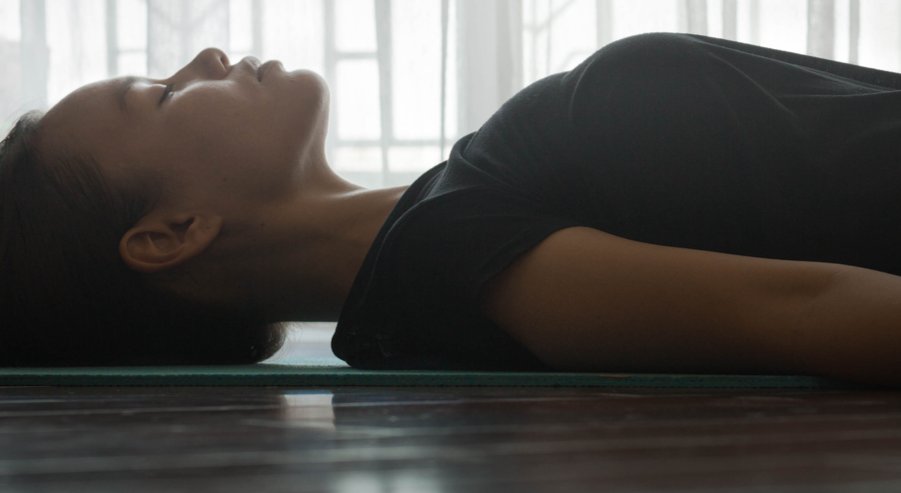
Setup: Choose a quiet space and silence your phone. Lie down on a mat or bed, or sit upright with support. Let hands rest comfortably and uncross the legs if seated. Eyes can be closed or softly open.
Practice (about one minute per region):
- Breath: Feel the natural rise and fall at the belly or chest for three slow breaths.
- Feet: Notice the heels' contact, the soles, toes, temperature, tingling, or no sensation.
- Lower legs: Calves, shins, the feeling of skin against fabric or air.
- Knees: Front, back, sides, any pulsing, warmth, or neutrality.
- Thighs and hips: Weight, pressure, or subtle movement with breathing.
- Abdomen and low back: Let the belly be soft; notice the back's contact points.
- Chest and upper back: Heartbeat, breath sway, shoulder blades.
- Hands and arms: Palms, fingers, forearms, elbows, upper arms.
- Neck, throat, jaw: Soften the tongue and unclench the jaw if helpful.
- Face and scalp: Eyes, cheeks, forehead, crown, micro-sensations.
- Whole body: Feel the entire body as one field for several breaths.
- Close: Take a final, deeper breath. Open the eyes if closed. Note how you feel, without judgment.
When attention drifts, that is expected. Each time wandering is noticed, acknowledge it ("thinking," "planning," "remembering") and guide attention back to sensation.
A 30-Minute Classic MBSR Body Scan
When ready to deepen the practice, extend to 30 minutes. Move more slowly, staying with each area for several breaths before relocating attention. Use the breath like a gentle spotlight brightening each region.
A useful pacing: spend 2 to 3 minutes on arrival and breath, 20 to 22 minutes moving from feet to head (or head to feet) one small area at a time, 3 to 5 minutes in whole-body awareness, and a final minute setting an intention for the rest of the day.
If sleepiness is a problem, try practicing seated or with eyes slightly open. If the session feels keyed up, lying down with a light blanket and softening the belly on each exhale often helps.
Practical Tips for Better Results
Small adjustments can make the difference between frustration and steady progress. Keep sessions short at first (5 to 10 minutes), then lengthen gradually. Practicing at the same time daily builds a habit faster than varying the schedule. Pairing the scan with an anchor routine, such as after brushing teeth or before lunch, reduces the friction of starting. A simple timer removes the urge to clock-watch.
If a region produces no sensation, placing a light hand there can provide feedback. Let the exhale be a cue to soften rather than a command to relax. Ending with one sentence naming any shift, "My shoulders are looser," or "I feel the same, and that's okay," keeps the practice grounded and honest.
Common Obstacles and How to Work with Them
Restlessness is common early on. Shortening the practice, alternating sitting and lying down, or doing a few slow shoulder rolls before beginning can all help. Sleepiness responds well to practicing earlier in the day, opening the eyes slightly, or sitting upright on a firm chair. Physical discomfort can usually be addressed with pillows, bent knees when lying down, or gentle movement between regions.
When emotional waves arise, widening to whole-body awareness and lengthening exhales tends to stabilize the experience. If tears come, letting them pass is fine. If the feeling becomes overwhelming, pause and ground through the senses: look around the room, feel the feet on the floor, and name five objects in view. Perfectionism is its own obstacle; replacing "I must relax" with "I'm noticing what is here" shifts the practice back to its actual purpose.
Safety Notes and When to Modify
Most people can practice body scanning without difficulty, but some situations call for adjustments or clinician input before starting.
Seek guided support or clinician input if you have:
- Severe untreated trauma symptoms (e.g., frequent flashbacks or dissociation)
- Current mania or psychosis
- Active substance intoxication or withdrawal
- Uncontrolled panic attacks triggered by internal focus
For trauma-sensitive practice, keeping the eyes open and staying oriented to the room helps maintain a sense of safety. Anchoring attention to the hands, feet, or an external object rather than deep internal focus is another option. Body regions that feel unsafe can be skipped entirely; the practitioner remains in charge. Starting with 2 to 5 minutes and building up slowly is advisable.
Two cautions apply to everyone: do not practice while driving or operating machinery, and if new or worsening symptoms appear, stop and consult a clinician.
How the Body Scan Differs from Other Techniques
Progressive Muscle Relaxation (PMR) involves tensing and releasing muscles in sequence; the body scan does not manipulate, it simply notices. Many people benefit from learning both. Breathwork changes physiology directly through pacing, while the body scan changes the relationship to sensation, often leading to spontaneous breath easing as a byproduct. Guided imagery works with the mind's pictures; the body scan prioritizes raw sensation, which tends to reduce overthinking. Yoga and stretching are active; the body scan is stillness with awareness, which builds a different, complementary skill.
Using the Body Scan for Sleep, Anxiety, and Pain
For sleep, a 10 to 20 minute scan in bed works well. Falling asleep mid-practice is fine. If the mind revs up in bed, practicing earlier in the evening to downshift before lights out is more effective.
For anxiety, keeping the eyes open and including the surroundings in awareness helps. Emphasizing the feet, seat, and hands provides grounding. Short, frequent scans tend to be more effective than one long session.
For chronic pain, approach the painful area with kindness but avoid getting stuck there. Spending equal or more time noticing neutral or pleasant zones, such as the hands, face, or areas of warmth, reduces the pain's "spotlight effect" by widening the field of attention.
For burnout, practicing at transitions, before opening email, after a meeting, before leaving work, helps reset the nervous system. Even two minutes at these moments is useful.
What You Might Notice over Time
The body scan functions like strength training for attention and the nervous system. With consistent practice, many people notice shifts within a few weeks: a jaw beginning to clench is caught earlier, breath turning shallow registers before it becomes a problem, shoulders are noticed inching up before they lock. The ability to pause before reacting also tends to improve, and that pause, repeated across many moments, accumulates into changes in mood, relationships, and health.
A Brief Neurobiology Tour
Mindfulness does not erase stressors; it helps the system handle them. Directing attention through the body can quiet alarm circuits and engage networks that track internal states and regulate emotion. The practice is associated with increased parasympathetic activity, the "rest and digest" response, reflected in deeper breaths, a steadier pulse, and a greater sense of safety. Over months, this can reshape habits of reactivity by reinforcing a different sequence: notice, allow, choose.
Building a Consistent Routine
Consistency turns a technique into a trait. A morning "arrival" scan of two minutes while sitting at the edge of the bed is a low-barrier starting point. A five-minute scan before lunch or between meetings works well at midday. A ten-minute scan at the end of the workday marks the transition out of work mode. An optional 10 to 20 minute scan in bed serves those working on sleep.
Pairing the scan with an everyday cue, coffee, teeth brushing, logging off, reduces the decision cost of starting. Missing a day is not a problem; simply beginning again the next day is the practice.
Micro-Practices for Busy Moments
A mat is not required to benefit. While standing in line, feeling the pressure on the heels and balls of the feet for five breaths is a complete micro-practice. At a desk, noticing the hands on the keyboard, forearms on the chair, and breath in the chest takes about one minute. During a difficult conversation, placing 10% of attention on the belly's movement while listening shifts the nervous system without interrupting the exchange.
Tracking Progress Without Over-Policing
Data can motivate, but mindfulness works best in a spirit of kindness. A light weekly check-in, noting practice frequency, a 0 to 10 stress rating at wake-up and bedtime, areas of body tension that improved or need attention, and one helpful moment or barrier from the week, is enough to see trends without turning the practice into a performance. A dip in the numbers is information, not failure.
For ADHD, Teens, and Beginners Who Prefer Movement
Some nervous systems struggle with stillness at first. A "moving scan" works well for these practitioners: walk slowly and notice the soles of the feet, ankles, knees, hips, and then the upper body in sequence. Keeping sessions to 2 to 5 minutes and repeating them multiple times daily is more sustainable than one longer sit. Tactile anchors, such as holding a smooth stone or resting a hand on the belly, help maintain focus. Keeping the eyes open with a soft gaze prevents zoning out.
Frequently Asked Questions
Lying down is not required. Sitting, lying, or standing all work; comfort supports attention. If a region produces no sensation, noting "numb" or "neutral" is valid data, and subtle sensations often emerge with time. When emotions surface, allowing them with gentle breathing is usually fine; if they feel overwhelming, opening the eyes, looking around the room, feeling the feet, and shortening the session is the right move, and working with a clinician is worth considering. Many people feel small shifts within days and steadier benefits within a few weeks, with consistency mattering more than session length. Guided audio can help at the start, but a simple timer is often all that is needed. Aiming for most days, roughly five days per week, is a practical target.
Bringing Mindfulness into Relationships and Work
Body awareness changes how a person shows up in demanding situations. A 60-second scan before a hard conversation can soften tone and widen perspective. After a difficult email, noticing the shoulders and taking three slow breaths reduces the chance of a reactive reply. People who scan regularly often report more patience and clearer boundaries, not by clamping down but by feeling grounded in their own bodies.
When the Body Scan Is Not the Right Tool
There are moments when internal focus is not advisable. If scanning the body reliably triggers panic, flashbacks, or dissociation, switching to external mindfulness is safer: listening to sounds, naming colors in the room, or placing both hands on a warm mug and tracking the sensation there. A clinician can help reintroduce body awareness gradually and safely. Mindfulness is adaptable and should never feel like a fight.
Putting It All Together
The MBSR body scan trains attention to move through sensation with curiosity rather than judgment, which over time makes stress easier to catch, tension easier to release, and each day easier to meet with steadiness. Starting small and practicing often matters more than session length or technique precision.
Healing Sky can connect you with a provider who offers guidance tailoring body scanning to anxiety, insomnia, trauma recovery, or chronic pain. A few minutes a day is enough to begin.