Written by Healing Sky Editorial Team. Clinically reviewed by Cosette Pulido M.D. on April 29, 2026
Noticing changes in thinking, memory, or behavior in a loved one with Parkinson's can be unsettling. This article explains what Parkinson's disease dementia is, how it shows up in daily life, and what families and clinicians can do to support safety and quality of life.
What Parkinson's Disease Dementia Is
Parkinson's disease dementia (PDD) occurs when the motor symptoms of Parkinson's disease, slowness, stiffness, tremor, and balance problems, are followed later by changes in cognition that interfere with daily functioning. It is distinct from the mild thinking changes many people with Parkinson's notice early on. PDD means cognitive symptoms have progressed enough to impair independence at work, at home, or in social life, and the diagnosis rests on a history of established Parkinson's with dementia appearing later in the course.
Clinicians often use the "one-year rule" to distinguish PDD from dementia with Lewy bodies (DLB): if dementia begins before, or within a year of, motor symptoms, DLB is more likely; if dementia develops after a year or more of established Parkinson's, PDD is the more likely diagnosis.
How PDD Develops in the Brain
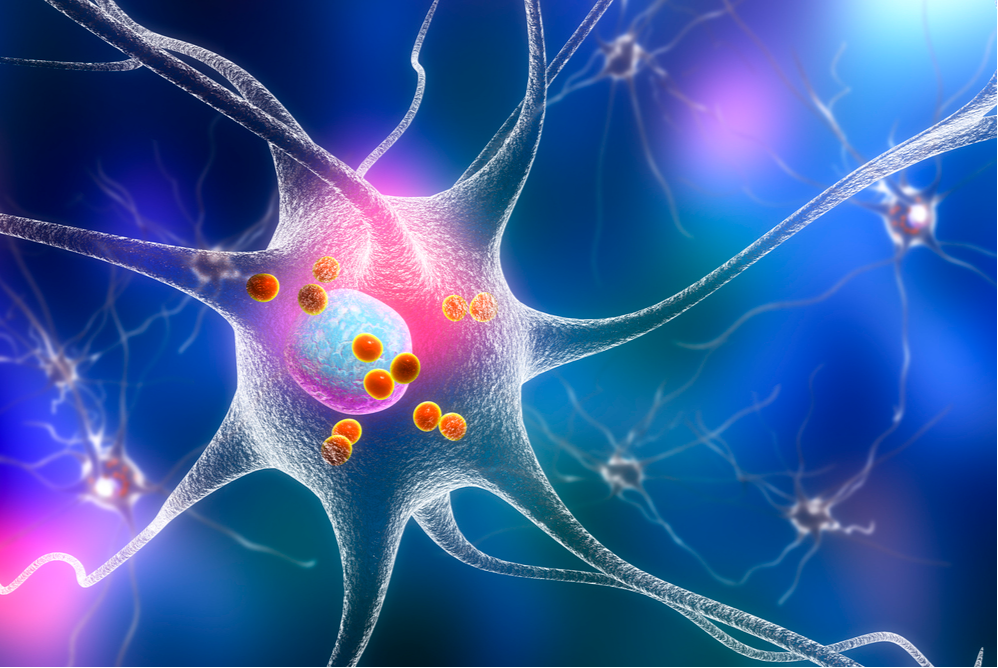
The biology of PDD involves changes in multiple brain systems, not just dopamine. Misfolded alpha-synuclein protein forms "Lewy bodies" that disrupt circuits involved in movement, attention, and perception. Dopamine loss drives motor symptoms, while acetylcholine loss is especially linked to attention and memory problems. Some people also show overlapping Alzheimer-type changes, amyloid and tau accumulation, which can worsen memory and speed of decline. Because sleep, mood, and autonomic centers are also affected, symptoms extend well beyond memory.
Who Is Most at Risk
Not everyone with Parkinson's will develop dementia, but certain patterns increase risk. Older age at diagnosis, longer duration and greater severity of motor symptoms, and early postural instability or gait problems are among the strongest predictors. Recurrent visual hallucinations, REM sleep behavior disorder, and pronounced fluctuations in attention, periods of clarity alternating with "foggy" periods during the day, also raise concern. Vascular risk factors such as untreated high blood pressure, sensory loss (hearing or vision), and use of anticholinergic medications add further risk. Many of these factors are modifiable, and proactive care can slow functional decline.
Core Symptoms You May Notice
PDD rarely looks like a sudden memory collapse. It typically emerges gradually, and the earliest changes often involve attention, mental flexibility, and visuospatial skills rather than purely forgetting names and events.
Attention and processing speed are usually affected first. People may have trouble keeping track of a conversation or a TV plot, experience slowed thinking especially when multitasking, or lose the thread when distractions occur. Executive function is also commonly impaired: planning steps for tasks like paying bills or cooking becomes difficult, and people may get "stuck" on one idea or struggle to switch between routines.
Visuospatial problems show up as misjudging distances, difficulty navigating familiar places, or trouble interpreting complex visual scenes. Memory in PDD differs from classic Alzheimer's, people often recall details when given cues, and recognition tends to be better than free recall. Language changes are typically subtle: word-finding pauses and soft speech (hypophonia) rather than loss of vocabulary.
Neuropsychiatric symptoms are common and often distressing for families. Visual hallucinations, seeing people, animals, or shapes that are not there, often at dusk or in dim light, are characteristic. Delusions tend to be simple and fixed, such as believing someone is in the house. Apathy, anxiety, and depression also occur, and many people experience fluctuations: hours of clarity followed by periods of confusion.
Sleep is frequently disrupted. REM sleep behavior disorder, acting out dreams with talking or movement, is a hallmark feature, along with excessive daytime sleepiness, fragmented nighttime sleep, and vivid nightmares. Autonomic symptoms such as constipation, urinary urgency, and lightheadedness when standing (orthostatic hypotension) are also part of the picture, as are reduced sense of smell and visual contrast sensitivity. On the motor side, balance and gait tend to worsen when attention is taxed, and freezing of gait can be triggered by dual-tasking or cluttered spaces.
How PDD Differs from Alzheimer's Disease and Lewy Body Dementia
PDD, Alzheimer's disease, and dementia with Lewy bodies overlap in some ways but differ in patterns that matter for treatment and prognosis. PDD typically begins with slowed thinking, attention deficits, and visuospatial problems, whereas Alzheimer's begins with memory encoding and word-finding difficulties. People with PDD often remember better when cued; those with Alzheimer's have trouble even with cues. Hallucinations and fluctuations in attention are more common in PDD than in Alzheimer's.
Compared with DLB, the key distinction is timing: in DLB, dementia appears before or within a year of motor symptoms; in PDD, dementia emerges later. Visual hallucinations, REM sleep behavior disorder, and sensitivity to antipsychotic medications appear in both conditions but often earlier in DLB. The distinction can blur over time, but it still informs prognosis and planning.
Early Warning Signs Families Shouldn't Ignore
Catching PDD early allows time to address safety and support independence. The following signs warrant a thorough evaluation, particularly if several appear over weeks to months:
- New difficulty managing finances, medications, or appointments
- Getting lost on familiar routes or misjudging curbs and doorways
- Recurrent visual misperceptions ("I thought that coat on the chair was a person")
- Noticeable daytime drowsiness or dramatic shifts in alertness
- Increased falls, especially in distracting or crowded settings
- Apathy that is out of character and not explained by depression
- Care partner noticing that conversations feel harder to follow
When to Seek Urgent Care
Certain situations need prompt medical attention:
- New confusion over hours to days, especially with fever or dehydration (possible delirium)
- Sudden inability to walk or stand safely
- Severe agitation, aggression, or risky behavior
- Hallucinations that command the person to act or that cause fear
- Fainting spells or chest pain with standing
- Head injury from a fall, even if the person "seems okay" at first
Delirium, from infection, medication interactions, or dehydration, can look like a dramatic worsening of PDD but is reversible if treated quickly.
How Clinicians Diagnose PDD
Diagnosis is clinical, and the most important data often come from a spouse's or caregiver's observations of day-to-day life. The history and informant interview establish the onset and timeline of motor and cognitive symptoms, daytime fluctuations, hallucinations, sleep behaviors, and the full medication list including over-the-counter and herbal products.
Cognitive screening tools like the MoCA (Montreal Cognitive Assessment) can flag attention, visuospatial, and executive deficits common in PDD, and formal neuropsychological testing helps separate depression-related slowing from true dementia. The neurologic exam assesses motor subtype, evidence of neuropathy, vision and hearing loss, and orthostatic hypotension. Laboratory work, basic metabolic panel, B12, folate, thyroid studies, and urinalysis when delirium is suspected, rules out reversible causes. Brain imaging with MRI or CT is used when the presentation is atypical, to evaluate for strokes, normal pressure hydrocephalus, or tumor.
Medication review is a critical step. Anticholinergics, benzodiazepines, sedative pain medications, and dopamine agonists can all cause or worsen cognitive symptoms, and simplifying the Parkinson's medication regimen can sometimes reduce hallucinations and confusion.
Treatment: Building a Layered Care Plan
No single medication resolves PDD. The best outcomes come from combining non-drug strategies, optimized Parkinson's care, and targeted medications for cognition, mood, psychosis, and sleep.
Foundational Non-Pharmacologic Strategies
Consistent routines form the backbone of daily management. Regular sleep and wake times, meals, hydration, and medication schedules reduce cognitive load, as do visual calendars, checklists, and pill organizers. Environmental adjustments, high-contrast lighting, large-font labels, decluttered pathways, grab bars, non-slip flooring, and a bedside commode, lower fall risk. Updating eyeglass prescriptions and treating cataracts or glaucoma matters more than it might seem; even modest hearing loss can worsen cognition, and hearing aids should be considered when indicated.
Exercise is one of the most consistently supported interventions. Regular aerobic activity (as tolerated), balance training, physical therapy, occupational therapy for task simplification and home safety, and speech therapy for voice projection and swallowing all contribute to function. Cognitive engagement through short, structured, enjoyable activities, puzzles, music, art, gentle group classes, helps, as does breaking complex tasks into single-step instructions with rest breaks. Caregiver training in communication techniques (speaking slowly, one idea at a time) and access to respite options are equally important.
Medications That May Help Cognition
Rivastigmine (available as a capsule or patch) is the primary cholinesterase inhibitor with evidence for PDD; it can improve attention, reduce hallucinations, and help behavior in some patients. Donepezil or galantamine may be considered if rivastigmine is not tolerated. Memantine, an NMDA receptor modulator, may offer modest benefit for attention and behavior in select cases, though results vary. Common side effects across these medications include nausea, diarrhea, vivid dreams, and a slower heart rate; gradual titration and monitoring reduce these problems.
Addressing Hallucinations and Delusions Safely
Psychosis in Parkinson's responds best to a stepwise approach. The first step is reducing triggers: treating infections, dehydration, constipation, pain, and sleep deprivation, and removing or reducing offending medications, anticholinergics, amantadine, dopamine agonists, before lowering levodopa when possible. Optimizing vision and preventing sundowning with predictable routines also helps.
For persistent psychosis, pimavanserin is FDA-approved for hallucinations and delusions related to Parkinson's and generally does not worsen motor symptoms. Quetiapine is commonly used off-label when sedation at bedtime is acceptable. Clozapine can be highly effective with careful blood count monitoring and is reserved for refractory cases. Typical antipsychotics and high-potency agents such as haloperidol should be avoided because of severe sensitivity and motor worsening. Medication decisions are individualized, with the aim of easing distress without sacrificing mobility or alertness.
Treating Mood, Anxiety, and Apathy
Emotional health strongly influences cognition and function. Psychotherapy adapted to cognitive level, behavioral activation, supportive therapy, and structured pleasant events with caregiver-assisted goal setting are first-line approaches. SSRIs or SNRIs can help depression and anxiety and should be started at low doses with slow titration. Stimulants are rarely used for apathy and may worsen anxiety or sleep; drug-drug interactions and blood pressure changes require monitoring.
Sleep and REM Sleep Behavior Disorder
Better sleep improves daytime clarity and lowers fall risk. Regular bed and wake times, limited late-day caffeine, and bright-light exposure in the morning support sleep hygiene. The bedroom should be made safe: sharp edges removed, nightstands padded, and a low bed considered. Melatonin at night can reduce dream enactment and improve sleep onset. Low-dose clonazepam may be effective for REM sleep behavior disorder in selected patients but can increase falls and confusion, so careful monitoring is essential. Sleep apnea should be evaluated and treated when suspected.
Managing Orthostatic Hypotension and Autonomic Symptoms
Rising slowly, elevating the head of the bed, wearing compression stockings, and maintaining adequate salt and fluid intake (with clinician guidance) are the first steps for orthostatic hypotension. When these are insufficient, midodrine or fludrocortisone can help maintain blood pressure on standing. Constipation should be addressed proactively with fiber, fluids, and osmotic laxatives as advised.
Parkinson's Medication Adjustments
Levodopa should be prioritized as the backbone for motor control. Anticholinergics, amantadine, MAO-B inhibitors, and dopamine agonists should be minimized or discontinued if they worsen hallucinations or confusion. Any changes should be coordinated with neurology to preserve mobility and independence.
Practical Daily Strategies for Families
Communication works best when attention is secured first: use the person's name, maintain eye contact, and speak in short sentences with one step at a time, waiting patiently for responses. Validating feelings before problem-solving reduces frustration on both sides.
For medications and meals, pre-sorted weekly pill organizers and phone or smart-speaker reminders reduce errors. If "off" periods worsen after high-protein meals, balancing protein intake with levodopa timing can help. At home, clearing clutter, coiling cords, removing throw rugs, and adding motion-activated night lights from bed to bathroom reduce fall risk. Placing commonly used items at waist height avoids unnecessary bending.
For mobility, gait aids recommended by physical therapy should be encouraged, and dual-tasking while walking, carrying laundry or talking on the phone, should be avoided. Keeping favorite hobbies but scaling them to current energy and attention (shorter gardening sessions, simpler recipes) preserves engagement and dignity. Involving the person in roles that feel purposeful, folding towels, sorting mail, guiding a grandchild through a simple puzzle, matters. Large-button phones, voice assistants for reminders, GPS tracking if wandering risk is present, and automatic bill pay round out practical technology supports.
Legal and Safety Planning
Addressing legal and safety topics early reduces crises and supports autonomy. If navigation, judgment, or reaction time is in question, a formal driving assessment should be considered, and alternate transportation should be arranged before driving becomes unsafe. A trusted proxy should be identified to help with medication refills and renewals. Durable power of attorney and updated wills minimize uncertainty. Treatment preferences, healthcare proxies, and resuscitation wishes should be discussed and documented while communication is strong. Keeping a medication list and medical summary accessible, and teaching family members to recognize delirium, dehydration, and orthostatic symptoms, prepares everyone for emergencies.
Prognosis and What to Expect
PDD is a chronic, progressive condition, but the pace varies widely. Some people experience mild changes for years, especially when mood, sleep, and sensory issues are addressed early. Others progress more quickly due to age, coexisting brain changes, or frequent delirium episodes. Older age, recurrent falls, early hallucinations, severe postural instability, multiple medical illnesses, poor sleep, and repeated hospitalizations are associated with faster decline. A steady, collaborative plan, reducing preventable stressors on the brain, treating psychosis and mood, keeping the body moving, and supporting the caregiver, consistently produces the best outcomes.
How Healing Sky Can Help
Healing Sky can connect you with a provider who works alongside your neurologist and primary care team to build a plan that fits your goals and values, addressing safety, comfort, and daily functioning while grounding every recommendation in current evidence. If you are noticing attention lapses, visual misperceptions, or changes in daily functioning in a loved one with Parkinson's, reaching out early gives the most time to align the medical, behavioral, and environmental pieces and preserve independence.