Written by Healing Sky Editorial Team. Clinically reviewed by Jamie Price
If you've ever left a dance class smiling and sweaty, you've already felt some of its effects. Dance cardio blends aerobic exercise with rhythm, creativity, and joy in a way that improves mood, sharpens thinking, and strengthens the body, and that people actually look forward to repeating. This guide explains the mental and physical health benefits of dance cardio, how to start safely, and practical strategies to make it a lasting habit. Whether you're new to exercise, returning after a break, or looking for a way to manage stress and support your heart, dance cardio offers a flexible, evidence-aligned path forward.
What Counts as Dance Cardio?
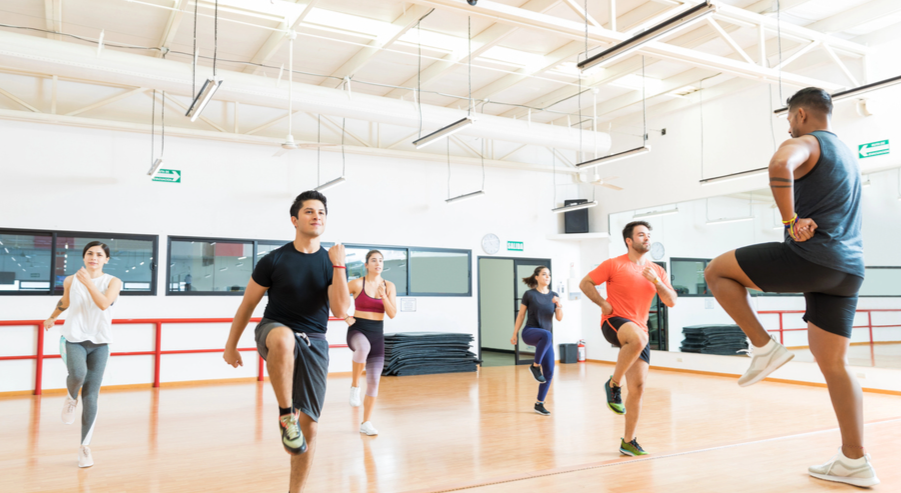
Dance cardio is any rhythmic, continuous movement to music that raises your heart rate for a sustained period, commonly 10 to 20 minutes or more. It includes studio classes, online follow-alongs, Latin dance, hip-hop sequences, K-pop routines, barre-dance fusion, and living-room dance parties. The key is sustained, music-driven movement that challenges your breathing while still feeling fun.
Intensity ranges from low-impact step-touch patterns to high-energy intervals with jumps, pivots, and squats. Because choreography can be adapted to nearly any body and ability, dance cardio is accessible: you can modify steps, choose slower music, or shorten intervals while still reaping real health benefits.
Mental Health Benefits of Dance Cardio
Within minutes, dance cardio can boost mood. Rhythmic movement to music stimulates endorphins and nudges dopamine, linked to motivation and reward. This biochemical mix helps explain why a short session can break through afternoon fog, reduce irritability, and create a sense of lightness or calm. Unlike workouts that may feel punishing, dance pairs effort with pleasure, making consistency far easier.
Anxiety often narrows attention, speeds thoughts, and tenses muscles. Dance cardio counters this with rhythmic breathing, bilateral movement (the left-right patterns that gently organize brain-body signals), and a reliable anchor in the beat. When you sync your steps to music, your nervous system receives a steadying signal that can quiet the stress response. Shoulders unclench, breathing deepens, and ruminative thoughts loosen their grip.
Depression can make it difficult to start anything, but small, enjoyable actions are therapeutic. Dance cardio aligns with behavioral activation, a cornerstone of depression treatment, by pairing manageable goals with immediate reward. The structure of choreography offers direction without overthinking, and the music provides built-in encouragement. Over time, regular sessions reinforce a healthier sleep-wake rhythm, appetite cues, and self-efficacy, all of which support recovery. Beginning with 10 minutes and one song you love, then repeating the same short routine for a week, reduces decision fatigue and makes the habit easier to sustain.
For people healing from trauma, body-based practices that emphasize choice, pacing, and grounding are often essential. Dance cardio can be adapted into a trauma-sensitive format: lower lights, predictable sequences, opt-in intensity, and frequent invitations to pause or modify. The aim is not performance; it's re-establishing trust with the body through safe, voluntary movement. Choosing instructors who normalize modifications and favoring repetitive, predictable tracks over complex choreography supports this. If music, lyrics, or sensations feel activating, stopping and swapping to gentler tracks is always appropriate.
Dance also integrates attention (following cues), working memory (remembering sequences), and response inhibition (resisting the urge to rush). This executive-function workout can improve short-term focus and post-exercise productivity, which many people with ADHD find valuable. Short, high-intensity bursts, two or three songs, can serve as an energizing bridge into tasks that require sustained attention. Simple combos repeated for two to three tracks build mastery without overload.
Brain and Cognitive Benefits
Learning choreography challenges the brain to form and strengthen new neural pathways. You match beats, anticipate transitions, and coordinate multiple joints at once, higher-level brainwork. Over time, this kind of complex movement supports neuroplasticity, the brain's ability to adapt and grow. Many people notice everyday benefits: quicker recall, sharper mental switching, and improved coordination in non-exercise tasks.
Dance also trains balance naturally. Direction changes, heel-toe shifts, and turns stimulate the inner ear and the small stabilizer muscles that keep us upright. For older adults, low-impact dance can improve gait confidence and reduce fear of falling, which supports more active, independent living.
Physical Health Gains
Dance cardio is, at its core, heart health training. Regular sessions can improve cardiorespiratory fitness by strengthening the heart muscle, enhancing circulation, and efficiently delivering oxygen to working muscles. Many people see favorable changes in resting heart rate and endurance within weeks of consistent practice. A useful intensity check: at a moderate pace you can still speak a sentence or two; during vigorous intervals you can say a few words but would prefer not to chat.
Aerobic movement also helps blood vessels relax and become more responsive. Over time, this can support healthier blood pressure and a more favorable cholesterol profile, including possible increases in HDL. Regular dance cardio improves how muscles use glucose, which can aid insulin sensitivity. Combined with balanced nutrition and sleep, these effects compound into broad metabolic benefit.
Because dance engages large muscle groups, it can burn a substantial number of calories in a short window, especially during interval-style tracks. More importantly, it supports sustainable habits, people stick with dance because it's enjoyable, and adherence is the key ingredient in long-term weight and body-composition change. When paired with two days per week of strength training, dance cardio helps preserve lean muscle while reducing excess body fat.
Low-impact dance sequences are joint-friendly while still weight-bearing, which supports bone health. Rotational moves and side lunges build hip and spine mobility; calf raises and step patterns challenge the ankles and knees in a controlled way. With mindful form and progressive difficulty, dance cardio can reduce stiffness, improve posture, and expand comfortable range of motion.
Social and Emotional Well-Being
Humans are wired for connection. Dancing with others, online or in-person, adds a social reward that compounds the mental health benefits. Following the same beat, celebrating a chorus drop, or exchanging a smile between tracks creates shared joy and a sense of belonging. Self-esteem often grows as you master sequences and feel your strength returning. Social support is a powerful buffer against stress, anxiety, and depressive relapse, and group or partner dance sessions deliver it alongside the physical workout. Virtual sessions with a friend offer convenience without sacrificing that sense of connection.
How Much Is Enough?
Most adults benefit from at least 150 minutes per week of moderate-intensity aerobic activity, or 75 minutes of vigorous activity, plus two days of muscle-strengthening work. Dance cardio fits within this framework. For many, three 30-to-40-minute sessions per week meet the aerobic target, with brief intervals elevating intensity. If you're just starting, even 10-minute blocks count, your body and brain track totals, not perfection.
The talk test is a reliable intensity guide: a moderate pace lets you talk in sentences; a vigorous pace makes talking difficult. On a 0-to-10 perceived-exertion scale, 5 to 6 is moderate and 7 to 8 is vigorous. Music tempo is also a practical cue, faster beats tend to drive a higher heart rate, so choosing tracks thoughtfully helps you hit the right zone.
Getting Started Safely
You don't need special equipment to begin. A clear space, supportive shoes, and music you love are enough. If you have a heart condition, severe joint pain, are pregnant, or have other medical concerns, talk with your clinician before starting.
- Warm up for 5 minutes: march in place, roll shoulders, and do gentle hip circles.
- Choose low-impact options first: step-touches, grapevines, and squats without jumps.
- Mind your floor: avoid slippery surfaces; wood or rubberized flooring is ideal.
- Keep your stance soft: slight knee bend to protect joints during turns and lateral moves.
- Shorten ranges: half-squats or gentle arm lines until you feel strong and stable.
- Hydrate before and after; sip during breaks if the session exceeds 20 minutes.
- Build gradually: add 5 minutes or one extra interval per week.
- Cool down 3 to 5 minutes: slow steps, deep breathing, light stretches for calves, hips, and shoulders.
- Stop immediately if you feel chest pain, severe shortness of breath, dizziness, or sharp joint pain.
- Mix in strength days: simple bodyweight work such as wall push-ups, glute bridges, and rows supports joints and power.
Adapting Dance Cardio for Different Bodies
Dance is not one-size-fits-all, and that flexibility is a strength. If you're deconditioned or returning after injury, start with 10-to-15-minute, low-impact routines and longer warm-ups, favoring predictable patterns over complex choreography. For sensitive knees or hips, keep steps narrow, avoid deep twists, and select routines without jumping or rapid pivots, then strengthen glutes and core on off-days.
During pregnancy or postpartum, emphasize balance and breath, keep intensity moderate, and avoid overheating. Many find side steps and gentle squats ideal; consult your obstetric provider before starting or continuing. For chronic pain or fatigue, interval pacing works well: one to two minutes of movement followed by one minute of rest, letting music guide a comfortable rhythm. For older adults, lower tempos, a focus on posture and ankle mobility, and light balance drills such as heel-to-toe walking between songs are a practical starting point.
A 20-Minute Beginner Routine
Set your space, cue up four or five favorite songs, and aim for steady, feel-good effort rather than maximum intensity.
- Minutes 0-3: Warm-up march, shoulder rolls, step-touch with gentle arm swings.
- Minutes 3-6: Basic combo, grapevine right/left, step-knee lifts, side-to-side reaches.
- Minutes 6-9: Add a light interval, two step-knees and two squats; keep heels down, chest proud.
- Minutes 9-12: Rhythm change, box step or V-step, then hamstring curls; breathe evenly.
- Minutes 12-15: Optional power burst, four fast step-touches, four knees, repeat; stay low-impact if needed.
- Minutes 15-18: Groove and flow, repeat your favorite combo; focus on smooth transitions.
- Minutes 18-20: Cool down, slow march, inhale arms up, exhale down, gentle calf and hip stretches.
If you feel good, repeat minutes 6 through 12 once more for a 26-minute session. Mastery comes with repetition.
Sleep, Energy, and Stress Resilience
A well-timed dance session can improve sleep quality by helping you discharge tension and regulate body temperature. Many people notice deeper sleep when they finish moderate-intensity movement at least two to three hours before bedtime. Day to day, dance cardio raises baseline energy by enhancing blood flow and mitochondrial efficiency in muscle cells, your body gets better at producing and using energy. As stressors arise, a trained cardiovascular system and balanced nervous system help you recover faster. If evenings are busy, a 10-minute morning routine works just as well; if vigorous movement leaves you wired at night, shifting those tracks earlier in the day helps. Pairing a calming cool-down song with slow breathing can also cue sleep readiness.
Pain, Posture, and Everyday Function
Prolonged sitting tightens the front of the body and dulls the backside muscles that stabilize us. Dance cardio counters this: the chest opens, the hips move in all planes, and the core activates to support turns and reaches. Over weeks, you may notice fewer tension headaches, easier bending and lifting, and less achiness after desk time. Adding light strength work for the upper back and hips amplifies these benefits. Practical signs of progress include a taller stance without effort, easier balance when dressing or reaching overhead, and less stiffness getting out of chairs or cars.
Making It Stick
Behavior change is easier when it's built on joy, identity, and small wins. Habit stacking, attaching your session to an existing routine such as after coffee or before a shower, removes the decision of when to start. Pre-committing by picking songs and laying out shoes the night before lowers friction further. Tracking mood with quick before-and-after notes makes progress visible. When 30 minutes feels daunting, committing to one song is enough; momentum often carries you forward. Choosing instructors and playlists that make you smile protects the experience from feeling like a chore.
When to See a Professional
Exercise is powerful, but it is not a substitute for comprehensive care. If you're experiencing persistent depression, panic attacks, overwhelming stress, disordered eating patterns, or thoughts of self-harm, reach out to a licensed clinician. In the United States, call or text 988 for immediate support in a mental health crisis. For physical concerns, chest pain, fainting, or unexplained shortness of breath, seek medical evaluation before returning to vigorous activity.
Healing Sky can connect you with a provider who incorporates movement into a personalized mental health plan, alongside therapy, medication, sleep strategies, and nutrition counseling. To find a provider, visit Healing Sky.