Written by Healing Sky Editorial Team. Clinically reviewed by Raul Rodriguez M.D.
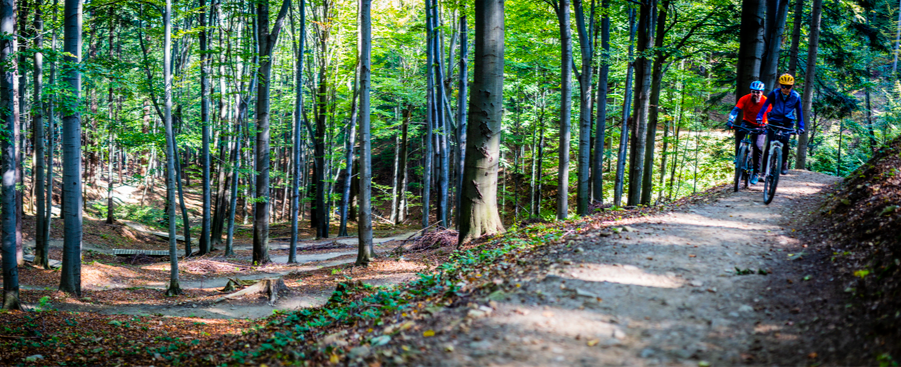
Gravel cycling sits between smooth road riding and rugged mountain biking, using wider tires and a more relaxed bike fit to explore dirt roads, forest lanes, canal paths, and farm tracks. For people looking to support cardiovascular fitness, metabolic health, and mental well-being at the same time, it offers something most gym routines cannot: aerobic training, time in nature, manageable adventure, and community, all in a single activity.
Why Gravel Riding Feels Different
Gravel routes typically have fewer cars, gentler grades than most mountain trails, and constantly changing surfaces. That combination invites a steady, sustainable pace with short bursts on climbs. The brain stays engaged in line choice and traction without feeling overwhelmed, and the body gets rhythmic, low-impact work that builds endurance. Mixed terrain encourages curiosity and play in a way that flat pavement rarely does, and the ride demands enough attention to crowd out rumination while still leaving room for calm, mindful breathing.
Cardiovascular and Metabolic Benefits
Regular gravel cycling trains the heart, lungs, and vascular system in a way that is both effective and kind to the joints. Sustained "conversation pace" rides (often called Zone 2) improve how efficiently the body uses oxygen and fat for fuel. Short climbs or windier sections naturally add moderate-to-vigorous intervals that further raise fitness. Over time, most people see improvements in stamina, exercise tolerance, and everyday energy, along with a better cholesterol profile, improved insulin sensitivity, reduced visceral fat, and gains in aerobic capacity (VO₂ max), which is a strong predictor of longevity.
Public health guidance recommends at least 150 minutes per week of moderate aerobic activity or 75 minutes of vigorous activity. Many gravel riders meet this through two to three rides. If you are new or returning after a break, start with shorter, easier spins and build gradually; the cardiovascular system adapts quickly, but tendons and sit bones appreciate patience.
Strength, Core, and Balance
Gravel surfaces wobble slightly under the tires. That micro-instability makes the core, hips, and upper body work as quiet stabilizers while the legs drive the pedals. Standing briefly over washboards or rolling small ruts engages the glutes and back more than smooth pavement does. The primary movers are the quadriceps, hamstrings, glutes, and calves, while the deep core, spinal erectors, and hip abductors work continuously to keep the rider stable. The lats, triceps, and shoulder girdle engage during steering and bracing. The practical result is that riders tend to feel steadier on and off the bike, whether climbing stairs, carrying groceries, or sitting with better posture at a desk.
Joint-Friendly Movement
Because cycling is low impact, it is an excellent option for people with knee, ankle, or hip sensitivities, or for those building back after an injury with a clinician's guidance. The circular motion helps move synovial fluid across joint surfaces, and the lack of pounding allows riders to accumulate substantial training time without the aches that running can cause for some people. Adjustable gearing lets riders spin a lighter load on climbs, wide tires at lower pressures reduce chatter and vibration, and a proper bike fit distributes weight to protect the neck, back, and wrists.
Bone Health: One Caveat and How to Address It
Cycling is superb for heart and muscle health, but it is not weight-bearing, so it contributes less to bone density than weight-bearing activities. If bone strength is a priority, combining gravel riding with resistance training and impact activities like brisk walking, hiking, or light jumping drills (introduced carefully) fills that gap. Two brief strength sessions weekly covering squats, deadlifts, and push/pull movements, along with loaded carries or step-ups to challenge the hips and spine, are a practical starting point. Adequate calcium and vitamin D through diet or as advised by a clinician also matter here.
Mood, Stress, and the Brain
Aerobic exercise reliably lifts mood, eases anxiety, and buffers stress. Gravel cycling adds several specific ingredients: rhythmic bilateral movement, gentle attentional demands, and outdoor exposure. Physiologically, consistent rides raise endorphins and endocannabinoids, nudge serotonin and dopamine systems toward balance, and stimulate brain-derived neurotrophic factor (BDNF), which supports learning and neuroplasticity. Psychologically, it offers a clear sense of progress, mile by mile and hill by hill. Many riders report a calmer baseline mood, fewer stress spikes, and less time in worry loops, replaced instead by present-moment focus on the trail.
Nature as Part of the Equation
"Green exercise," meaning movement outdoors, adds benefits beyond indoor workouts. Natural light helps align circadian rhythms and supports better sleep. Wind through trees and wide horizons invite soft fascination, giving the overworked executive brain a break that a treadmill cannot replicate. Dirt roads rarely present constant novelty or crowds, so they encourage a steady, meditative rhythm that sustains interest without overwhelm.
Focus, Flow, and ADHD Support
Gravel riding can be helpful for attention and executive function. The terrain requires just enough planning, selecting a line, scanning for potholes, shifting before a grade, to keep the mind engaged without overstimulation. Some people with ADHD report that 20 to 40 minutes of moderate cycling can clear mental fog and may improve working memory and task initiation for several hours afterward. Flow often emerges on rolling dirt: skills match challenges, feedback is immediate, and self-criticism fades. Picking one focus cue before a ride (for example, "quiet hands" or "smooth breathing") and capturing one win and one learning point afterward can reinforce that effect over time.
Community, Mastery, and Resilience
Group gravel rides are typically welcoming, often "no-drop," and fit a wide range of paces. The culture celebrates curiosity and exploration more than speed, which lowers the barrier to entry. As technical skills and stamina grow, resilience tends to rise in parallel: riders handle small stressors more calmly because they have practiced meeting manageable challenges on the bike. Trying local gravel groups or beginner-friendly events with clear route options is a low-stakes way to start, and rotating navigation and pacing responsibilities within a small group builds confidence further.
Better Sleep and Steadier Energy
Most people sleep more deeply when they accumulate physical fatigue, get daylight in their eyes during the day, and downshift their nervous system before bed. Gravel cycling supports all three, provided the timing is right. Earlier rides help set the internal clock; very intense late-night sessions can make it harder to wind down. Finishing vigorous rides at least three hours before bedtime, aiming for consistent start times, and following a ride with a warm shower, a light snack with protein and carbs, and a brief stretch sets the stage for restorative sleep.
Weight Management and Metabolic Syndrome
Gravel rides can burn substantial energy without feeling punishing, which supports weight loss or maintenance for those with that goal. More importantly, regular movement improves how the body partitions fuel, favoring muscle over visceral fat. Waist circumference, blood pressure, and fasting glucose often improve together when people commit to two or three rides per week alongside modest nutrition changes. Pairing rides with protein-rich meals supports satiety and muscle repair, and tracking waist circumference, energy levels, and how clothes fit tends to be more informative than scale weight alone.
Getting Started: Equipment and Fit
A comfortable setup keeps riders riding. The lightest carbon bike is not necessary; reliability and fit matter more. Many riders begin with a versatile gravel bike or adapt a cyclocross or hardtail mountain bike. Key items to have in place:
- Helmet that fits snugly; replace after any impact
- Tires 38 to 50 mm wide; consider a tubeless setup with sealant to reduce flats
- Tire pressure tuned to weight and surface (often 28 to 45 psi; heavier riders or rocky routes may need more)
- Compact or subcompact gearing to keep climbs spin-friendly
- Two water bottle cages or a hydration pack for longer routes
- Multi-tool, spare tube or plugs, mini pump or CO₂, and a quick link
- Front and rear lights; reflective accents for dawn and dusk
- Padded shorts, gloves, and layers; a handlebar bag for snacks and a light jacket
- Professional bike fit if neck, back, or saddle discomfort arises
A Beginner-Friendly Weekly Plan
Start where you are. Consistency beats hero days. The following is a balanced beginner week for health and mood; adjust times up or down to fit life and current fitness.
- Day 1: Easy gravel spin, 45 to 60 minutes at conversation pace. Finish with 5 minutes of relaxed belly breathing.
- Day 2: Strength training, 25 to 35 minutes (squats, hinges, pushes, pulls, core).
- Day 3: Skills and tempo, 60 to 75 minutes. Warm up for 15 minutes easily, then do 3 sets of 6 to 8 minutes steady-but-comfortable on rolling terrain with easy recovery between. Practice cornering and line choice.
- Day 4: Rest or gentle walk and mobility, 20 to 30 minutes.
- Day 5: Endurance ride, 75 to 120 minutes, mostly easy. Eat and drink regularly. Focus cue: "smooth circles."
- Day 6: Strength training, 25 to 35 minutes, plus an optional 20-minute recovery spin.
- Day 7: Restorative day: stretching, a family walk, or light yoga.
Progress by adding 5 to 10 minutes to one ride most weeks and inserting a lighter cutback week every 3 to 4 weeks. If life is hectic, shorten the rides but keep the routine.
Fueling and Hydration
The brain and muscles perform better when fuel is steady. Under-eating turns rides into stressors; fueling well turns them into medicine. One to two hours before a ride, a light meal with carbs and some protein works well, such as yogurt with fruit or toast with nut butter. For rides over 60 to 90 minutes, aim for 30 to 60 grams of carbohydrate per hour and sip fluids regularly, adding electrolytes in heat or humidity. Within an hour after finishing, a balanced meal or snack with 20 to 30 grams of protein and quality carbs replenishes glycogen and supports repair. Day to day, prioritizing whole foods, colorful plants, lean proteins, and healthy fats provides enough total energy to prevent overtraining and mood dips.
Safety and Risk Management on Gravel
Check the forecast, know the route, and carry the basics. Share a plan with someone when exploring unfamiliar roads. Downloading offline maps and carrying an external battery on longer routes is worth the small effort. Two simple mechanical skills, plugging a tubeless puncture and repairing a broken chain, cover most roadside problems. On the trail itself, washboards, sand, and loose-over-hard corners deserve extra caution; scrubbing speed before turns is a habit worth building early. Ticks, sun exposure, and temperature swings are worth planning for, and open-ear headphones or a single earbud are preferable to full isolation on quiet roads where hearing matters.
Listening to Your Body
Training stress should build fitness, not break it down. Most aches resolve with small adjustments; pain that sharpens with effort or lingers afterward deserves rest and, if needed, evaluation.
Seek care immediately if you experience any of the following during or after a ride:
- Chest pressure or tightness
- Severe breathlessness out of proportion to effort
- Unusual palpitations
- Dizziness or fainting
Overtraining shows up as persistent fatigue, irritability, sleep disruption, falling motivation, or stalled performance. If rides become a way to avoid feelings or obligations entirely, pausing and reassessing with a professional is the right move.
People living with bipolar disorder should protect sleep fiercely, skipping very late events and keeping a steady routine. Those with panic attacks can use gradual exposure: starting on short, familiar loops and expanding once confidence is established.
How Gravel Cycling Supports Therapy
In cognitive behavioral therapy, behavioral activation refers to small, planned activities that nudge the nervous system toward balance and build momentum. Gravel cycling fits that role well. It offers structure, measurable progress, and a natural reward loop: movement produces a better mood, which reinforces the desire to move again. It also pairs with mindfulness practice: noticing the crunch of the road, the feel of the breath, and the play of light through leaves, then returning to those cues whenever the mind wanders. Setting process goals ("ride two times this week") rather than outcome goals, stacking the habit onto an existing routine such as Saturday after breakfast, and logging mood before and after each ride with one note of gratitude are practical ways to deepen that connection.
When to Check in with a Clinician
Most people can begin with gentle rides safely. Anyone with cardiovascular disease, uncontrolled blood pressure, advanced joint disease, a history of exercise-induced asthma, or pregnancy, or who takes medications that affect heart rate or hydration, should speak with a clinician first. They can tailor intensity and help build a progression that is both safe and effective. Starting low, going slow, and building by feel is the right approach for most people, and any persistent pain, swelling, or concerning symptoms warrant medical attention.
Ready to Roll
Gravel cycling is a practical, enjoyable way to care for the heart, muscles, metabolism, and mental health at once. The combination of rhythmic movement, fresh air, modest challenge, and community makes it a sustainable tool for well-being. Starting with one easy ride and noticing how you feel before and after is enough to begin. Healing Sky can connect you with a provider who supports building a movement-based plan that fits your life, including integrating gravel riding into care for mood, anxiety, or attention concerns.