Many wellness practitioners reach a point where their calendar is full, their referral sources have dried up, or they want to attract a different kind of client without starting from scratch on marketing. Workshops and webinars solve a specific version of that problem: they let you teach something genuinely useful, demonstrate how you work, and build trust with a room full of people at once. The challenge is that most practitioners have good wellness workshop ideas but are not sure how to structure, price, or promote them in a way that actually fills seats. This post walks through each of those decisions, with guidance on who each approach works for and where the clinical and ethical guardrails belong.
Why Workshops Bring In Clients Who Are Already Ready
When someone registers for a workshop on managing anxiety or improving sleep, they are not browsing passively. They have identified a specific problem, taken a small action to address it, and shown up with some motivation already in place. That is a meaningfully different starting point than a cold website visitor, and it matters for how quickly a working relationship can form after the event. Practitioners who run workshops regularly often find that follow-up conversations with attendees move faster because the trust-building has already begun in the room.
Workshops also give potential clients a low-stakes way to experience how you think, explain things, and hold space. A yoga teacher who runs a workshop on breathwork for stress, a nutrition professional who teaches an intro to anti-inflammatory eating, or a therapist who offers a psychoeducation session on the nervous system is essentially showing rather than telling. That demonstration quality is something a bio page or even a video cannot fully replicate, which is why practitioners who run events consistently tend to see stronger conversion from interested prospect to booked client.
Wellness Workshop Ideas for Different Practice Types
The best wellness workshop ideas come directly from the questions you already field in your practice. If your therapy clients frequently ask how to explain anxiety to their partners, a workshop on that topic will likely resonate with people in similar situations. If your nutrition clients consistently struggle with meal planning under time pressure, a focused two-hour class on batch cooking for busy families is a natural fit. The goal is a topic narrow enough to promise a clear takeaway, not so broad that attendees leave with an overview and no practical skill.
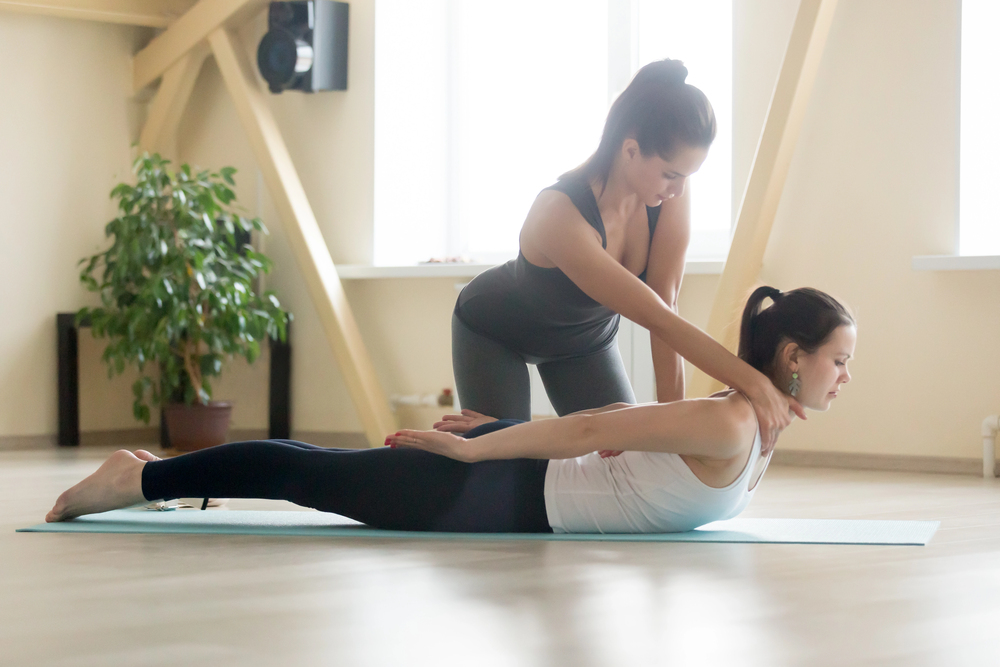
Therapists and counselors tend to do well with psychoeducation formats: understanding the stress response, recognizing signs of burnout, or building emotion regulation habits. Coaches often find success with goal-setting intensives, values-clarification workshops, or career transition seminars. Yoga and movement teachers can run anatomy-informed practice workshops, restorative yoga intensives, or teacher training preview days. Integrative practitioners might offer sessions on reading lab results with a functional lens (while making clear this is education, not medical advice) or introductions to specific modalities like acupressure or herbal basics. The common thread is that each idea is grounded in what you actually know and what your existing audience has already told you they want.
In-Person Events Versus Webinars for Therapists and Coaches
In-person workshops have a warmth and energy that online formats cannot fully match. They work especially well for somatic practices, movement-based content, hands-on skill building, and situations where you want attendees to connect with each other as part of the experience. The logistical overhead is higher: you need a venue, setup time, and usually a minimum attendance threshold to cover costs. For practitioners in suburban or rural areas, in-person events can still draw well if the topic is specific enough and the promotion starts early enough, usually four to six weeks ahead.
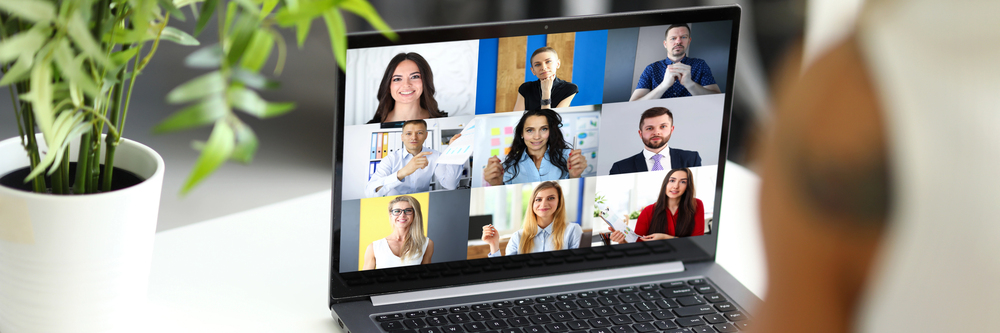
Webinars for therapists and other licensed practitioners have distinct advantages beyond just convenience. They remove geographic limits, they are easier to record and repurpose, and they tend to have lower overhead costs since there is no venue to rent. Platforms like Zoom, Google Meet, or Crowdcast all work for small to mid-size audiences. The tradeoff is that the dropout rate from registration to attendance is typically higher online than in person, so you will want to send reminder emails and keep the event to a manageable length, usually 60 to 90 minutes including time for questions. If you are a therapist who works primarily via telehealth, webinars are a natural extension of how you already practice and may feel more authentic to your audience than an in-person event would.
Some practitioners run a hybrid model: a free or low-cost monthly webinar to stay visible, with a deeper in-person intensive once or twice a year for clients who want more. That combination works well for coaches and integrative practitioners who want to build community over time. It is less practical for solo therapists with limited administrative bandwidth, who may do better picking one format and running it consistently.
How to Market a Workshop Without a Big Budget
Knowing how to market a workshop is often the step that stops practitioners from running one at all. The good news is that you do not need paid advertising to fill a small event. Your existing email list, even a modest one, is your most reliable channel because those people already know you and have opted in to hear from you. If you do not have an email list, a workshop registration page is a reasonable place to start building one. Send a plain-text announcement, follow up once closer to the date, and send a final reminder 24 to 48 hours before.
Social media works for workshops when the content is specific and the visual assets are simple. A short video clip explaining what attendees will walk away with outperforms a graphic with the event details. Your professional network, including referral partners and colleagues, can be a source of genuine word-of-mouth promotion if you tell them directly what the event covers and who it is for. Local community boards, library bulletin boards, and neighborhood Facebook groups still drive registrations for in-person events, particularly for practitioners whose client base skews local. For more grounded approaches to organic visibility, the strategies covered in marketing for therapists without paid ads pair well with event promotion.
Pricing deserves its own thought process. Free events lower the barrier to registration and can generate a larger pool of interested people, but they also tend to produce lower show rates and attract a wider range of readiness levels. Paid events, even at a modest price like $20 to $45, tend to attract people who have made a small commitment and are more likely to show up and engage. Neither model is universally better. Free works well when your primary goal is list building or community exposure. Paid works better when you want a focused, motivated room and need to cover venue or platform costs.
Turning Attendees Into Clients, Ethically
There is a meaningful difference between being available to attendees who want to continue working with you and pressuring a room full of people toward a sale. Ethical conversion starts with delivering enough genuine value in the workshop that the offer of further support feels like a natural next step, not a bait-and-switch. At the close of a workshop, it is appropriate to briefly mention how you work, what you offer, and how someone can reach you if they want to learn more. That is not a sales pitch; it is information.
A follow-up email sent within 24 to 48 hours of the event is one of the most underused tools in a practitioner's marketing kit. It should thank attendees, include any promised resources such as a handout or recording, and offer a low-pressure next step like booking a free 20-minute consultation or visiting your profile to learn more about your approach. If someone registered but did not attend, a shorter version of that same email is worth sending, since life often gets in the way and a warm follow-up is usually welcomed rather than resented. The practitioners we work with who see the best results from events are those who plan the follow-up sequence before the event happens, not afterward.
A complete, well-maintained provider profile gives attendees a clear place to learn more about you after the event. When your profile includes a short bio, your areas of focus, and some content that reflects how you think, it does quiet conversion work between the moment someone attends your workshop and the moment they are ready to book. You can read more about what that visibility looks like on our provider benefits page.
Keeping the Line Clear Between Education and Treatment
Group workshops and webinars are educational settings, not clinical ones. That distinction matters for everyone involved and it is worth being explicit about it both internally as you design the event and publicly at the start of the session itself. Teaching a room of 30 people how the autonomic nervous system responds to chronic stress is education. Responding to one participant's description of their symptoms with a clinical interpretation is not, and doing so in a group format creates ethical and potentially legal problems regardless of your credentials. If you are unsure where the line falls under your specific license and jurisdiction, your licensing board's ethics guidelines or an attorney familiar with healthcare practice can clarify it.
Informed consent still matters in educational settings. Attendees should understand what the event covers, what it does not cover, and that the content is not a substitute for individualized professional care. A brief verbal statement at the opening of the event and a short disclaimer on registration materials both serve that purpose. For practitioners who work with vulnerable populations, it is worth thinking carefully about content that could be triggering in a group context where you cannot provide individual support. This is not a reason to avoid workshops, but it is a reason to design them thoughtfully and to have a referral resource ready if a participant needs more support than the group setting can provide.
If you are ready to put a workshop or webinar strategy into practice, we invite you to create your provider profile with us at Healing Sky. Your profile gives attendees a credible, complete place to learn more about your work after an event, and our analytics dashboard shows you exactly how many people are clicking through, calling, or reaching out. It takes about 15 minutes to get started, and it means your next workshop has somewhere to send curious people who want to keep the conversation going.
Frequently Asked Questions
How long should a wellness workshop be?
Most standalone workshops run between 90 minutes and three hours, which is long enough to cover a topic with real depth but short enough to hold attention and fit into a weeknight or weekend morning. Webinars tend to work best at 60 to 90 minutes, including a question-and-answer segment. If your content genuinely requires more time, a half-day format can work, though you will typically see lower registration rates compared to shorter events. Start with a shorter format, gather feedback, and expand from there if participants want more.
Should I offer a free workshop or charge for it?
Both models have merit depending on your goal. Free events are useful for building an email list, reaching new audiences, or establishing visibility in a new specialty area. Paid events tend to draw more committed participants, generate direct revenue to cover costs, and often produce better attendance on the day of the event. A common approach is to offer one free introductory webinar to generate interest, then charge for follow-up workshops that go deeper into the topic. Consider what your existing audience expects and what the financial overhead of the event requires.
What platform should I use to host a webinar?
Zoom is the most familiar option for most audiences and handles up to 100 participants on a basic plan, which is sufficient for most practitioner-led webinars. Google Meet works well for smaller groups and has no time limit on paid Google Workspace accounts. Crowdcast and Demio offer more event-specific features like registration pages and replay hosting, which can simplify logistics. The right platform is the one you can operate confidently without technical difficulties on the day of the event, so test it thoroughly before going live with an audience.
How do I handle a participant who discloses something clinical during a group workshop?
The clearest approach is to acknowledge the person warmly, affirm that what they shared sounds significant, and gently redirect by noting that this is something better explored in a one-on-one setting. You can offer to follow up privately after the session. Having a local crisis line or referral resource ready before the event means you can respond helpfully without disrupting the group experience. Your ethics code and licensing board likely have guidance on managing disclosures in non-clinical group settings, and reviewing that guidance before you run your first event is a good use of your time.
How soon should I send a follow-up email after a workshop?
Within 24 hours is ideal, while the experience is still fresh for attendees. That email should thank participants, deliver any promised materials, and offer one clear next step such as booking a consultation or visiting your practice page. Waiting longer than 48 hours reduces the connection between the workshop experience and the follow-up, and your message is more likely to get lost. For people who registered but did not attend, a brief version of the same email sent the following day is worth the effort and rarely feels intrusive.