Written by Healing Sky Editorial Team. Clinically reviewed by Raul Rodriguez M.D.
Most people who struggle with traditional seated meditation aren't doing it wrong, they're doing it in a format that doesn't fit how their nervous system works. Movement meditation offers a different entry point: instead of sitting still with eyes closed, attention rests on breath and body in motion. Each step, stretch, or sway becomes the anchor that keeps awareness in the present. This approach is accessible, adaptable, and consistent with current understanding of how the nervous system regulates stress.
At its heart, movement meditation is simple: move a little more slowly than usual, breathe a little more steadily than usual, and pay attention to what you feel, without judgment. Over time, this mindful motion can reduce stress, lift mood, improve focus, and rebuild trust in the body's signals.
The Big Idea
Most people spend their days moving on autopilot, walking from car to door, scrolling while pacing, rushing through chores. The body moves, but the mind is elsewhere. Movement meditation reverses that split. You choose a rhythm (walking, slow stretching, flowing postures) and let attention rest in the sensory details: pressure under the feet, warmth in the legs, the rise and fall of breath. When the mind wanders, the practice is simply to return to the felt experience of moving.
Unlike high-intensity exercise, there is no goal to hit a heart rate or a step count. The "win" is noticing. This makes movement meditation especially helpful on days when motivation is low or stress is high. It can meet a person where they are, at home, outdoors, or in a small office, no special gear required.
How It Works in the Brain and Body
Movement meditation taps into built-in calming pathways. Slow, rhythmic motion paired with steady breathing can send a "safety" signal through the nervous system. Muscles and joints are rich with sensors that update the brain about position and pressure. When attention tunes into those sensations, it shifts away from ruminative thought cycles and toward a grounded sense of the present moment. Over time, this practice strengthens the ability to shift focus deliberately, rather than being pulled by worry or distraction.
Intentional movement can reduce muscle tension, regulate breathing, and loosen the tight link between stress and symptom flare-ups such as headaches, gut discomfort, or insomnia. Many people also notice improved balance, posture, and coordination, physical changes that can lift mood and confidence. Four mechanisms drive most of this: slow exhalation and diaphragmatic breathing cue the body's "rest and digest" response; proprioception (feeling the body's position) anchors attention and interrupts looping thoughts; alternating left-right movement, as in walking, tends to be soothing and organizing; and repeatedly returning attention to sensation builds focus the way repetition builds any skill.
Who Benefits Most
Movement meditation is not a niche wellness trend, it is a practical mental health tool. If sitting still feels edgy, if thoughts feel sticky, or if the body aches during chair-based meditation, mindful movement may be the better entry point. It gives the brain something steady and tangible to notice, while respecting that some people need to move in order to feel settled.
It is particularly useful for anxiety and stress, where it eases muscle tension and nervous agitation; for depression, where gentle momentum counters the heaviness that makes starting hard; and for ADHD, where a physical anchor gives focus something concrete to return to. People recovering from trauma often find it supports grounding without forcing stillness, and it can be adapted carefully for that purpose. Those managing chronic pain or other medical conditions may find it encourages safe, graded movement and rebuilds trust in the body's signals.
Core Principles
Though styles vary, effective movement meditation follows a few shared principles. Go slower than usual so the mind can keep up with the body. Link movement to breath, for example, inhale to lengthen, exhale to soften. Choose a single anchor: the soles of the feet, the sway of the arms, or breath at the nose. Use kind attention: notice, name, and return without judgment. Keep the practice gentle and repeatable, because consistency matters more than intensity.
Popular Forms to Try
There is no single right way to practice. The following are common options, each adaptable to fitness level and available space.
Walking Meditation. This is the simplest starting point. Stand tall, relax the jaw and shoulders, and begin walking at a comfortable pace. Feel the shift of weight from heel to toe, notice contact with the ground, the leg muscles working, and air on the skin. When thoughts pull attention away, return to the next step. Short indoor loops or a quiet sidewalk work well; if outside, choose a route where attention can stay mostly inward.
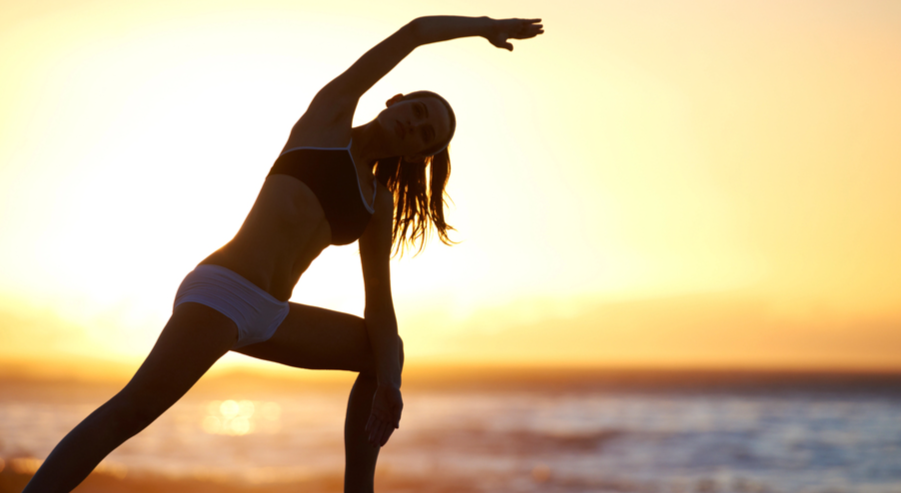
Mindful Yoga. Yoga becomes meditation when movement is slow, breath is steady, and each posture is treated as a place to sense rather than achieve. Favor gentle flows and long, easy exhales. For beginners, foundational shapes, cat-cow, child's pose, supported forward fold, low lunge, and standing balance, are enough. Props such as a chair, blocks, or pillows make practice accessible at any level.
Tai Chi and Qigong. These low-impact practices use flowing sequences and coordinated breathing. The movements are intentionally slow, smooth, and circular, which can be especially stabilizing for anxiety and balance challenges. Learning one or two forms and repeating them like a moving mantra is a practical way to begin. A short daily sequence of five to ten minutes often sustains better than longer, less frequent sessions.
Dance and Freeform Movement. Music can guide gentle swaying, circling of the arms, or shifting weight side to side. Keeping the motion slow and intentional, breath soft, movements deliberate, can regulate the nervous system while also unlocking emotion and a sense of ease. If strong feelings arise, pause, press the feet into the floor, and slow the breath.
Somatic Micro-Practices. These are brief, calming movements usable anywhere: rolling the shoulders with breath, soft neck circles, hand stretches, or a slow body scan while swaying. Done for one or two minutes, they can reset stress between meetings or during a bedtime wind-down. Pairing a micro-practice with a routine cue, after washing hands or before checking email, helps it stick.
A 10-Minute Starter Practice
If you are new, this simple routine blends mindful standing, slow walking, and gentle stretching. Set a timer for 10 minutes.
- Stand tall with feet hip-width apart. Notice contact with the floor.
- Inhale through the nose for a count of 4, exhale slowly for a count of 6. Repeat for 4 breaths.
- Begin a slow, short walk. Feel heel-to-toe on the right, then left.
- Match breath to steps: inhale for two steps, exhale for three or four steps.
- After 3 minutes, pause. Place a hand on the abdomen and feel it rise and fall for 3 breaths.
- Return to walking. Let arms swing naturally. If thoughts pull attention away, label it "thinking" and return to the feet.
- Stop and do gentle shoulder rolls, three forward, three back, linked to breath.
- Stand in a comfortable posture. Soften the knees. Sway side to side like a tree in a breeze for 30-60 seconds.
- Finish with 4 slow breaths, lengthening the exhale. Notice how you feel, no need to judge it.
- Name one word for your current state (e.g., "calmer," "steady," or "awake").
Practicing most days for two weeks gives the nervous system enough repetition to begin responding. Some people notice improved mood and focus by day 10, not because the practice is dramatic, but because it is consistent.
Safety First
Movement meditation should feel safe, kind, and sustainable. Anyone living with joint pain, dizziness, cardiac or respiratory issues, pregnancy, or mobility limits should choose options that respect the body and discuss any restrictions with a clinician. Start small. Avoid holding the breath. Pain is useful information, if a movement hurts sharply or symptoms worsen, stop and adjust.
For trauma survivors, certain body sensations or postures may feel intense. Keeping the eyes open can help. Orienting to the room by naming what you see and hear is a useful anchor. Prioritize control: the practitioner chooses the pace, range, and whether to continue. A trauma-informed instructor or therapist can help tailor a plan.
Watch for these safety cues: favor "steady breath" over "deep breath," since over-breathing can cause lightheadedness; aim for a 4-5 out of 10 sensation rather than 8-9 out of 10 when stretching; use short sets, since two minutes repeated is better than pushing to 20 when fatigued; and keep the eyes open with a soft gaze if closing them spikes anxiety.
Common Hurdles and Fixes
Restlessness is common at first. Slowing down more than feels natural and shortening sessions often helps more than pushing through. A standing or walking focus tends to work better than floor-based poses when the body wants to move.
Boredom usually signals that the anchor has gone stale. Varying the focus, feet one day, breath the next, hand movements the day after, and rotating between music and silence keeps the practice fresh without changing its structure.
A busy mind is not a sign of failure. Mental chatter is expected. Labeling thoughts ("planning," "worrying") and returning to sensation without self-criticism is the practice itself, not an obstacle to it.
Perfectionism and low motivation are often related. There is no correct form, and ten mindful steps count. Pairing practice with an existing routine, a morning coffee walk, a post-lunch two-minute sway, or an evening stretch by the bed, removes the need for motivation as a starting condition.
Make It Part of Your Day
Brief, frequent practice is often more stabilizing for mood and anxiety than rare, long sessions. Movement meditation works best as a thread woven through daily life rather than a separate event requiring a mat or studio. A morning three minutes of slow stretches with extended exhales, a mindful walk from a parked car to a destination, a 90-second shoulder and neck sequence between work tasks, gentle swaying or tai chi cloud hands before screens in the evening, and a slow body scan with soft exhales before bed, any of these, done consistently, builds the same attentional and regulatory capacity as a longer formal session.
Support for Specific Conditions
Anxiety and Panic. The body is built to move through stress. Slow, repetitive motion paired with longer exhales signals the nervous system that it is safe enough to downshift. For panic, walking with a 4-count inhale and 6-count exhale may reduce the sense of being trapped. Keeping the gaze soft, noticing three things visible in the environment, and feeling the feet on the ground are useful anchors. If dizziness appears, pause and breathe normally.
Depression and Low Motivation. When starting feels impossible, the target is the smallest possible action: two minutes of mindful walking in socks around a room, or one song of gentle swaying. Movement builds momentum, and even mild activation can lift energy and improve sleep. Choosing music associated with steadiness rather than sadness supports the shift.
ADHD. A moving anchor can make mindfulness stick where seated practice does not. Short, structured sets work well, two minutes of walking with breath ratios, one minute of hand and wrist flows, repeated three times. Rotating routes or sequences adds enough novelty to sustain interest while keeping the rules consistent. A 90-second mindful stretch during work breaks often resets focus more effectively than scrolling.
Trauma and PTSD. Grounding through the senses is central. Practice with eyes open, lights on, and full choice over pace and range. Movements that feel predictable and repeatable, walking, slow arm circles, tai chi forms, are the safest starting point. If memories or emotions surge, orient to the room: name five colors visible, press the feet into the ground, and lengthen the exhale gently. A therapist trained in trauma can help pace exposure to sensations safely.
Chronic Pain. Pain changes how the brain maps the body, and gentle, curious movement can redraw those maps. Starting with micro-movements of one to two centimeters of range, linked to breath, and rating sensation on a 0-10 scale while staying in the 3-5 range builds tolerance gradually. If a flare occurs, reduce range or time rather than stopping the practice entirely.
Insomnia and Stress Eating. Evening movement that emphasizes long exhales and slow transitions can reduce arousal before bed. A brief mindful walk after dinner can help regulate appetite cues and eating patterns that affect sleep and mood. Keeping lights dim and screens away during the routine supports the transition.
Build a Lasting Habit
Habits stick when they are obvious, easy, and satisfying. Make the practice visible and simple to start. Pair it with a cue that already exists, toothbrushing, coffee, arriving at a desk. Keep the minimum small: two minutes counts. Preparing the space in advance, clearing a floor spot or marking a short walking loop, removes friction. Naming one word for how you feel after each session, telling someone, or marking a calendar reinforces the identity of someone who moves mindfully most days. Planning for missed sessions with an "if-then" rule ("If I miss the morning, then I will do two minutes before lunch") keeps a single skip from becoming a stop.
Frequently Asked Questions
Movement meditation is not the same as exercise. Light physical benefits may occur, but the primary goal is awareness, not fitness metrics. Most people do well starting with 5-10 minutes most days; consistency matters more than duration. No special training is needed to begin, beginner-friendly yoga, tai chi, or qigong classes and short videos can help with form, but the core skill is attention. If slowing down feels impossible, try a moderate, steady pace with a breath focus; slowing even 10-20% often opens space for awareness. Closing the eyes is optional, many people feel safer and more present with a soft, open gaze. Music is fine if it supports steady, mindful motion; instrumental or gentle rhythms tend to work well.
When to Seek Professional Guidance
If movement brings up intense emotion, dizziness, chest pain, or flashbacks, or if symptoms are worsening, pause and consult a professional. A psychiatrist, primary care clinician, physical therapist, yoga therapist, or dance/movement therapist can tailor a safe plan. In mental health treatment, movement meditation is often combined with medication, psychotherapy, sleep support, and nutrition for a stronger overall effect. Choosing the right combination is personal and should account for individual medical history.
Seek a check-in promptly for any of the following:
- New or severe pain, shortness of breath, or fainting
- Panic that does not ease within minutes when slowing down and breathing normally
- Worsening depression, hopelessness, or thoughts of self-harm
- Trauma symptoms that spike during or after practice
- Medical conditions such as significant heart, lung, or balance issues that may need clearance before continuing
Take Your Next Step
By linking breath, body, and attention, movement meditation builds steadier mood, clearer focus, and a more trusting relationship with the body's signals. A few minutes most days is enough to begin, no hour-long session or dedicated studio required.
Healing Sky can connect you with a provider who can help you choose the style and structure that match your goals, body, and schedule, and integrate movement meditation into a broader treatment plan. Reach out to get matched with a provider.