Written by Healing Sky Editorial Team. Clinically reviewed by Cosette Pulido M.D.
Opioid use disorder narrows life down to a single relentless cycle: withdrawal, craving, use, repeat. Oral/sublingual buprenorphine maintenance is one of the most effective, practical ways to break that cycle. It is a daily medication plan that quiets withdrawal, reduces cravings, and allows the brain to stabilize so that work, relationships, and health can come back into focus. This guide explains what buprenorphine is, how sublingual maintenance works, who it helps, and what to expect at each step.
What Buprenorphine Is and How It Works
Buprenorphine is a long-acting opioid medication used as medication for opioid use disorder (MOUD). It binds to the same receptors targeted by heroin, fentanyl, oxycodone, and other opioids, but it does so in a steadier, safer way. It is called a partial agonist, meaning it activates the receptor enough to stop withdrawal and cravings but has a built-in ceiling effect that lowers the risk of overdose compared with full opioids. After a certain dose, taking more does not meaningfully increase respiratory depression, the main driver of fatal overdose. Buprenorphine also occupies receptors tightly, so stronger street opioids cannot easily displace it, which is why cravings fade and use decreases.
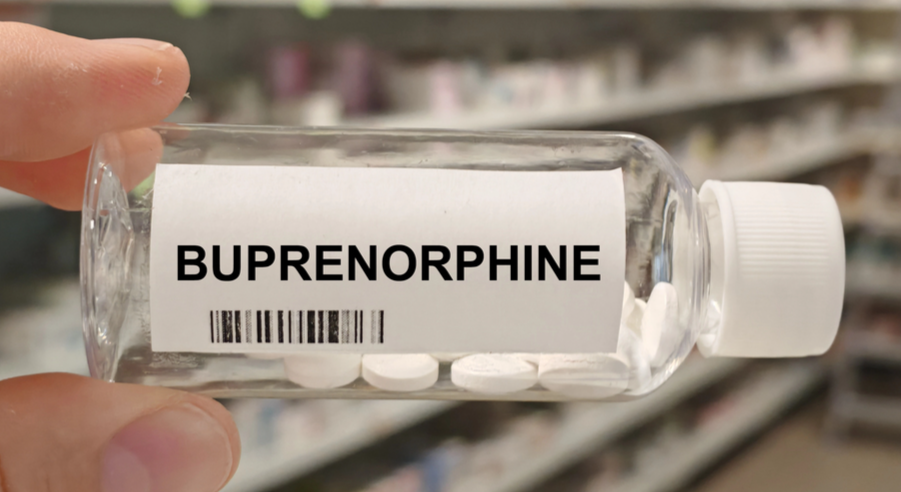
Most people take buprenorphine as a small film or tablet that dissolves under the tongue (sublingual) or in the cheek (buccal). That route matters. Swallowing the medication causes the liver to break down most of it before it can work. In everyday conversation people may say "oral buprenorphine," but clinically the term refers to medication that dissolves in the mouth, not a pill swallowed whole.
Because buprenorphine sticks tightly to receptors, timing matters when starting. If receptors are already flooded with a full opioid, taking buprenorphine too early can displace that opioid and trigger a rapid, intense withdrawal called precipitated withdrawal. Induction is managed carefully to avoid this.
Dosing is individualized. Many people stabilize between 8 and 24 mg daily. Duration is also individualized: there is no fixed end date, and treatment continues as long as it is helping, which may be months or years.
Why Maintenance, Not Just Detox
Short detoxes stop withdrawal for a few days, but relapse rates are very high afterward. The brain changes caused by opioid exposure can take months to stabilize, and a brief detox does not address them. Maintenance treatment supplies a stable level of medication every day, which reduces the constant drive to seek opioids and opens space for therapy, work, family, and health. Patients on maintenance consistently show lower rates of relapse and overdose, fewer emergency visits, and more engagement with counseling and recovery supports.
Forms: Film, Tablet, and the Role of Naloxone
Sublingual and buccal buprenorphine comes in two main forms: buprenorphine alone, which is often used in pregnancy or when naloxone is not advised, and buprenorphine combined with naloxone, commonly known by combination brand names.
Naloxone is an opioid blocker with poor absorption under the tongue. When taken as directed, it stays mostly inactive. If someone tries to inject the dissolved product, naloxone becomes active and triggers withdrawal, which discourages misuse without blocking the intended benefit when the medication is used correctly.
Films and tablets work similarly. Films can be easier to divide for dose adjustments, and some people find them more comfortable to keep in place. Tablets may taste different and dissolve at a different pace. The form is chosen based on patient preference, insurance coverage, and clinical needs.
Who Is a Suitable Candidate
Maintenance therapy is for people with opioid use disorder who want a steady, evidence-based way out of the cycle. It works whether the primary opioid has been fentanyl, heroin, prescription pills, or methadone. Good indicators include repeated withdrawal, cravings, or returns to use despite attempts to stop; using opioids to feel normal or avoid sickness rather than to get high; a history of nonfatal overdose or ongoing overdose concern; and a desire to stabilize work, school, parenting, or health. A formal diagnosis of opioid use disorder by a clinician is the clinical basis for treatment.
Preparing to Start
Before induction, a careful assessment covers substance use history, prior treatment experiences, other medical and psychiatric conditions, and current medications. Goals, logistics, and safety planning are discussed, and the patient learns what withdrawal signs to watch for and when to place the first film or tablet.
For people transitioning from fentanyl or methadone, two safe approaches exist. Standard induction means waiting until moderate withdrawal has set in, then taking the first dose and adjusting in small steps over the first day. Microinduction, sometimes called microdosing, involves starting with very small amounts of buprenorphine while still on a full opioid, then increasing gradually over several days. This reduces the risk of precipitated withdrawal, particularly with fentanyl exposure or higher methadone doses. The prescriber recommends the path that fits the patient's body and timeline.
On induction day, patients should stay hydrated, have a quiet space available for a few hours, avoid other sedatives or alcohol, and stay in contact by phone or telehealth so the dose can be adjusted as needed. Most people feel steadier within hours; sleep usually improves by night two or three.
Finding the Right Dose During Stabilization
The right dose stops withdrawal and quiets cravings without causing sedation or emotional blunting. Many people stabilize between 12 and 16 mg daily, though some need less and some need more. Adjustments are based on symptoms, daily patterns, and any side effects. Once stable, visits space out and refills occur on a regular schedule.
Buprenorphine has a long half-life, so once-daily dosing is common. Some patients prefer splitting the dose between morning and evening to smooth out late-day cravings, pain flares, or sleep issues. Either approach is acceptable when done with the prescriber's guidance.
Daily Life on Maintenance
The goal is normalcy. Many patients describe a quiet clarity returning: less mental noise, fewer body aches, more patience. Work, driving, studying, parenting, and pursuing recovery goals are all compatible with maintenance. The medication is a foundation, not a ceiling.
Taking sublingual buprenorphine correctly protects both its effectiveness and dental health. The film or tablet should be placed under the tongue or against the cheek and left to dissolve completely without chewing or swallowing. Eating or drinking for about 15 minutes afterward should be avoided. After the dose dissolves, a gentle water rinse helps protect teeth; brushing should wait about an hour to reduce enamel wear. Medication should be stored securely, away from children and pets, ideally in a lockbox. If a dose is missed, take it when remembered; if it is almost time for the next dose, take the regular dose and resume the normal schedule without doubling up.
Side Effects and How They Are Managed
Most people tolerate buprenorphine well, and early side effects often fade as the body adapts. Common mild effects include headache, nausea, constipation, dry mouth, sweating, sleep changes or vivid dreams in the first week or two, and mouth tenderness while getting used to the film or tablet. Constipation responds well to increased water, fiber, and activity; stool softeners or gentle laxatives can also help.
Less common effects that need clinical attention include sedation (especially if buprenorphine is combined with alcohol, benzodiazepines, or other sedatives), liver irritation (uncommon; labs may be checked if risk factors are present), and dental issues. Medicines that dissolve in the mouth can contribute to tooth decay in some people. Rinsing with water after each dose, waiting before brushing, keeping up regular dental care, and telling the dentist about sublingual medication use all reduce this risk. If sedation or dizziness occurs, the prescriber will reassess the dose and review other medications.
Safety: Interactions and Cautions
Buprenorphine is far safer than illicit opioids, but interactions matter. Mixing with alcohol or sedatives increases the risk of dangerous sedation and should be avoided unless a prescriber is supervising a necessary combination. Naloxone should be kept on hand and household members should know how to use it. Every clinician and pharmacist involved in a patient's care should know about the buprenorphine prescription, especially before surgery. Stopping buprenorphine suddenly can trigger withdrawal and cravings; any dose changes should be tapered with prescriber guidance. Sharing or selling the medication is illegal and dangerous.
Certain drugs can raise or lower buprenorphine levels, including some antibiotics, HIV medications, antifungals, and seizure medicines. Any new medication or supplement should be checked with the prescriber before starting.
Pregnancy, Breastfeeding, and Parenting
For people who are pregnant, stable treatment is essential. Buprenorphine is a first-line option in pregnancy, often using the buprenorphine-only product. Staying on MOUD lowers the risk of relapse and overdose and supports healthy prenatal care. Some infants may experience neonatal opioid withdrawal syndrome (NOWS), which is treatable. Breastfeeding is usually encouraged when otherwise safe. Anyone planning a pregnancy or who becomes pregnant while on maintenance should tell their prescriber promptly so care can be coordinated.
Pain Management While on Buprenorphine
Buprenorphine itself has pain-relieving properties, which matters for patients who also live with chronic pain or face surgery. For acute pain, the usual daily dose is often split into three or four smaller doses to enhance analgesia. Non-opioid pain medications and non-medication therapies are added as needed. In selected cases, short-acting full opioids can be used with careful monitoring while buprenorphine is continued. Surgeons and dentists should be told about the buprenorphine prescription ahead of any procedure so a safe plan can be made in advance.
How Long to Stay on Buprenorphine
There is no single right length of treatment. Opioid use disorder is a chronic, relapsing condition for many people, and the longer someone stays on effective treatment, the safer they are. Some patients choose a year or two and then reassess. Others remain on maintenance long-term because it keeps them healthy and stable. The relevant question is whether the medication continues to help meet goals with acceptable side effects.
If and When to Taper
Tapering is a shared decision, considered only when there has been solid, sustained stability: steady housing and routines, months to years without returns to use, strong recovery supports, and no major untreated mental health conditions. Slow tapers work best, typically small reductions every few weeks with long holds, especially at lower doses. If cravings or low mood return during a taper, returning to the former stable dose is the appropriate response. There is no clinical benefit to rushing.
Addressing Common Myths
Misunderstandings keep too many people from life-saving care. The claim that buprenorphine is "just replacing one drug with another" is not accurate. Buprenorphine is a stabilizing medication with a ceiling effect that reduces harm and supports healing; the analogy to insulin treating diabetes is closer to the truth than comparisons to recreational use. The idea that a person cannot be sober while on buprenorphine conflates medication use with recovery status. Recovery is about health, safety, and function, and people on MOUD can and do build full, sober lives. At a maintenance dose, most patients feel normal, not high; sedation is a sign the dose needs adjustment. And treatment is not a trap: patients can continue as long as it helps or taper later when it is safe to do so.
What Follow-Up Looks Like
Early in treatment, visits are more frequent to fine-tune the dose and support new routines. Over time, as stability grows, appointments space out. Ongoing care includes medication management with a prescriber who knows the patient, routine check-ins about cravings, mood, sleep, and stress, supportive therapies such as brief counseling or recovery coaching, periodic toxicology testing used as a clinical tool, and refill planning that fits the patient's life and responsibilities.
When a Return to Use Happens
A return to use is a clinical signal, not a moral failure. The response is to look at triggers, adjust the dose if needed, add supports, and recommit to safety steps. Addressing a return to use early and without shame is associated with stronger long-term outcomes.
Special Situations
Certain circumstances call for adjustments to the standard approach. Severe liver disease requires closer monitoring and sometimes dose changes. Use of heavy sedatives or untreated sleep apnea calls for extra caution and coordinated care. Starting naltrexone requires being fully off buprenorphine first, with a carefully planned transition. Adolescents and older adults benefit from tailored doses and supports, with family involvement when appropriate.
Frequently Asked Questions
Most patients report feeling more like themselves once withdrawal and cravings quiet down: steadier, clearer, and more present. Once stable on a steady dose and not sedated, driving is generally fine, though extra caution is warranted in the first days. Many people feel relief within hours of the first dose; sleep and mood often improve over several days. A missed dose should be taken when remembered; missing more than a day or two warrants contacting the prescriber before restarting. Alcohol is best avoided because it can increase sedation and slow breathing when combined with buprenorphine. Buprenorphine may appear on a drug test that screens for it, so the prescription should be disclosed when relevant.
Getting Started with Healing Sky
Healing Sky can connect people considering oral/sublingual buprenorphine maintenance with a provider who offers a whole-person approach: a respectful evaluation, a clear induction plan, and close support through stabilization. Healing Sky matches patients to providers who help build routines that support recovery and adjust the plan as life changes. To explore options or ask questions, reach out to Healing Sky.