Written by Healing Sky Editorial Team. Clinically reviewed by Raul Rodriguez M.D.
Yin yoga is a slow, floor-based style that uses long-held, gentle shapes to unwind tension in the body and quiet the mind. It is accessible for most bodies, does not require prior yoga experience, and pairs well with psychotherapy, medication, and other self-care tools. Think of Yin as a structured pause: you set up a supportive position, breathe, and let time do the work.
Yin yoga is not about forcing flexibility or chasing extreme sensation. It is about meeting your body at a tolerable edge, softening unnecessary effort, and allowing the nervous system to settle. Poses are held for 2 to 5 minutes (sometimes longer) with ample support, and the goal is calm attention and gentle stress on connective tissues, not strain.
What Yin Yoga Is
Yin yoga focuses on three pillars: time, stillness, and an appropriate edge. You settle into a supported position, find a moderate, sustainable sensation (never sharp pain), and remain mostly still for several minutes. The prolonged holds place a gentle, steady load on ligaments, fascia, and joint capsules, the body's "yin" tissues, while the rest of you stays as soft as possible. Breathing evenly and noticing sensations without judgment are integral to the method.
Common Yin shapes include Butterfly (seated forward fold with soles of the feet together), Sphinx (low backbend on forearms), Caterpillar (seated forward fold), Sleeping Swan (a variation akin to Pigeon), and Dragon (a supported lunge). Each shape can be bolstered with blankets, pillows, or yoga blocks so that the pose feels safe and sustainable. Beginners typically hold shapes for 2 to 3 minutes; with experience, holds extend to 5 to 7 minutes.
Yin vs. Yang: Why the Slow Work Matters
In yoga, "yang" practices are dynamic, muscular, and warming, think vinyasa flow, power yoga, or a brisk gym workout. "Yin" practices are still, cool, and receptive. Most people live in a yang-dominant world: fast, productive, and constantly stimulated. That tempo keeps many nervous systems on high alert, which shows up as anxiety, irritability, poor focus, and difficulty sleeping.
Yin redresses the balance by intentionally slowing down. When you linger in a supported shape and breathe steadily, you signal safety to your nervous system. Muscles can let go. The breath deepens. The heart rate eases. Over time, this repetition trains your system to shift more readily from fight-or-flight into rest-and-digest. It is not a cure-all, but it is a reliable, teachable way to practice calm, useful for anyone working on stress resilience.
For scheduling, alternating yang days (strength, cardio) with Yin days works well for many people. A 20 to 30 minute Yin session fits naturally on rest or therapy days, and brief Yin holds before bed can help downshift arousal.
How Yin Yoga Works in the Body
Yin places a gentle, sustained load on connective tissues, fascia, ligaments, and joint capsules. These tissues respond best to slow, steady stress rather than quick, repetitive movement. With time and adequate recovery, they may become more resilient, pliable, and better hydrated. The aim is not to push joints to end-range, but to encourage healthy tissue remodeling and improved range of motion that feels useful in daily life.
Equally important is what happens in the nervous system. Long, quiet holds paired with slow breathing nudge the body toward greater parasympathetic activation. Many students notice a drop in muscle guarding, less jaw clenching, easier belly breathing, and a quieter mind. From a mental health perspective, this is valuable practice in interoception (felt sense of the body) and distress tolerance, skills targeted in mindfulness-based therapies, DBT, and ACT. Students commonly report fewer stress-related headaches, more comfortable sitting and sleeping positions, and an easier time returning to calm after daily triggers.
Mental Health Benefits
While Yin yoga is not a substitute for professional treatment, it can be an effective adjunct for many conditions. The combination of stillness, breath awareness, and tolerating manageable sensation translates well to emotional regulation. Practitioners learn to notice activation early, name it, and ride it out with skill rather than reactivity. The practice also counters perfectionistic, achievement-driven habits by inviting non-striving, a mindset that reduces pressure and self-criticism.
For anxiety, Yin offers a repeatable way to downshift. For depression marked by psychomotor slowing or anxious agitation, it provides structured, compassionate time-in-body. For insomnia, a short evening Yin routine can lower arousal and make sleep onset easier. For trauma survivors, Yin can be grounding when taught with choice, clarity, and attention to boundaries.
What a Typical Yin Class Looks Like
Most Yin classes last 45 to 75 minutes. You'll start with a brief centering, often reclined with a blanket under the knees, followed by 5 to 7 poses held for several minutes each. The teacher will encourage you to set up props, find a sustainable edge, breathe, and remain mostly still. After each hold, there's a short "rebound" period: you lie on your back or belly to notice how the body feels after the release. Class often ends with a longer rest (Savasana) or a guided body scan.
Expect a quiet room, dim light, and a cool temperature, bring layers. Props typically include blankets, bolsters, blocks, pillows, or a strap. Teachers offer clear options to modify or exit a pose at any time, and once you are settled, talking is minimal to support focus.
Starting Safely at Home
You don't need a studio to benefit from Yin. A mat, two firm pillows, a blanket, and a timer are enough. Keep the room slightly cool and wear socks or layers. Choose a time you can be undisturbed; silence your phone. Move slowly between shapes, and exit if you feel sharp, electric, or tingling pain. Aim for smooth nasal breathing throughout.
Here is a simple 30-minute beginner sequence:
- 2 minutes: Quiet sitting or reclined breathing with one hand on the chest, one on the belly.
- 3 minutes: Butterfly (soles together, knees wide), sit on a folded blanket; hinge forward to a mild, sustainable stretch.
- 3 minutes: Sphinx (on forearms), slide a folded blanket under elbows; soften the glutes and jaw.
- 4 minutes: Caterpillar (seated fold with legs straight or slightly bent), rest torso on pillows to avoid straining.
- 3 minutes each side: Sleeping Swan (front shin forward, back leg extended), prop hips and chest so breath is easy; skip if knee pain.
- 2 to 3 minutes each side: Reclined Twist, support knees with a pillow to keep shoulders grounded.
- 5 minutes: Rest (Savasana), cover with a blanket; slow exhale.
Use a timer so you don't clock-watch. Exit early if breath is strained, and keep joints warm and supported, never force depth.
Essential Yin Poses and What They Target
The same shape can feel very different from person to person. Work with sensation, not appearance. Below are common poses with their typical targets and cautions:
- Butterfly: Opens inner thighs and low back. Keep the spine supported; elevate the hips if the lower back complains.
- Sphinx: Gentle backbend for the lumbar and front body. If pinched in the low back, slide elbows forward or rest on a pillow.
- Caterpillar: Back-body line (hamstrings, fascia along the spine). Support under knees and torso to avoid straining hamstrings.
- Dragon: Supported lunge for hip flexors and front of the thigh. Pad the back knee; avoid collapsing in the low back.
- Deer: Seated internal/external hip rotation. Place blankets under knees for joint comfort.
- Shoelace: Outer hips and glutes. If knees feel stressed, recline with props or switch to Figure Four on your back.
- Sleeping Swan: Front hip external rotation and back hip extension. Heavy use of props; skip with knee pain.
- Bananasana: Side-body opening while reclined. Gentle and often soothing for breath awareness.
- Supported Bridge: Passive front-body opening. Use a block or cushion under the sacrum; keep the height low and comfortable.
Who Should Be Cautious
Most people can practice Yin safely with mindful setup and props. Certain conditions call for extra care or consultation with a clinician:
- Pregnancy: Prioritize comfort and breath; avoid long holds on the back in late pregnancy and deep abdominal compression. Side-lying and elevated poses are often best.
- Hypermobility/Ehlers--Danlos: Favor shorter holds, smaller ranges, and strong support. The goal is nervous system calm, not end-range flexibility.
- Osteoporosis/low bone density: Avoid deep forward flexion and extreme spinal rounding. Choose gentle, supported backbends and neutral-spine poses.
- Recent surgery, acute injury, or joint replacement: Obtain medical clearance; protect healing tissues and avoid loaded end range.
- Active inflammatory conditions (e.g., RA flare), neuropathy, or unexplained numbness/tingling: Modify substantially or pause practice; seek medical input.
- Sciatica or sharp, nerve-like pain: Stop the provoking pose and choose neutral shapes; never work into electric or shooting sensations.
Common Mistakes and How to Fix Them
Yin rewards patience and precision, and small adjustments make a large difference.
- Forcing depth: Back up to a 5 to 6/10 sensation you can breathe with; pain is a hard stop.
- Skipping props: Add height under hips or knees to reduce strain and support the spine.
- Holding the breath: Keep exhales smooth and slightly longer than inhales.
- Numbing out: If you lose contact with sensation or feel dissociated, shorten holds, open your eyes, or try a grounding touch (hand on heart/belly).
- Rushing rebounds: Pause 30 to 60 seconds after each pose to notice changes before moving on.
How Often to Practice
Consistency matters more than duration. Two or three brief sessions weekly can shift how the body and mind respond to stress. Two to four Yin sessions per week, each lasting 20 to 45 minutes, suits most people. Evenings tend to promote sleep; midday sessions can reduce the "afternoon crash." Combining Yin with strength training or walking on alternate days supports balanced mobility and stability. Even one or two 3-minute holds before a difficult meeting or therapy session can ease reactivity and sharpen focus.
Trauma-Informed Yin: Making Safety Explicit
For those with trauma histories, Yin can be stabilizing when taught with choice and clarity. The goal is not to unearth memories; it is to practice agency and regulation in the present. If anything feels overwhelming, changing the position, opening the eyes, or ending the session entirely are all valid responses. Hands-on assists are optional, and clear consent matters.
Practical safety-first options include:
- Keep eyes open with a soft gaze; face the door if that helps.
- Orient to the room (name five sights or sounds) before entering stillness.
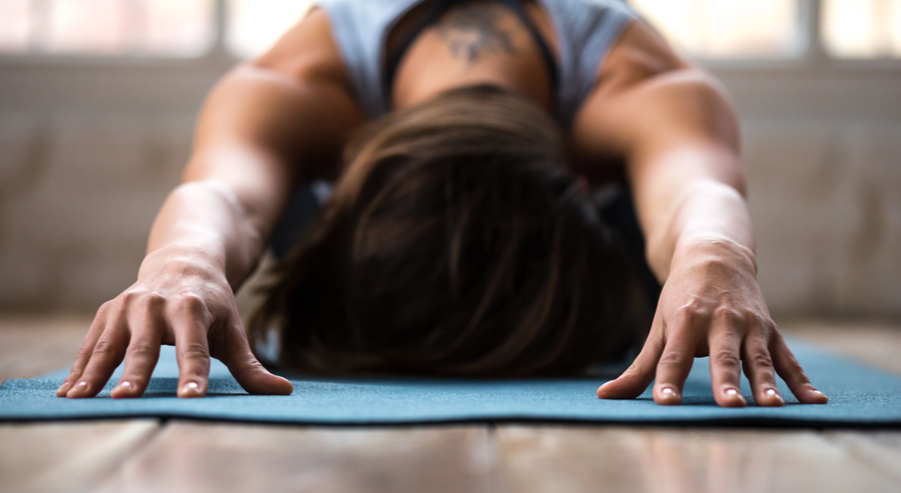
- Choose contained shapes (e.g., Supported Child's Pose, Deer) rather than deep hip openers early on.
- Use a weighted blanket or firm pillow across the pelvis for grounding.
- Anchor attention with counted exhales (inhale 4, exhale 6) to downshift arousal.
FAQs About Yin Yoga
Is Yin the same as restorative yoga? Not exactly. Both are slow and supported, but restorative aims for near-zero stretch and maximum comfort to facilitate deep rest. Yin includes mild-to-moderate, sustainable sensation to gently stress connective tissues while cultivating calm.
Will Yin make me more flexible? Flexibility may improve as tissues adapt and guarding decreases, but the primary goal is functional, comfortable range and nervous system ease, not circus-level mobility. Strong, stable muscles remain essential.
Can beginners do Yin? Yes. Start with shorter holds (2 to 3 minutes), robust props, and clear exits. A qualified teacher can help you find positions that suit your body.
Is Yin safe for back pain? It can be, especially when poses are supported and ranges are modest. People with disc injury, nerve symptoms, or osteoporosis should work with a clinician and an experienced teacher to tailor the practice.
Does Yin "release trauma"? Yin can support regulation, body awareness, and agency, useful ingredients in trauma recovery. However, healing trauma typically requires a multimodal approach that may include therapy, medication, and community support. Yin is an adjunct, not a stand-alone cure.
What if I can't be still? Start smaller. Try 60 to 90 second holds and focus on even, quiet breathing. Build up gradually. Restlessness often eases as the nervous system learns the rhythm of the practice.
A Breath to Anchor Your Practice
If you remember only one technique, make it the extended exhale. In any pose, or sitting at a desk, breathe in through the nose for a slow count of four and out for a slow count of six. The slightly longer exhale helps switch off alarm signals and invites the body into a steadier state. Combine this with mindful, supported shapes, and you have the essence of Yin.
To try it now: sit upright or recline with support, inhale for a count of four and exhale for a count of six for two minutes, then notice one concrete change in your body, temperature, muscle tone, or heart rate.
When to Seek Professional Guidance
Pause practice and consult a professional if you experience persistent pain, worsening mood, panic attacks, sleep interruption, or dissociation during sessions. An experienced Yin teacher can adjust poses and props; a clinician can help individualize breathwork and pacing. Consider seeking support if you have complex medical conditions or recent injuries, if you live with trauma-related symptoms or active substance use, or if you are unsure how to modify poses for your body.
Yin yoga offers a practical way to calm the nervous system, soften chronic tension, and build emotional resilience. No flexibility or prior experience is required. If you'd like a personalized Yin routine to support anxiety, sleep, or recovery from burnout, the team at Healing Sky can help you design a plan that integrates movement, breath, and mental health care.