Written by Healing Sky Editorial Team. Clinically reviewed by Raul Rodriguez M.D.
Zazen looks deceptively simple: sit still, breathe, stay alert. Yet that stillness trains attention, steadies emotions, and builds the kind of clarity that carries into daily life. Regular practice can reduce stress and anxiety, improve mood, and strengthen self-regulation. No special beliefs are required to start. The only requirements are a body, a breath, and a few minutes of honest practice.
Zazen in Plain Language
Zazen literally means "seated meditation." The practice developed in Zen Buddhism, yet it is not religious instruction. It is a method of training the mind. The goal is not to erase thoughts or chase bliss. The aim is to sit upright, pay close attention to body and breath, notice thoughts and feelings as they arise, and let them pass without clinging or pushing away. Over time, this builds calm alertness, flexibility, and insight into how the mind works.
In mental health terms, zazen strengthens the pause between impulse and action. When a person can spot a worry, craving, or angry thought before it sweeps them away, they suffer less and choose better. The practice is about noticing and releasing, not forcing the mind to be blank, and it requires no adoption of spiritual beliefs.
How Zazen Works in the Brain and Body
When a person sits, breathes naturally, and returns to the present again and again, they are training neural pathways that support self-control and emotional balance. The breath steadies the body; the body steadies the mind. Posture and slow, natural breathing tend to reduce sympathetic overdrive (the fight-or-flight response) and allow the parasympathetic system to anchor the nervous system. The mind learns a quieter baseline, and it becomes easier to meet difficult moments without being overrun.
Three shifts tend to emerge with consistent practice. Reactivity decreases: spiraling thoughts are caught sooner and stepped out of faster. Interoception improves: early signals of stress such as jaw tension or a tight chest become noticeable before panic or anger peaks, creating room to intervene. And perspective shifts: thoughts begin to register as events in the mind rather than facts that must be obeyed.
The Core Posture: Stable, Upright, Relaxed
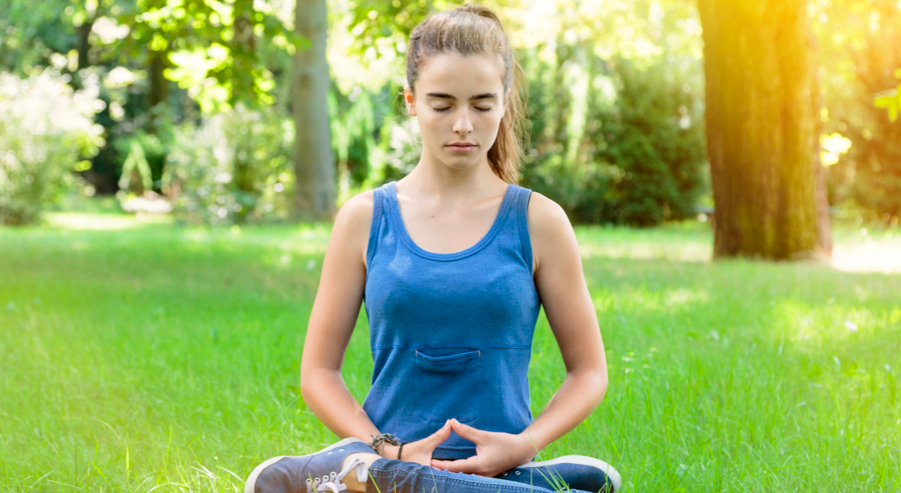
Posture is not a test of endurance. It is a firm but kind container that helps the mind stay alert. The spine should be upright as if a string lifts the crown of the head, maintaining natural curves without over-arching or slumping. A slight chin tuck lengthens the back of the neck. Shoulders relax; the chest softens without collapsing. Eyes stay softly open and unfocused, gazing down a few feet ahead. Half-open eyes keep the practitioner awake and grounded. Breathing through the nose, the breath is left natural rather than forced or shallow.
For the seat, a firm cushion (zafu), kneeling bench, or chair all work. If sitting on a cushion, the legs cross in whatever posture can be held without strain. In a chair, feet rest flat on the floor, hip-width apart. Hands rest in the lap in a simple mudra, left hand on right with thumbs lightly touching, or palms resting on the thighs. If pain builds during a sit, adjusting mindfully is appropriate. The point is steadiness, not suffering.
Two Main Styles: Shikantaza and Koan Practice
Zazen includes two broad approaches. Both train presence, but they direct attention differently. Shikantaza, meaning "just sitting," is open awareness: the practitioner rests in the posture and allows sensations, thoughts, and emotions to come and go without chasing any particular object, returning again and again to the bare fact of sitting and breathing now. Koan practice takes up a traditional question or paradox given by a teacher. The koan sharpens attention and invites a direct, non-conceptual response. It is not intellectual puzzle-solving; it is intimate inquiry.
For mental health support, beginners usually start with shikantaza or a hybrid that uses the breath as a light anchor. A qualified teacher can help a practitioner explore koans once posture and presence are steady.
Step-by-Step: Your First 10-15 Minutes of Zazen
A short, consistent practice works better than occasional marathons. Here is a simple way to begin.
- Set a timer for 10-15 minutes. Choose a quiet, safe place.
- Sit in your chosen posture. Lengthen the spine, soften the shoulders, and settle your gaze.
- Take three gentle, deeper breaths. Then let the breath return to natural.
- Choose an anchor: follow the feeling of the breath at the nostrils or belly, or stay with the whole posture, sitting, breathing, seeing.
- Thoughts will come. When you notice you've drifted, name it silently ("thinking," "planning," "remembering"), then return to the breath or posture without judgment.
- If you feel dull or sleepy, open your eyes a bit more, straighten your spine, or take one slow, deliberate in-breath.
- If anxiety rises, widen attention to include the whole body and the room. Feel your feet, your seat, and the contact points. Let the breath lengthen gently.
- Close with one exhale felt from start to finish. Bow your head slightly in acknowledgment of the effort.
Each gentle return to the breath is a repetition at the mental gym. End on time, reliability builds trust in the practice.
What to Expect Week by Week
Zazen's benefits tend to unfold gradually, with natural ups and downs. Progress is not measured by how calm a single session feels but by how a person responds to life between sessions.
In the first one to two weeks, restlessness, a wandering mind, and some sleepiness are common, alongside brief pockets of quiet. By weeks three and four, awareness of body tension and habitual patterns tends to sharpen, and returning to the breath becomes easier. In months two and three, more space around emotions typically emerges, along with fewer knee-jerk reactions and better focus at work or school. Over the longer term, a subtle but real steadiness develops, the mental "background noise" gets softer. A rough session is not failure; it is training under real conditions.
Mental Health Benefits and Limits
Zazen is not a cure-all, but it is a strong ally when integrated with therapy and, where appropriate, medication. People who practice consistently often report decreased baseline anxiety and quicker recovery after stress, improved mood regulation with fewer ruminative spirals, better sleep onset from a calmer nervous system, greater self-compassion with less perfectionism, and more patience in relationships and parenting.
The limits matter equally. Zazen supports but does not replace evidence-based treatments for major depression, bipolar disorder, psychotic disorders, or severe PTSD. For bipolar disorder, long or intense sits should be avoided during manic or hypomanic states; sleep and medical care take priority. For psychosis-spectrum conditions, practice should occur only under clinical guidance, with sessions kept brief and with strong orientation to the environment. Used within a larger mental health plan, zazen can complement therapy modalities such as CBT, DBT, ACT, or trauma-focused care.
Zazen vs. Other Meditation Approaches
Different methods work for different minds. Mindfulness of breath uses the breath as the primary object; zazen often uses posture and open awareness, leaning more on "just sitting" with everything that arises. Concentration practice (samatha) narrows attention to stabilize the mind, while zazen allows broader, open presence, many practitioners blend them, using brief breath counting to settle before opening awareness. Mantra-based approaches such as transcendental meditation repeat a phrase to steady attention, whereas zazen is non-conceptual and typically silent. Body scan and progressive relaxation methods sequence through body parts; zazen is stationary and holds the whole field of experience at once. Yoga is movement-based; zazen is stillness-based, and the two complement each other.
If zazen's openness feels too vague at first, lightly anchoring to the breath builds the stability needed to open up later.
Common Obstacles and How to Adjust
Obstacles are not problems to eliminate; they are material for practice. Physical pain calls for a posture adjustment, a chair or kneeling bench, or small micro-movements between breaths to lengthen the spine and relax the jaw before re-settling. Sleepiness responds to opening the eyes more, sitting earlier in the day, or shortening the sit and adding a brief walking meditation beforehand. Racing thoughts can be met by labeling "thinking" softly, exhaling longer for a few breaths, then widening awareness to include the whole room. An anxiety spike calls for keeping eyes open, feeling contact points, and tracking the out-breath with the quiet reminder: "Safe, sitting, breathing." Perfectionism dissolves when scorekeeping is replaced with consistency, one honest minute counts. For the "no time" obstacle, attaching zazen to an existing routine (after brushing teeth, before coffee, right after work) keeps the thread alive. Two minutes is enough.
Throughout the day, brief micro-practices extend the training: one breath truly felt before answering a message, standing zazen while waiting in line with posture upright and attention open, or a full exhale each time a hand touches a doorknob.
Trauma-Sensitive and Clinical Considerations
If there is a history of trauma, stillness can surface memories or body sensations that feel overwhelming. The solution is not to push through longer sits; it is to reduce the dose and widen grounding. Practice with eyes open and clear visual anchors in the room. Keep sits brief, two to five minutes, and follow with movement or orienting: looking around and naming what is visible. Anchor in sturdy sensations such as feet on the floor or contact with the chair rather than the inner body if the inner body feels unsafe. Supportive self-talk, soothing objects, a weighted blanket, or music afterward can help build a sense of safety. Partnering with a trauma-informed therapist to pace exploration is strongly recommended.
Pause practice and consult a clinician if any of the following occur:
- Flashbacks that cannot be stabilized, strong dissociation, or panic that persists after sitting
- Worsening depression or suicidal thoughts
- Sleep disruption linked to late-night meditation sessions
Zazen should increase freedom, not distress. The practice should be modified to fit the nervous system, not the other way around.
Building a Sustainable Practice
Consistency turns zazen from a technique into a trait. Starting small, five minutes daily for two weeks, then eight to ten minutes, aiming for fifteen to twenty minutes when ready, is more effective than ambitious sessions that don't stick. Sitting in the same seat at the same time helps the brain switch into practice mode quickly. Tracking lightly, noting time practiced, energy level, and one sentence about the sit, reveals patterns without turning practice into a performance review. Pairing sitting with a few stretches or a three-minute walk reduces restlessness. Even occasional group sits or guided sessions boost adherence over time.
When practice feels stale, returning to posture basics, trying brief koan work with a teacher, or alternating sitting with slow walking meditation can refresh it. Reliable indicators that practice is taking hold include returning to the present a little sooner and with less self-criticism than the previous month, difficult emotions still arising but feeling less hijacking, and people nearby noticing more patience or steadiness.
Guided Practice: A Brief Script
Read this slowly once, then set a timer and practice.
- Sit upright and relaxed. Feel the support beneath you.
- Let the gaze rest softly on the floor or a blank spot.
- Take a slow, natural in-breath; feel the out-breath all the way to the end.
- Notice the body breathing itself. Nothing to fix.
- If a thought grabs you, name it "thinking," and return to the feeling of sitting and breathing.
- If emotion arises, make gentle room for it, like opening a window. Breathe once with it, then come back to posture.
- Widen attention to include sounds and space around you, nothing to chase, nothing to push away.
- When the timer ends, feel your feet, open your gaze fully, and stand up slowly.
Two minutes of this counts. Ten minutes deepens it. Twenty minutes changes the day.
Zazen for Anxiety, Depression, and Focus
For anxiety, zazen teaches a steady, non-reactive posture toward the body signals that anxiety amplifies. The eyes-open stance and gentle out-breaths calm the system, and over time fear-based stories lose their grip. For depression, the upright posture can counter slumped, low-energy patterns, and the practice invites curiosity toward dullness and rumination without wrestling them. Pairing zazen with behavioral activation, small, concrete actions, supports recovery. For focus difficulties and ADHD features, short, frequent sits build attentional stamina; a tactile anchor such as hands touching or feet pressing can enhance engagement, and brief walking meditation between short sits helps reset. For insomnia, a ten-minute early evening sit can reduce hyperarousal, but meditating in bed when sleepy should be avoided; good sleep hygiene remains essential alongside the practice.
If symptoms are severe or worsening, a comprehensive treatment plan takes priority. Meditation is a tool, not a test of willpower.
Zazen at Home vs. with a Teacher
Starting at home is entirely valid. Self-guided practice is flexible, free, and fits any schedule, and it encourages personal responsibility and discovery. Over time, most people benefit from some guidance. Working with a teacher or group helps refine posture and attitude, provides accountability and support during rough patches, and opens access to deeper methods like koan practice and trauma-informed adjustments.
If a group or teacher emphasizes conformity over care, or dismisses mental health concerns, that is a signal to step away. Zazen should cultivate wisdom and compassion, not tension or fear.
Frequently Asked Questions
How long should I sit? Start with 5 minutes daily. Build toward 15-20 minutes as it becomes sustainable.
Morning or evening? Morning tends to be steadier, but the best time is the one that will actually be kept. Avoid sitting right before bed if it produces alertness.
What if I can't sit on the floor? Chair zazen is fully valid. Upright, stable, relaxed, that is the essence.
Should I listen to music? Zazen is usually silent. If ambient noise is distracting, white noise works; otherwise, choose a quieter time.
What if I cry or feel angry? Let it come and go without self-judgment. If emotion overwhelms, open the eyes wider, ground in the room, and shorten the sit next time.
Do I need special gear? A firm cushion or chair is enough. Comfortable clothing helps.
How is zazen different from just relaxing? Relaxation is a byproduct. Zazen adds alertness, clarity, and training in non-reactivity.
A 4-Week Beginner's Plan
- Week 1: 5 minutes daily, chair or cushion. Focus on posture and natural breath.
- Week 2: 8-10 minutes. Label thoughts softly ("thinking") and return. Add one 2-minute walking meditation on three days.
- Week 3: 12-15 minutes. Begin opening awareness beyond the breath to include sounds and space.
- Week 4: 15-20 minutes. Try one session of shikantaza with posture as the primary anchor.
Missing a day calls for no guilt. Sit the next day. Continuity is stronger than intensity.
Bringing Zazen into Therapy and Daily Life
Zazen integrates well with psychotherapy. In CBT, it helps identify automatic thoughts before they spiral. In DBT, it strengthens distress tolerance and wise mind. In trauma therapy, a trauma-informed meditation plan can support grounding between sessions. Before a therapy session, two to three mindful breaths can clarify intention. During a session, pausing to feel feet on the floor when strong emotions arise provides an anchor. Afterward, five minutes of sitting can consolidate insights and settle the nervous system. At work or school, one breath before starting a task and one breath before switching tasks extends the practice into the day.
Your Next Step
Choose a seat, set a timer for five minutes, and let the breath come and go while sitting upright, relaxed, and awake. Then do it again tomorrow. Small, consistent steps reshape the mind.
Healing Sky can connect you with a provider who integrates practices like zazen into personalized mental health care. If you are dealing with anxiety, depression, trauma, or attention difficulties, a matched provider can guide you in adapting meditation safely and effectively, blending zazen with therapy that fits your goals. Reach out to schedule a consultation or to ask questions about trauma-sensitive modifications.