



How Does Someone's Risk Of Overdose Change With Recovery?
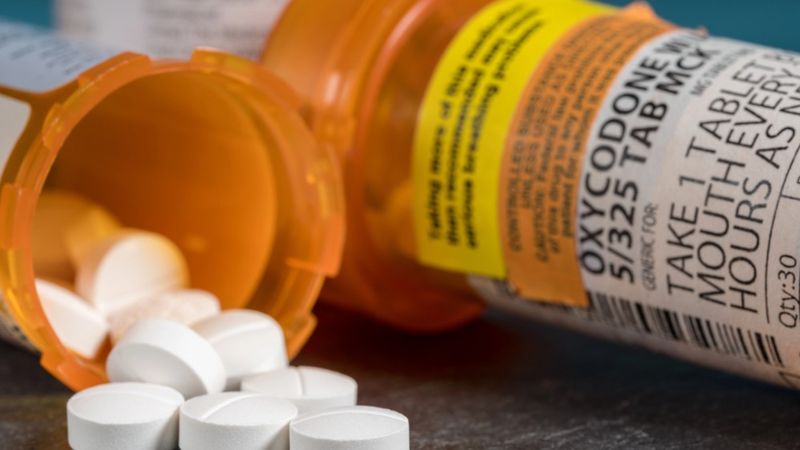
This video explains the physiologic reasons why someone's risk of overdose will change at different stages of recovery.
Transcript
0:00How does someone's risk of overdose change when they go into recovery?
0:06I'm going to tell you.
0:07I'm Dr. Rodriguez with Healing Sky, I'm also the medical director of the Delray Center
0:11for Healing, and today we're going to talk about how somebody's risk of overdose will
0:16change when they go into recovery.
0:19When somebody's using drugs, even while they're still using drugs, their risk of overdose
0:24will change over time in all different directions.
0:28In some ways, they develop tolerance and they might have a little more resistance to overdose,
0:33but with continued usage and with increasingly reckless behavior, the behavioral risk of
0:39overdose can increase.
0:40They might become more impulsive, more desperate, might use a larger amount, and that could
0:44kill them.
0:45Also, over the course of time, their supply of drugs may change, so they might have different
0:51drugs from different suppliers and this changing of suppliers, changing of drugs, or changing
0:57of with a source where it came from, can lead to changes in potency, which can dramatically
1:04increase the risk of overdose.
1:06And the longer somebody is doing drugs, meaning over the course of months and even years,
1:11the more likely they're going to have to change sources and the more likely they're going
1:15to experience an abrupt change in the potency of what they are using, and that dramatically
1:21increases the risk of overdose.
1:24Also, when somebody stops using drugs and they go into recovery and they have lost their
1:30tolerance for drugs, their risk of overdose will increase dramatically.
1:36The amount of drugs they were used to using before, they are no longer tolerant to.
1:42And one of the most common scenarios where somebody could accidentally overdose if they're
1:47in recovery is they go back and try to use anything close to what they used to use before
1:54when they were still tolerant.
1:57If they do that and they're not tolerant anymore, the overdose is all but assured.
2:02It can happen very easily.
2:04That is not good and that is very dangerous.
2:07So when somebody has stopped using drugs, they must realize their tolerance will go
2:11away.
2:12It'll be much lower.
2:14And if they go back to use drugs, they will be more sensitive to it.
2:19Sometimes they actually become hypersensitive to it and a really small amount of drugs can
2:24cause them to overdose.
2:25It doesn't make sense logically, but the way the brain works and the way the brain adapts
2:31to drug use, drug addiction, and then recovery, it can be variable and somebody can have a
2:37hypersensitivity reaction, which is part of why a relapse is so dangerous because you
2:43don't know how your body's going to respond.
2:46You can't assume your body's going to respond the way it used to.
2:51Certainly your tolerance is lower and going back, anything can happen and it can be really,
2:56really bad.
2:58So be aware if you're still using, the risk of overdose will change.
3:02It will often get worse.
3:04And if you become more tolerant, just what happens with the drug use over time, the change
3:10in supply, the change in behavior, the risk of overdose goes higher.
3:15And then when you go into recovery, because your tolerance drops and your brain and body
3:20can become hypersensitive to the drug, any relapse can be exquisitely dangerous.
3:27If you have an opiate issue and would like help, you can find a provider here on Healing
3:31Sky or if you would like for me to help you, you can find me at DrSensory.com.
3:37Also please like, follow, and subscribe to my content if you would like to learn more
3:41about opiate dependence or addiction or relapse prevention.
3:45Also please look for my podcast launching in the fall of 2026.
3:50Thank you.
Related videos



Join Healing Sky
Sign up now to get unrestricted access to Healing Sky's online mental health directory, resources, and more!
Sign up now
 N/A


Share this video
Send this video to someone who might find it helpful.