


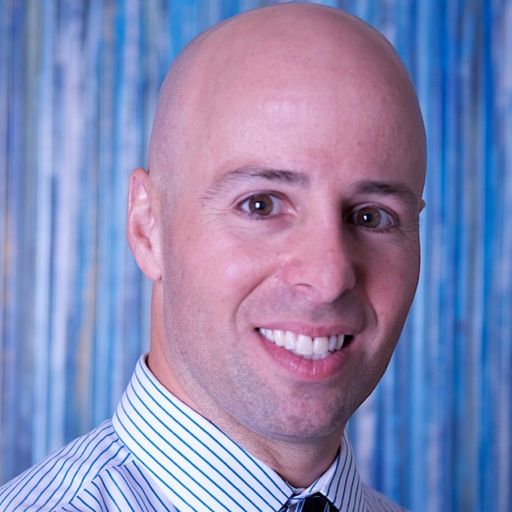
(Part 1 Of 3) What Are The Worst Things I Could Do If I Had Schizophrenia Or Schizoaffective Disorder?
(Part 1 of 3) This video describes the worst things someone could do if they had Schizophrenia or Schizoaffective Disorder, including management of their treatment and lifestyle choices.
Transcript
0:00What are the worst things I could do if I had schizophrenia or schizoaffective disorder,
0:12knowing what I know as a double board certified psychiatrist?
0:16I'm going to tell you how to avoid these problems.
0:19I'm Dr. Rodriguez from Healing Sky.
0:21I'm also the medical director of the Delray Center for Healing, and we're going to talk
0:25about what are the worst things somebody could do if they have schizophrenia or schizoaffective
0:31disorder.
0:32This is part one.
0:35So the first thing, the very obvious one, one of the absolute worst things to do or
0:40have if somebody has schizophrenia or schizoaffective disorder is to not accept their diagnosis,
0:50to be in denial.
0:52That is a problem, and yet that is a common problem, and sometimes that is even a function
0:59of the condition.
1:00A lot of these conditions in mental health have certain kind of nuanced side symptoms
1:07where in addition to the main symptoms, such as in a psychotic condition like schizophrenia
1:14or schizoaffective disorder, there may be hallucinations, there may be paranoia.
1:20There's also some other kind of associated symptoms.
1:23One of those often is that denial or that lack of awareness, a complete lack of awareness
1:30that they even have this condition or any condition.
1:33So the problem with that is obvious.
1:35If you don't believe you have the condition, why would you take any medication for it?
1:39Why would you accept any help for it?
1:41Why would you?
1:42You don't have anything.
1:43Nothing is wrong with you.
1:44It's everybody else.
1:45That's a problem because these conditions very much so require treatment.
1:49They require active treatment and not receiving treatment is very problematic.
1:55So the first thing that must be resolved when somebody has one of these conditions is to
2:01find a way to accept the diagnosis and then accept the proper treatment.
2:06Very essential, very important.
2:08Otherwise it's going to be bad.
2:10These are conditions that require treatment.
2:13They require medical treatment.
2:14There's no way around it.
2:16It's impossible to treat without medication.
2:19It's absolutely, utterly impossible in any scenario to treat without medication and trying
2:25to do so or just resisting treatment altogether has catastrophic consequences.
2:32Baker acts, arrest, death, I mean it's bad, it's really bad, not an option.
2:39Now the next thing, as far as the worst thing somebody could do if they have schizophrenia
2:44or schizoaffective disorder is to then refuse treatment.
2:49Now in this case, the person has accepted to have the condition, but now for whatever
2:53reason they are refusing treatment.
2:56This is another common problem happens all the time and it often results in somebody
3:02going to the hospital in a situation that could have been avoided had they just gone
3:07along with and accepted their treatment.
3:10Again, these conditions, they require treatment.
3:12There's no way around it.
3:14It's impossible to handle without treatment, without medical treatment, and when it is
3:19refused in any way for any extended period of time, and by extended I mean even a matter
3:25of a few days, these conditions become active.
3:29The person often unravels and they can become a harm to themselves or somebody else.
3:35It's not good.
3:36They often end up in the hospital, sometimes arrested, sometimes hurt, sometimes shot by
3:41the police even or by somebody else.
3:43Bad things happen when these conditions go untreated.
3:46It's not an option.
3:49So again, accepting the diagnosis is essential and then once that diagnosis is accepted,
3:55accepting and adhering to treatment is critical.
3:58Otherwise, nothing good will happen.
4:00It will always be a problem.
4:02It will always be catastrophic consequences.
4:05These are not, I repeat, these are not mild conditions.
4:09In the modern era, they are now very treatable conditions though because we have a lot of
4:15new and modern medications that are very effective that can help a lot, but they only help if
4:21you take them.
4:22If they're not taken, they're not going to help much.
4:24So by nowadays, it's so much better than it was 30, 40 years ago and certainly much better
4:29than it was a hundred years ago where now we have really good advanced modern medications
4:35that have come out onto the market that can change the course of somebody's life and people
4:39can live a much healthier and happier and sometimes even partially productive life with
4:45some of these major conditions.
4:46It's not what it used to be if the person adheres to treatment.
4:52I hope you find this helpful.
4:55There's be more parts of this series coming up very shortly.
4:59Please look for my podcast called The Smiling Brain here on Healing Sky.
5:03If you would like to see me as a psychiatrist, you can find me at DelrayCenter.com or here
5:09on HealingSky.com.
5:11Thank you.
Related videos



Join Healing Sky
Sign up now to get unrestricted access to Healing Sky's online mental health directory, resources, and more!
Sign up now
 N/A



Share this video
Send this video to someone who might find it helpful.