


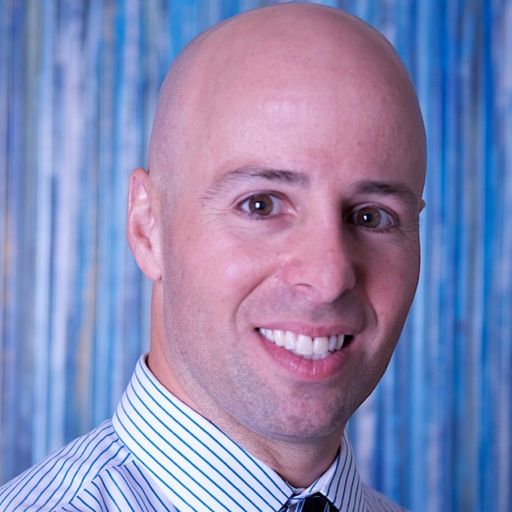
The Relapse Interrupted Podcast With Dr Raul J. Rodriguez, With Guest Marc Kantor. Season 1 Episode 1
This is The Relapse Interrupted Podcast with Dr Raul J. Rodriguez, MD, with guest Marc Kantor. Season 1 Episode 1. Marc Kantor is a prominent interventionist who provides valuable insights into substance abuse and mental health interventions as well as recovery itself.
Transcript
0:00Well, hello, welcome back to Relapse Interrupted.
0:13I'm Dr. Rodriguez.
0:14I'm the founder of Healing Sky.
0:17I'm also the medical director of the Delray Center for Healing, and I am a double board
0:20certified psychiatrist, and I have my co-hosts here, September Miller, LMHC, and the director
0:26of Outreach and Business Development for the Delray Center.
0:30And today, our esteemed guest is Mark Anter.
0:33Good morning.
0:34Thank you for joining us, an interventionist, extremely good interventionist.
0:40So thank you.
0:41Thank you for coming.
0:42Thank you.
0:43Thank you for coming.
0:44It's a pleasure to meet you, well, to have the full, full meeting.
0:46Yes.
0:47September, it was funny.
0:49This has never happened before.
0:50So I'm there.
0:51I got to the restaurant first, you know, just after work, going to dinner, you know, waiting
0:56for my wife to show up there.
0:57I was on a call, and I walk in, and it's like, this family's looking at me, and, you know,
1:00I get that a lot, you know, that people, usually it's like a patient, and I'm there looking
1:03over there, and I'm thinking, I don't, I don't remember.
1:06We thought you were a politician.
1:07I know.
1:08I was funny, like, I think it's because of these cufflinks, I think that gives that politician
1:13vibe.
1:14But as many of them are looking at me, I'm looking at each of them, thinking, wait, I
1:16don't recognize her.
1:17I don't recognize her.
1:18Like, I didn't, like, I don't tweet any of these people.
1:19Like, what, I'm hoping I didn't do anything offensive, that they recognize me for something,
1:22that you come over, and you say who you are, like, oh, my goodness, you're gonna be on
1:26my podcast next week.
1:28And I just thought it was, it was, it was so random, and so funny.
1:31Good restaurant, though.
1:32Yeah, Rancho Rito.
1:33So, if you're in the Boca area, Rancho Rito is a very good Colombian restaurant.
1:37We both approve.
1:38Yes.
1:39We both recommend it highly.
1:40Yep.
1:41It's on our favorite list.
1:42Yeah.
1:43Yep.
1:44Excellent.
1:45Well, thank you for joining us.
1:46Thanks for having me.
1:47So, so, you're an interventionist.
1:48Yes.
1:49So, how long have you done this for?
1:50I first started doing interventions, or getting my foot in the water of it, in 2014.
1:56Okay.
1:57Yeah.
1:58So, coming up in about 12 years.
2:00Oh, wow.
2:01But it's not my first career.
2:02My first career was in commercial real estate.
2:04Oh.
2:05And I like to say that I am a failed commercial real estate broker.
2:09I did that for about 21 years.
2:12The first three years were good, the next 18 were tough.
2:17But I had to stay in it just to make sure.
2:19You know how we do.
2:20Yeah.
2:21We doubled down.
2:22We doubled down.
2:23So, yeah.
2:24Yes.
2:25We humans double down.
2:26And then I reached a, what I would call a crisis of faith.
2:29And I said, I just can't do it anymore.
2:32It's not working for me.
2:33I need to do something different.
2:35And it was actually my then 15-year-old daughter who said to me, dad, why don't you do intervention?
2:41Really?
2:42Yeah.
2:43She came up with that?
2:44Yeah.
2:45Yeah.
2:46And I had started to get interested in it earlier.
2:50And I took some of the certification courses.
2:54I said, I'm going to do this.
2:56But the way the human spirit is, there's fear.
2:59And fear would always bring me back to the, to not what was working, but to what I knew.
3:06And I had reached a point where I'd gone through, is when we moved down here in 2018.
3:14And I was, went through a long funk.
3:19A good three or four months of, I don't know what I'm going to do.
3:24And I knew that, you know, I'm in recovery.
3:29I knew I couldn't drink.
3:32I can't kill myself and I can't have an affair.
3:34Those are the rules, right?
3:35Okay.
3:36Good rules.
3:37Good rules.
3:38You can't come back from this.
3:39And one of them, you really can't come back.
3:42And we, her and I were having dinner one night.
3:46And she just looked at me out of the blue and she said, dad, why don't you start doing
3:49interventions?
3:50And it just hit me.
3:51I said, yeah, yeah, that's what I'm going to do.
3:54And that was it right there and then.
3:57Really?
3:58Yeah.
3:59I mean, for a 15 year old to come up with something like that, that's, well, incredibly
4:03like thoughtful and insightful.
4:05Yeah.
4:06I mean, how did she come up with that?
4:07Well, she'd seen that I had an interest in it.
4:10She and I had taken some courses and she was very aware, her and I are very in tune with
4:14each other.
4:15We still are.
4:16We're very close.
4:17And she could read my emotions.
4:20She still can.
4:23I can't hide anything from her.
4:25If I call her and within a second, she'll say, what's wrong?
4:29And I'll say, oh, no, no, nothing, nothing's wrong.
4:32What's wrong?
4:33And I know until I share what's wrong or what's on my mind, the conversation is not going
4:39to continue.
4:40She knows.
4:41And so she, she was very intuitive and she, she knew how I was feeling, what I was going
4:45through.
4:46No matter, it's very hard to hide.
4:49I'm one of those people who, you know how I feel very quick, very hard for me to pretend
4:57to feel a different way or put on a mask.
5:00I'm very authentic like that.
5:02I joke that if I were a character in a movie, the killer's coming, the killer's inside the
5:09house with you, I'd be dead because I would say, don't say anything, the killer's with
5:15you.
5:16And I was going to turn to the guy and say, oh my God, you're the killer?
5:19I can't believe it.
5:21So I really have no ability to hide.
5:24I have no poker face.
5:26And so I would say rule four is don't gamble.
5:30Yeah, that's that one.
5:32I'm a big anti-gambler.
5:34Well, I think the other gamblers wouldn't believe it.
5:36They'd be like, oh, this can't be true.
5:38He's not telling us everything.
5:39This must be his poker face.
5:41Yeah, it can't be that easy.
5:42Yeah.
5:43Well, no, I'm either have a very difficult time.
5:47I've gotten better.
5:48I've gotten older in that I don't have to react to my emotion.
5:54When I was younger and I was before sobriety or new in sobriety, you just feel like a dog
6:00that's being thrown a ball.
6:02I mean, just wherever the ball goes, you go, you have no ability to say, I'm not going
6:05to chase that ball.
6:06And that ball is not for me.
6:07You just chase it.
6:09And I think one of the things you do learn in sobriety and I think in maturity in general
6:14is that you don't have to go to every fight that you're brought to, that you're asked
6:21to come to.
6:22You don't have to.
6:23We don't have to discuss it now.
6:26One of the most important lessons I ever learned was from my first sponsor.
6:32I was new in sobriety and it was the last time my wife and I had gotten into a really
6:36big fight.
6:39I didn't know that he was yelling at each other.
6:42And I called him and he said, had it ever occurred to you that you could listen to whatever
6:46she has to say no matter how wrong she may be and just listen and not respond and then
6:51go away?
6:52And I, no, no, that had never occurred to me that if that was an option in life, that
6:57you could hear what somebody has to say, not respond.
7:00Thank them for sharing that and go away and think about it and come back the next day.
7:05And what I found that is most of the time, there's no reason to ever go back to have
7:12the second follow-up discussion.
7:14They don't remember what they were upset about.
7:17You don't remember.
7:18And it doesn't matter.
7:20It's a small thing.
7:21It was a small thing.
7:22It was a momentary thing.
7:23And if you just let it pass, it will pass.
7:27Someone told me early on, your problems will die in the glass.
7:31I think that's true.
7:33And it does make sense because a lot of people fight over, you know, small things and they
7:38make, they react to a small thing and then it feels like a big thing.
7:46But really what's big is the reaction.
7:48The reaction is big.
7:49The problem is small or trivial.
7:51And then if you have somebody else who reacts back, who mirrors the first person's perhaps
7:57overreaction and you have them mirroring another overreaction and then it becomes about, you're
8:04fighting about the reaction.
8:05Right.
8:06Like I'm mad at you because you're mad at me and you cursed at me and you said all these
8:10bad names over whatever small thing.
8:13And sometimes you even lose sight of what you even started fighting about.
8:16Yeah.
8:17You're just fighting about fighting.
8:18I completely agree with the argument then because you're mad.
8:23I'm really mad.
8:25Or we had an early marriage.
8:28Oh, you're depressed.
8:29I'm really depressed.
8:30I'm much more depressed than you think you are.
8:33And it's crazy because the truth is, you know, I don't want any of that.
8:40You know, I don't want to be depressed and I don't want to be angry.
8:43And there does come a point where you just say, I'm giving it all up.
8:47I'm turning it all over.
8:48I'm giving it all up.
8:49I'm not doing that anymore.
8:50And I think it works.
8:52I think that mind shift does work a lot.
8:55And I'm not talking about people who are clinically depressed.
8:58I don't want it.
8:59You know, that's a different, I'm just talking about, you know, people that fall into circumstances
9:06like myself.
9:07And that's the emotion of the day where that's the crisis of the day.
9:13I went to a talk not too long ago about a MAGO theory.
9:18And MAGO theory is, you know, about is best described as you marry your unfinished business.
9:26And this person that was teaching the, giving the talk was really very good.
9:33And she said, everything in life is 90-10.
9:35And that really stuck with me.
9:37And the example was the dishes on the sink.
9:42Come on, there are dishes on the sink.
9:44There's always dishes in the sink, especially with kids.
9:47Right.
9:48And I'm a minimalist OCD, right?
9:53So, but I came from a family of, you know, second generation.
10:00Holocaust survivors, a German-Polish family, and everything I was taught as a
10:10place and there's organization and not taking care of things which have been
10:17generously given to you is high disrespect, right? So I walked into their
10:22dishes in the sink and it immediately triggers. And yes, 10% of that is about
10:30their dishes in the sink and 90% of that is my upfront because of
10:36what the dishes in the sink symbolize or what I think they mean to me. They mean
10:42you don't respect them. I'm not. But that's not true. You know, they're just dishes in
10:48the sink. But that was kind of some of the talk and I do try to remember when I
10:53get upset about something or a reaction that it is 90-10. 10% is about that you
10:58relate. 90% is that my upbringing tells me that you don't respect me.
11:05You're constantly working on yourself and you're constantly going to different
11:09educational events and using your wisdom and everything in your interventions.
11:15Sometimes. You know, it's so much easier said than done.
11:23But I think what's true is the struggles never, you know, we're never
11:27healed, we're never fixed. We're always a work in progress.
11:32Well, definitely. The way I always see it in life, it's you're either
11:37improving, you're either growing or you're in decline. There's no such a thing as
11:42OK, I've arrived. I'm good. I can just coast here.
11:45Yeah. I don't believe that exists. I believe if you find yourself in that
11:49situation, it's a psychological trap. I believe if you think that, OK, I'm
11:54cruising, really, you're in decline. Yeah. You just don't realize it.
11:58Yeah. So, it's either you're ascending or descending. There is no flat you have.
12:01So, I always promote and I always try to even with myself and for my clients to
12:06promote, always try to keep growing. Because if you know you're growing, if
12:09you're growing, you know you're not in decline. So, just keep growing, keep
12:13growing, keep growing, keep adapting, you know, physically, mentally, spiritually,
12:17every which way. Just keep growing and that'll keep you out of decline.
12:20If you think it's leveling out, really, you're already pointing down.
12:23And if you think you're in decline, then you're like this. You're really in decline.
12:26Yeah. You're hurtling towards the earth at speed.
12:30I completely agree with that. And there's a saying in the AA that you're either
12:35moving closer to a drink or further away from a drink. You're never stagnant.
12:40You're never. But, you know, you're always moving.
12:47Yeah. Yeah. It makes perfect sense.
12:50So, yeah, it makes perfect sense. Yeah, it's true.
12:53It's true. Yeah. Good. So, all right. So, interventions.
12:57So, you see, you picked on, decided to do interventions, which is for people, for
13:01the audience, I don't know if they know, is not easy.
13:05You're going into one of the most difficult situations.
13:09You have a life that is at risk and you have somebody who has a dangerous habit.
13:15And at the same time, the other, they don't see it.
13:18They're not willing. There's an army of psychological defenses that are up.
13:23That's preventing them from taking the next step.
13:27And the families and friends, they don't they're at their wit's end.
13:31They don't know what to do. And then I guess they call you.
13:35Yeah. So. Right.
13:37I mean, so you're you're in a situation where.
13:42If it's because it's an addiction intervention, it's one thing.
13:45If the mental health intervention, it's another thing.
13:48But when it comes to addiction, you're walking into a situation where the
13:53person's brain has literally been hijacked by it as has been
13:59reshuffled their priorities in life, like like decks of cards.
14:04And they're that's why you see someone on the street and they're addicted.
14:09And how they're without shelter or they're
14:14they're in a tentative situation as far as food and money.
14:19You know, and to us in the unaddicted brain, how simple the solution would be.
14:26You know, you have to you have to go to treatment or detox or you do something.
14:32There are so many free things you can do.
14:36But the the brain.
14:39Believe as has been the deck has been reshuffled and the brain believes that.
14:46Getting and using their drug is survival and that if they don't get it, they won't survive.
14:51When I was in treatment at the Betty Ford Center, I went to the real Betty Ford Center
14:55back in the day when Mrs. Ford was still alive.
14:59There was a guy who came and spoke and his name is Kevin McCauley.
15:03He used to call himself the addiction doctor, but now he's a fellow at Meadows in Wickenburg.
15:09And he. And this was early on, I mean, it's a couple of days and he he does this whole
15:16presentation, he says, you walk into a room and you see a chair.
15:22But before you even recognize that that's a chair, your midbrain, your survival brain
15:27has already said.
15:30Is that is that a threat to my life?
15:33Do I do I do I do I kill it, do I eat it, or do I approach it?
15:39It goes through the the the very basic thing, right?
15:45And then your midbrain says, well, no, it's neither of them.
15:48It's safe.
15:49It hands it over to your frontal cortex, your frontal, your executive function, your frontal
15:56cortex.
15:57And it says, well, no, the bill is comfortable.
16:01Maybe I'll sit down.
16:03But when you're addicted, your midbrain, the the frontal cortex is offline.
16:09It never gets that.
16:11Maybe this is a bad idea, right?
16:13It's just right to it.
16:15The the that executive functioning is not there.
16:19The disease is in control.
16:21The number one priority.
16:22And I remember saying that I remember this very clearly, like it was yesterday, he said
16:27that you feel like if I don't get my drug.
16:32Really bad things are going to happen, in fact, I could die.
16:36And and I remember sitting there and I said, yes, yes, that's that's exactly how I feel
16:43when I was out of out of pills.
16:46I was a doctor shopper.
16:47So when I was out of pills, the I would be in incredible anxiety.
16:52Nothing else mattered.
16:54It was like a tunnel vision came over me.
16:57And the only thing that mattered was I had I had to get more.
17:00And then you have the family on the other side saying, well, just stop.
17:03If you just stop, everything gets better.
17:06Everything goes back to the way it was.
17:08And yeah.
17:09And the person who's using is like, well, no.
17:11Yeah, I can't.
17:13You don't understand.
17:14Yeah.
17:15Yeah.
17:16You know, I, you know.
17:17I if I if I stop, I'll die.
17:19But that's what the the brain has is is telling you.
17:24That's what your midbrain is telling you, your survival brain is telling you if you
17:26stop, you'll die.
17:28It's not true.
17:29And so when you're doing all that, all this to say when you're doing an intervention,
17:34is that you're in a you're up.
17:36That's what you're up against.
17:38And when we do a pretty extensive pre-intervention training and meeting with the family and I
17:46tell them that.
17:48We go in there and, you know, here's the drink in the middle of the table and your addicts
17:54here and the families there and the families can tell you this is the problem and you're
18:01going to say, no, no, no, that's the solution.
18:04So that's the story.
18:07We don't even agree on what we're looking for, right?
18:11And what you hear as the addict is the addicted person hears us saying is you have one solution,
18:19you have one solution, and we're going to take that solution away.
18:24And so their response is, how am I going to survive?
18:28We're going to take the one thing that comforts you away from you.
18:31Yeah.
18:32And there's one thing.
18:33And that's what we want to take away from you.
18:35Right.
18:36That's terrifying.
18:38So for them, it's an all hands on deck, defend this at any cost, because if they take it
18:45away, you'll die.
18:46So do you feel like when you go into an intervention, I guess what I'm saying is, do you ever time
18:52it?
18:53Do you say, OK, well, this person just woke up and they're probably as sober as they're
18:57ever going to be.
18:58Maybe I can talk some sense into them now.
19:00Or do you just go in whenever and do your thing?
19:05So you're exactly on point.
19:06So I like to do interventions early in the morning.
19:09I like to go to the person for a number of reasons.
19:13One is we know where they are.
19:16They haven't had a chance to start drinking or using yet.
19:19You know, sometimes they're still drunk from the night before.
19:24But you know, we want to do everything we can to control what we can control, the environment,
19:31the time and things like that, because there's a lot we don't have control over.
19:35So let's control the things we can.
19:38Most of the most of the people that I interview, you know, they're not visibly drunk or intoxicated
19:44or high or when we get there, when we sit down with them, they are mostly people that
19:52are mostly functioning.
19:56Maybe they've lost their job, maybe.
19:58But they're not.
20:00not falling over drunk they're not they know what's going on they're able to sit
20:04down and have a conversation and it's just their life for so long has been
20:11bumping along the bottom circling the drain as as we like to say a lot of our
20:18clients are men and women who seemingly have it all but their wife and kids can't
20:27stay on the side and they're unhappy you know they have the car they have the
20:33partner at a law firm they own their own business to have money nobody tells them
20:39what to do but they walk in the door and the look of
20:44stain on their wife and their face undeniable but most of the clients we
20:50have are I'm being hired by parents intervene on their children now that
20:57their children could be 14 or could be 44 could be 64
21:03I have a lot of clients where the parents are in their 80s and they're
21:06still dealing with their their kids Wow yeah yeah so I interesting on the timing
21:17so I can see how in the morning you have some advantages you're gonna have
21:22the lowest if you get him right when they wake up after a period of forced
21:27abstinence because they've been sleeping so you have a window where the brain
21:31will be a little rested so that'll help so physiologically it'll be a little
21:36more stable you have a window where the blood levels of whatever substance it is
21:40is gonna be at its lowest that's gonna help they're gonna be hard yeah but
21:44fundamentally what you're dealing with and this you know for our audience to
21:47understand is that addiction but it does definitely kill brain cells but
21:52functionally at its worst moments from day to day yeah parts of the brain that
22:00are they're not dead but they're inactive essential birth rate they're
22:03inactive and you were referring to on the frontal lobes you know like the part
22:08we'd like to target is the dorsolateral prefrontal cortex which is the part of
22:13the brain that is responsible for assessing how bad would it be if it's
22:20for responsible for assessing the severity of a consequence and it's which
22:25that thought that kind of thinking is an advanced form of thinking it's one of
22:30our most advanced brain functions and like anything else if you think of your
22:34car the modern cars have all these fancy electronics but what breaks first the
22:40fancy electronic like the old-school cars that are like roll your windows
22:44down I mean they're kind of a little rough but they don't break yeah right
22:48they don't break there but they're solid the newer cars have all this fancy
22:51technology but it breaks it's very advanced it's gonna be a little more
22:54delicate the same thing applies to the brain where these advanced parts of the
22:58brain they have great functions but they are also the most vulnerable to
23:04mechanical or physiologic disruption and yet the more primitive parts of the
23:09brain the reptilian brain the parts are responsible for you know for eating for
23:13breathing all that those parts because they've been borrowed from lower animals
23:18over millions of years of evolution those are hardwired that's like your
23:22your 67 Chevy with rolled-down windows but it's all analog but there's no
23:28electronics on it whatsoever but I think is like solid that's your apex predator
23:33exactly yeah and that part is in it it's in our brains that's our part is there
23:37that we borrowed it from these apex predators that's what gets the species
23:41to survive at the most basic level and that part will stay online so really and
23:47for me up for viewers and you know families to understand what so what
23:52you're up against is you're dealing with the parts of the brain that are still
23:56active are a lot of parts are borrowed from an apex predator the parts of the
24:00brain that are most in tuned and wired for sheer survival and the parts of the
24:08brain that you reason with the most are partially absent you know so you're so
24:14part of your job is really to assess okay how much of the advanced part of
24:18the brain is available to me right now for me to converse with we're gonna
24:21speak with and then you do what you can with what you have right and make the
24:26most of it right but I want to clear something up so you know the the process
24:30that I use that I've developed it's not necessarily a back and forth discussion
24:37and and and I tell families that if I've we do a two-day process day one with
24:44family day two we we intervene that if I've done my job correctly on day one I
24:50should be very be doing very little indeed more or less just kind of
24:56directing or you know a little tap here a little tap there just kind of
25:00inducting a little bit they're doing right is they're the people that have
25:07that connection they're the people that hold the con the ability to implementing
25:10consequences or affect change in this person's life you know we did I don't I
25:17think the idea that we're gonna sit down and talk you into going to treatment is
25:24isn't as nice you don't let me you back you look I gotta be off 22 years of
25:30sobriety in a couple weeks and I and I and you want me to do a pros and cons
25:36list for you what sober life has gotten me even on the bad day compared to what
25:42it was costing me it it's an impressive list right I mean there's no question
25:47how much better my life is and how much better your life will be but I don't
25:52know that you can hear that so I so our process my process is we we we have the
25:59family lay out where they are so you know so you're an adult and you have
26:05agents they I hear that a lot well I want to make my own decision I'm an
26:09adult I can make them yeah okay that that's true however the decisions you're
26:14making right now are killing you and they're killing the people around you so
26:17you know maybe not but yes essentially legally you have agency you're an adult
26:23but don't forget please don't forget that your family members here your wife
26:28your children your your mom and dad your whoever your best friend your boss they
26:33have agency too you're not the only one here with age so at the end of this
26:38meeting you're gonna do what you want and we appreciate that but please know
26:42that they're gonna do what they want right so that may mean that we're no
26:47longer funding the credit card we're no longer paying the rent we're no longer
26:53you know fill in the blank right you know one of the things I tell people is
26:59never threaten a consequence you're not prepared to carry through you're not
27:05now prepared to implement this the minute you don't implement it your word
27:08means nothing so a big thing is a wife might say to me well I'm not I can't
27:12throw him out of the house I'm not I'm not ready to tell him to leave the house
27:17say okay that's fair are you willing to take the case yes that I'm on that's
27:23easier because that's within my control right well that works too right don't
27:29you're deciding not to go I'm leaving with the kids or I'm leaving don't call
27:36me if you if you decide differently contact Mark but don't call me and and
27:42those and those those that works every you know it's not a fight it never
27:47dissolves into a screaming match it's an orderly process and the way we read
27:54letters yeah and reading the letters is important I know it might feel cliche
27:59and people have seen on TV but as much as you think you know what you want to
28:03say you know when you're looking in the mirror and you're talking yourself in
28:07the bathroom and you're Perry Mason and you get into the room you don't you've
28:11got enough you don't remember right I mean you know how many times does this
28:16happen I'm gonna tell them and I'm gonna get you get in front of them you get
28:21nervous you're nervous you need to be able to follow just read what's on the
28:26paper and that's that's really important and we really flush that out together and
28:31we go around the room and we do it in an order which I where the circle is
28:35getting tighter and tighter we might start with the friend of a family you
28:40know with good family friend who's just simply saying hey hey buddy you know I
28:44love you and I know you're struggling and I want the best for you simple
28:48message right you know then the next person maybe it's the cousin says hey
28:54you know on up together I've seen you I see how you're declining and we're here
28:58to get you help okay so you're you're giving them more and more messages go
29:01around the room so they're getting chance tackle make they know what's
29:05happening but it gives them a chance to think about what's coming and then maybe
29:09a third person is talking about going to treatment day right and by the time you
29:14get down to the heavy which is could be mom at mom or dad depending on what the
29:19relationship is or or or the wife or the husband who's saying and then they're
29:25passed you know you're passed and the difference between parents and husbands
29:29and wives are parents are scared spouses are pissed well they say anger comes
29:36from her yeah yeah the parent parents are afraid something's gonna happen to
29:41my head I'm gonna lose my kid they're gonna die and happen and and and the and
29:45the the wife is passed because she's probably been betrayed she's been lied
29:49to is how to you know a marriage is a mutually beneficial relationship we're
29:57in our relationships because we've been everyone benefits from
30:00But if you suddenly did not benefit from being in a relationship with your husband anymore, there's no benefit.
30:07Why? Why? Why be there? As opposed to with your kids, you know, it's sacrificial.
30:14You're doing it all for them anyway, you know, mostly right until there.
30:19So it's accurate. So it's sacrificial.
30:22There's a little bit of a different approach to it.
30:25Well, parents also, that's kind of a permanent relationship.
30:29There's no real dissolution of no actual real dissolution of, you know, parenthood.
30:34Whereas, I mean, a marriage, you have dissolution.
30:36It's technically it can come to an end.
30:39And statistically, more than half the time it does anyways.
30:43So, yeah, there's that dynamic as well.
30:46Right. Right. And your spouse is going to mark your return to sender.
30:52And I like how you said don't make promises you can't keep, because now you have the person using who's promising probably every day.
30:59I'm going to stop. I'm not doing it. Lying about doing it.
31:02And then you have, you know, the family who's threatening, you know, I'm going to do this.
31:07I'm going to do that. And the person using is like, oh, yeah, they're never going to leave me.
31:10They're never going to do this. They keep saying it. They're not doing it.
31:13And then I see how it can turn into just a whole big.
31:16Everybody is just saying things that they don't mean and nobody really.
31:21And part of it is, you know, going back to that, you know, I know people make fun of me for picking on this.
31:27But it's a really important part of the brain that dorsolateral prefrontal cortex.
31:32You know, part of the issue, part of this, this, these techniques involves you have a part of the brain that is not dead.
31:38But it's minimally functional. And how functional it is will depend on the time of day.
31:43And if you're trying to get something to register in that part of the brain, in this case, you're trying to.
31:52Demonstrate or illustrate or describe a consequence that's going to register, that's going to make that brain go, oh, oh, that would be bad.
31:59Yeah. And when somebody. So.
32:02So first, you got to have, again, the list of these are the potential consequences about people who can deliver these consequences.
32:08And if they're severe enough, it'll register. But only if it actually happens.
32:13Because if it if it doesn't, if they can't follow through with it, then it just it just goes away.
32:17They just doesn't register. Then it just doesn't exist. If anything, it would have been able to make it worse.
32:21Yeah. Better off not saying something that you can't deliver and saying something.
32:25And they're not going to do this. It's just a steamroll ahead.
32:28But, you know, for a viewer, that's like kind of the technique is trying to instill.
32:32I like to pick on survivable consequences.
32:35One that's not going to like, you know, you don't want to kill the person you want.
32:38You prefer to not destroy their career or destroy a marriage or a relationship, but get something that will register.
32:45That will get them to realize, oh, well, this is this is serious.
32:47This is more severe than my usual day to day consequence.
32:51OK, I got to I got to look at what's happening. I got to take a look here.
32:54This is an an alternate threat to my survival.
33:00Correct. And I think that that's it.
33:03Is that, you know, on one hand, they're saying I can't survive without this, this trick or the struggle or whatever it is.
33:09But you're you're the consequences challenging them.
33:14But what can you survive with?
33:17Well, so it was something that will equally challenge their survival.
33:21You know, like getting a place to live, you know, money.
33:24So and then Doc said the big word, enabling, enabling.
33:28How much enabling do you see in interventions?
33:31Of course. But, you know, parents don't even realize they're doing.
33:36Well, enabling it, I mean, I always kind of describe it as it's misguided love.
33:41I love they love this person.
33:43And parents want to protect, you know, and sometimes spouses want to preserve the relationship.
33:47And it's it's a love that you're not protecting.
33:50I keep it going and it's misguided because they don't realize, OK, what you're doing is actually making it worse.
33:56Because you're going up, you're trying to apply love in a logical way to the apex pressure part of the brain, which is not logical.
34:06It follows feeling and it has a different thought process, has a different order of priority.
34:14Yeah, it's still focused primarily on procuring that which it thinks it needs most to survive, whatever the substance is, rather than preserving the other elements of life.
34:25As with addiction, people lose sight of the other elements of life.
34:28They get so fixated on this one, this red button.
34:32This is what is going to make me feel better and help me cope and survive.
34:37They get fixated on that. They lose sight of everything else around them.
34:40Yes. And all the relationships suffer. It's true that that's right.
34:44Their life becomes very small. You're right.
34:47It's misguided love. I tell parents that we inadvertently hurt our children.
34:54We don't mean to, but we do. We think we're saving them and we're not.
34:59We think on some level that if we do what they want, they'll be happy. And they're not.
35:09I always joke that my daughter's closing rate is like 99%.
35:15We want to make them happy. We want to give them what they want.
35:20We think if we give them the next thing that they're asking for, that'll work.
35:24And then that comes up to the whole question of codependency, right?
35:30Yes. That is a big factor, both with enabling and other complex, maladaptive situations.
35:38How does that come up in your work, the codependency, and how does that interfere?
35:42Yeah, well, that's it.
35:45If I give you what you want, you'll be happy and then I'll get what I want.
35:55Codependency, I think, in a way, is very self-evident.
35:58Once I got sober, I got a handle on my program and my recovery.
36:06I started to engage Al-Anon, which is really a program about codependency.
36:15So you went to Al-Anon?
36:17Yeah. I like listening to Al-Anon speakers. I like philosophy.
36:21I like some of the famous writers like P.M. Melody.
36:26There's another big one. There's P.M. Melody and then there's Melody.
36:35Anyway, there's some really good stuff out there.
36:38But yeah, for codependent, and I realized that I was really codependent.
36:49I mean, I need outside approval to feel okay about who I am as codependent.
36:55I need you to tell me I'm okay before I'm okay.
36:58And I think that was a big part of who I am in my addiction and something I brought to my relationship.
37:08And it's stressful for everybody.
37:12I had a day, I realized when I first got sober, I really had nothing.
37:20I really had bankrupted myself and everything.
37:26I was in a lot of pain.
37:27And my wife would call me into her office and say, well, how do you plan to pay this?
37:31How do you plan to pay that?
37:32She was caught up in the sickness too.
37:34I'm not buying her at all.
37:36And the answer was, I have no plan.
37:39I have no plan.
37:40I don't know.
37:41And I would stand there and I would put my arms, hold them, kind of like, yes, man, I'm bad and you're good.
37:50Right?
37:51I'm crap and you're all powerful.
37:55It's a shame and shameless.
37:56And it occurred to me at some point that I could stand there for the rest of my natural born life and she'll never be able to give me the amount of approval I need to be okay with myself.
38:05And there's no point in standing there.
38:08I turned around and walked away and that spell was broken.
38:11We never did that again.
38:12Powerful.
38:13Yeah.
38:14And so codependency is, I need your approval.
38:18Yeah.
38:19So if you're, I say that, you know, it's a good thing that she wasn't Deanna because I would have been doctor shopping for her.
38:26That's how codependent I was.
38:29Now, along those lines, something I've seen, I've seen it in treatment, in the treatment settings.
38:35I don't know if it ever comes up at the intervention level is we've seen, I guess this has some element to do with codependency, but a more, a little more malignant offshoot of it where somebody is in treatment.
38:48We're getting them better.
38:50And now we start to see.
38:54It's hard to tell if it's conscious or subconscious, but sabotaging behavior from the family or the spouse.
39:01Oh, yeah.
39:02And we see that.
39:04And it's a complex dynamic.
39:06So have you observed that?
39:09Yeah, I've served in the intervention and I've served certainly after the intervention.
39:15And we want to root out.
39:17We don't want anyone involved in the intervention.
39:20Because, you know, if, for example, if you had a brother and one of them is an addict and the other one's not, and you have the non-addict brother all of a sudden sabotaging the intervention.
39:39But why would they do that?
39:41Because if the brother number one is no longer an addict, no longer a screw up in the family, then I'm no longer the good one.
39:49I don't, I'm no longer the rescuer.
39:51I'm no longer the, I get something from it.
39:54Right. Everybody gets something.
39:55You don't do anything you don't get something from.
39:57Nobody does anything they don't want to do.
39:59Right.
40:00So if he's now if he becomes the good one that we're what is that like me as his example
40:06Um, but we had um an intervention this last year and got the young guy to treatment and
40:14This was a really difficult
40:18case
40:18um
40:20In that this kid was really really constructive. We'll get him to treatment and
40:25and
40:27We was a 90-day primary and it was like a year-long program
40:31And about halfway through the father decides. I don't think this is working. I'm not gonna pay for it
40:39And
40:40Like well, no, I mean it it it takes time
40:45It is working. He's there
40:47So that's great
40:49He hasn't walked out, which is great
40:52Um, and we were starting to see some signs of improvement, but we agreed in the beginning this is a year-long process
40:59and the father
41:02Then the the ex-wife and her husband went about paying for the rest of it
41:06and this kid was
41:07there's one of these situations where you start out, you know, look at this kid you hear all the
41:12the background
41:14and you say
41:15You know what asshole this right but the more we got to know the family system the more of all that for this
41:23You see this kid's not
41:26Yeah, i'm rude and so the fact that i've never seen a parent do so much to sabotage their own
41:34And you know where that kid is now exactly back where he was well, yeah, that's but warsaw
41:41Warsaw then then where he was
41:46Yeah, i've seen it mostly in spouses where
41:52They're you know, they I mean the person has whatever alcohol drug problem and we finally give them to you
41:58We're finally cleaning him or her up
42:00and the spouse
42:01I usually see it as
42:03They think oh now they see a different version
42:06of
42:07This person now getting clean again
42:09Maybe closer to the person they first met
42:12And I tend to think it's a a jealousy thing
42:15There are things they're going to be now that they may not be needed anymore
42:19Are they going to leave and then in the spouse that brought them to treatment?
42:23Is now, you know bringing them a drink
42:26And and it's it's it's mind-blowing. It's totally illogical
42:30but it kind of illustrates the
42:33complexity of the emotions and conflicting psychological agendas
42:38That can exist within a marriage within a family
42:40Yeah, and how when that crosses over into the addiction and recovery world
42:46How you can have collision? Yeah, you can have collision and you can have these
42:50unanticipated
42:52You know barriers to success where you're finally making some headway and all of a sudden out of the blue you get
42:59Punched a sucker punch from the person who brought you to treatment in the first place. Yes
43:04Yeah, I saw that we had a couple
43:07A couple of years ago who um
43:10It was both their second marriage. He was a very wealthy guy
43:13uh alcoholic and
43:16She totally relied on him for money and they were living a really nice high lifestyle country club fancy cars
43:24house on the water
43:26and we had him in treatment and
43:28I would talk to the wife and she
43:30would say, you know, what am I supposed to do or
43:34What what am I gonna do if he relapses
43:38and I
43:39Would say there. Well, what are you willing? I mean, I can't tell you what to do. But what are you willing to do?
43:45and then the more we talked
43:48And then she became more frustrated and then I realized she's not concerned about his sobriety
43:54It's not she she would maybe like him to be sober. Was she the one that called you to do the intervention? Yeah. Yeah
44:01Yeah, she would maybe like him to be sober but what she's really concerned about
44:07Is that he's gonna leave her and she'll be she'll have to she doesn't have any reason
44:12I have to work. So she'll have to work. Yeah, she'll have to work which it would look it is scary
44:18You know, she's it was a woman our age
44:21And she hasn't worked and you know
44:24There's not a lot of market value for any person that hasn't worked in years and you know
44:30This trip, you know, what do you you know going from living in a house in the water to you know
44:34She'll have to move in with my kids and I and and what she wanted was
44:40For him to kind of put in trust for her a certain amount of money
44:44That if he ever left her she would have money to survive. That was her main concern
44:49Why do you think she was so worried about him leaving?
44:53You know, I think there was a you know, really, uh
44:56Charismatic and funny guy good-looking
45:00and she was very good-looking too, but I think
45:03She saw him as someone who could easily have a lot of women if you want it, which is probably true
45:10I mean, he's a good-looking guy in boca driving a
45:14you know
45:15$200,000 car it's
45:17It'll get some looks he's got something. Yeah
45:20You're not gonna be too lonely, right? So she wasn't wrong
45:24So, why wouldn't she think okay, you know, my husband's getting sober he's gonna be present in my life, you know
45:29Everything's gonna be great. Now. He's gonna love me the way I want him to love me
45:34that that's that that is that is a
45:37We'd have to get her in here
45:40We'd have to work with you to have to get you
45:42Uh after you just have to work with her for about three months and then we'll probably get out of that conversation
45:47It's the 90 10 right 90 her
45:50We don't know what her background is what her upbringing is with
45:53Her father walked out when she was a kid on her mom. Yeah, we don't know
45:57So there's a lot of issues that you're seeing that the family is dealing with as well
46:02That may be keeping the person that you're called to do an intervention with sick. Yeah
46:07I uh, I I I said the you know, the intervention is not for them. It's for you
46:13I'll say to mom and most of the calls I get it from mom
46:16It's not for him it's it's and they're about their sons but not for him it's for you this is the
46:24Geraldine Delaney who was the founder of um,
46:27Alina Lodge, uh, which used to be a few further. Yeah further. Yeah. Yeah, they were a we don't they're kind of like burning tree
46:34Right. We we don't have a discharge date for you
46:37You're here until we say you're not
46:40Uh, yeah for the first three months you're full of shit don't even bother trying to tell us x y z
46:47Uh, they had very high rates of success
46:49but mrs
46:50Delaney would say if I had a choice between taking the family and taking the
46:55Patient I would say keep the patient give me the family
46:58Really? Yeah, because if it's true if it is so much about the family, it's so much about the family system
47:05uh
47:06The the family can undo in a week what they've done in a way they've put together in a year like the way like
47:12You just said, you know how families come in and they sanitize so people are going to watch this show and
47:18The wives are all going to run to treatment and say why is he drinking? What's wrong with me? What am I doing?
47:24Well, you know
47:25That that that you know, there's you're not the reason he's drinking, you know
47:32He has his own reasons why he's drinking but the question you need to ask is why do you feel like this is what you deserve
47:41In the relationship, you know, why why do you feel like you're not entitled to better?
47:46Is the question you should be asking you because the mini you're done. You're truly done as the wife. You're done. I'm done
47:53I have no more fight in me. I'm at peace. I'm done
47:56I'll be done
47:59That consequence
48:00that registers
48:02in that brain
48:04That hits that threshold the lateral beam of the cortex that okay, that's bad enough. Okay this matter she's done. She's done
48:10Yes, she's serious. She's not telling me not to drink anymore. She's not trying to stop me. She's not fighting with me
48:16She's leaving she's she's gone. Yeah, or she's gone. Yeah. Yeah where she's cheated
48:23Yeah, because men men
48:26Primarily cheat different than wives, right? What can you see infidelity and treatment just as the woman here? Maybe she didn't cheat
48:33Maybe it's emotional detachment
48:35well, that's what i'm getting at my wife will say when men cheat it's because
48:40It's like it was a chocolate cake in front of them and I really like chocolate cake, you know
48:46You know, but a woman will cheat because
48:50She's strategic
48:51Yeah, she's she's like I need to get out of this and I don't have to get out of this
48:56I've heard that where it's yeah, the woman's looking for
48:59a better option
49:01And the man's look. Yeah, I like the slice of cake, which now I can never look at cake the same
49:05Until I had a restaurant
49:07Yeah, thank you. I deserve it. Is there be a slice of cake?
49:10Look at my wife. I'll be like i'll pass on the cake. Yeah
49:13I love you, honey. I'll pass it like hey, I could never like a chocolate cake the same. Yeah, maybe vanilla
49:19Yeah, it's it's there's a committee. I love comedians and my my next my next job is gonna be
49:25stand-up comment, but um
49:28Mike is comedian. She talks about how her and her husband spice it up and
49:33They'll meet out at a bar and they'll pretend not to know each other
49:37and they'll take on these different personas and
49:41He'll she'll say he'll say to her. Oh, you know, what's going on with you in here?
49:45And she said well, you know, what's the month my husband lets me come out and kind of gives me a hall pass
49:51And he's like, oh really? Yeah, and then she says well, what about your wife? I see you wearing a ring and he says oh she
49:58and then she's like
50:00What what the hell have why and it's so funny
50:03It's funny because you know for the man, it's like well, that's so much cleaner
50:08I mean, that's as this is easier right that you know, I was is no matter what happens. I'm a bad guy
50:14All right, so like I loved her so much. It was nothing we could do. We tried everything we can
50:19I'm devastated without a how attractive that is now
50:23You're not the bad guy, but it's just a funny scene that she sets up like that women that men go to that
50:28You know and I'm saying yeah, I don't know. I get that that makes sense, right?
50:32we think there's men and women think differently in in relationship and
50:36but you know, I think
50:39It's interesting because I think the dynamic of interventions are changing. I think that people are doing less interventions
50:46we're less traditional interventions now and
50:50There's the topic of primary
50:54More calls we get now our primary mental health really? Yeah
50:59now there could be an addictive substance in the picture like cannabis or
51:04Hava or
51:06Prada Adam anyone? Yeah, or or 7-0
51:13Which is like even worse than the psychosis, I mean I've heard story
51:19People coming in on you carbon right of early it so much
51:23So yes, so that's the mental health
51:26The primary tells us that's me a whole different dimension with addiction you're talking about
51:30Okay, part of the parts of the brain not functioning not fully online cannot assess consequence. They're very
51:37Driven by just one objective when you cross over into the mental health world. You have a different set of variables
51:43You have now detachments from reality you have now
51:47Issues with possible impulse control
51:49But different than paranoia. They're not just chasing a drug. They don't even know what they're chasing and
51:55So so what does that been like for you that transition into the mental health? It's make things harder. It's changed
52:00Everything it's a different type of intervention. I think there was one month this summer or
52:05Yeah
52:07You know period this summer. I said we had like four clients. We're working with one of them literally
52:13Thinks he's Batman
52:16And that it coming upon him to take the good people of Gotham
52:20One of them who sees dead people
52:24one of them who
52:26is
52:27you know was Baker acted four times and two-week period because he's
52:33Talked you is he's negotiating with Star Wars figures that are not there. I mean, this is all kinds of
52:40Stuff crazy stuff
52:42That you don't you with it with it with in with a good old-fashioned garden variety alcoholic
52:48They know they're an alcohol. They know this is
52:52They've woken up last three years hungover
52:56They know what it's like to throw up in the middle of the night or the possibly we draw this and it's miserable
53:03They're like, yeah, this is miserable this is like this is this is and and you're not function they're not functioning there
53:11It's alcohol is very attractive. Oh, it's mental illness. They think they're fine. They think you're winning
53:16They think you know, they're Charlie Sheen winning. They they're like, I don't all of you. I don't know what you're talking about
53:23My life is good
53:25You're the problem
53:27So, how do you handle those pieces because that's because they're talking about and for our audiences the concept of it's called insight where they don't
53:34Have awareness of what's happening it like everybody else can see it clears it
53:39But there are literally they can be blind to it and it is don't see it. So how do you handle those cases?
53:45Those are really difficult. They take a lot longer
53:49the
53:50Family, it requires a lot more distress tolerance on behalf of the family to be uncomfortable
53:57You know again, it's you have to set the boundaries and the consequences
54:03You
54:05You you have to we we still do an intervention
54:10But it's it's longer
54:12It's hard. We we're dealing
54:14we had an ongoing client for a long time with the with the child that had borderline personality disorder and
54:22And an adult female really really and
54:28It's just the the only thing we could do is protect the family, you know at the end of the day and
54:36Then the parents did say to us. We we you have helped them. We are better
54:41We are you know, they're now we're able to block the phone number is they were getting
54:47You know numerous phone calls they're getting, you know from their from their son they're getting
54:53you know rats they're able to
54:57You know to be a piece and that sometimes that's all we can do is help a family be a piece make take a
55:03Situation which is highly anxiety-provoking for the family and and help them to live a better peaceful life
55:09Because we the truth is you don't know if they're gonna ever get help
55:14You know, you you can't solicit support for involuntary
55:20Hospitalization, but that only goes a guardianship is really hard, right?
55:26People with mental illness are really excellent
55:30when you when you call that when you download on one and they're swinging off the
55:34Chandelier and the police get there and their model says I've heard many times. Yeah
55:40They're there, you know, good afternoon officer me I may help you. Hmm, you know
55:47What can I do for you today? You know before they were, you know, they were wielding a sword
55:53So they're they're very good at morphing on that time
55:57So in those kind of cases also even with the addiction cases how often?
56:02Or do you ever get into kind of like a negotiation of level of care where you can use leverage?
56:09Of a higher level of care to get somebody to accept and go willingly
56:14Willingly not for an intervention. Yeah for an intermediate level of care, you know, maybe like that like a like a like a PHP
56:21Like what we have at the Delray Center, you know as opposed to going, you know full residential going away for a long time
56:26How often does that come up? Yeah, so sometimes what you can do is you can offer
56:32You know an assessment an assessment program
56:36Which might be, you know, ten days or two weeks, so it's it's it's a small amount of time
56:42So the you frame it in the you know, we don't know what's going on
56:46We're not, you know, I'd never say to someone. Hey, you're an alcoholic. You're an addict. You're you're borderline. You're you're
56:55XYZ right that's for them to they have to
57:00That's for the psychiatrist well, right that's for that I'm not a
57:05Clinician I'm not diagnosing but more so it's for the patient to say that to come to the place of acceptance and say
57:13You know, I I have it where this is my diagnosis and what and when they do
57:19There's a lot of freedom that comes with that because then there there becomes willingness and with willingness you can treat them with treatment
57:26They get better
57:28Right. So if you really say, you know, I I am bipolar
57:32Okay
57:33How what's the treatment for this? What do we do? And you're willing to come in here and this is our Rodriguez and
57:40Let him treat you your life will get better
57:43All right, even though they won't admit they're struggling
57:46They're struggling. They're struggling. Yeah, I think I think that you know you you have to
57:51Get to that part of their brain where they they have some realization that things are not great
57:58You know, you know, maybe we can just agree on that. Maybe we can just agree that
58:03Things are not going swimmingly, you know that there is you know that you lost your job
58:10your
58:12Yeah, you you've lost a tremendous amount of weight or you've gained tremendous amount of weight
58:17You're you feel depressed. You're not used to really enjoy working out. You're not doing any of that anymore
58:24Mm-hmm. Do we agree that maybe things aren't we're not on the winning strip. I love that
58:30Let's go get an evaluation and let's see how we can make your life better. Yeah. Yeah without telling them
58:36Oh, you're this you're that yeah. Yeah, and look I'm not gonna put a label on somebody they want a label
58:42They can have a label, but now my place to put it on them
58:45Really any time somebody's willing we're trying to get to some kind of level of willingness get people to move forward
58:52Um, but don't be mistaken things are getting harder out there
58:59the the
59:01Interventions are getting more different. So we're moving more to a case management model where we're kind of just moving along slowly
59:09Maybe it's more of an invitational model where mom and dad's will will have them say to their son
59:16Hey, we've been working with somebody we're trying to one help you trying to get some advice and then say, you know
59:21we're gonna be meeting with that person next week and wonder if you want to join us and
59:26Things like that kind of move them along that way
59:30But but that's that's that in you know, it's it all can be very tricky
59:35I think that we're coming into there's no doubt now
59:38There is no doubt that we are coming into a new world now with with AI and what?
59:44I'll let us say that with the AI
59:46The only going back to the issue of the assessment like one thing when they got what I tell people often is
59:52Once you put I am supposed to give them a diagnosis. I give them an opinion. That's how I look and you're qualified to do
59:58Yeah
1:00:00Don't look like you have something. Yeah, we can't pretend like that. Everything's right. Yeah, good things are not going swimmingly
1:00:06Yeah, you have something so if you have something you want to know what it is, right?
1:00:13Because once you know what it is, then you can do something about it and then you can get better
1:00:17You can make it better if you know what it is, but you have to just can't pretend that everything's perfect. Everything's fine
1:00:23It's every day. No, it's not everybody else. You're here for a reason, right?
1:00:26I'm the fifth person you've come across trying to help you in this. There's definitely
1:00:32Something here and we have to identify what it is. This is what I think it is now
1:00:38Let's do something about it
1:00:40And then we bring up the AI because yes the AI that is the next level of evolution of all this
1:00:45Because you have people now that reference AI for everything every including medical things and people don't realize
1:00:52That perhaps for simpler things AI can be useful. Yes
1:00:56Before we're complex things it can mislead you it can be
1:01:02Actually wrong flat-out wrong
1:01:04But also without proper context and without giving it the whole picture because AI doesn't know what to ask you to get the full
1:01:12Picture and can't read the things that you're showing
1:01:17But not saying this isn't your visual clues exactly, you know what I gotta tell you I mean, I mean I agree with you
1:01:22I'm not but I'm not even talking about that. I think that in terms of mental health
1:01:28In just the state of our humanity we are we are there's no more denying that we're moving into a place with this technology
1:01:37that is going to create additional mental health issues and may create an
1:01:43existential crisis for for us and
1:01:45for human being and I think we're going to see an increase of
1:01:51Additional increase of people struggling through mental health
1:01:55At the USC people coming there was a great interview. I was listening to you
1:01:58I think it's the New York Times and they were interviewing a math professor and they were talking about, you know
1:02:04Why is it such a big deal that AI can solve these math problems?
1:02:07he explained because it demonstrates that AI can think logically because you can't just think solve these math problems by
1:02:15Reading what's on the internet you you need to be able to think logically in order to do it and and and and but he talked
1:02:21About that. It's more than that. He said as mathematicians the several life's work
1:02:27Some mathematicians spend their entire career
1:02:30Trying to solve these problem and here this machine just solved it in and out. All right, he said and he started to cry
1:02:37He said who are we? Yeah, it poses the question of who are we? What is our value?
1:02:42What Microsoft just announced was yesterday the day before they're offering a buyout for
1:02:4960,000 of their employees. It's almost 30% of their workforce. Well, that's not nothing that says something
1:02:55That says we we don't believe that we're gonna need 30% of the human being in our company
1:03:01There's something you know, so I think we are on the cusp of huge changes
1:03:07in our in our
1:03:09society
1:03:12Society in our in our humanity that is going to be meaningful. I think you know something you and I talked about earlier or
1:03:19was the
1:03:21GLPs using the glp ones for
1:03:24How cravings for for addictive substances and it works. These are two of the greatest invention
1:03:31scientific advances
1:03:34Ever coming together once
1:03:37the whole mental health
1:03:39is about
1:03:41Thing it's going to change. I don't know how but it things are going to change
1:03:45It'll definitely change. We just went through a big change with with kovat kovat changed
1:03:50Everything how it's such a profound way in some ways good in most ways bad
1:03:56This massive stressor across the entire world
1:03:59This massive stressor created a lot of mental illness a lot of suffering at the same time
1:04:06Normalized telemedicine which one has been an incredible tool has increased access tremendously for people so they can get
1:04:14Help if they can't get somewhere they can still get proper help and they can get very specific help from the proper
1:04:22provider if they need specialized help, but they're not
1:04:26Local to somebody with that specialty has been incredible in that regard and and that changing but yeah
1:04:32The a I think absolutely this this is a whole it's a it's a whole it's a giant unknown
1:04:35We don't know what's going to happen. Yeah, but also kovat
1:04:39Taught us to be honest
1:04:41Yes, there is something about you know, we had a client recently that um
1:04:48For certain reasons he didn't wouldn't go to treat but he was willing
1:04:53To do something we set him up with a therapist three times a week
1:04:58With psychiatry every other week than a month and also put him on a drug test
1:05:05And he he actually did
1:05:08Um, but he still have to go in person. I said yes you have
1:05:12Because there is I want you to have to physically this guy did he worked like a young guy
1:05:19Is it because I physically want you to have to get up get dressed?
1:05:23Get in your car go somewhere and see other human beings because he got used to just staying in the house
1:05:28Yeah playing video everything virtual smoky pot and doing everything first
1:05:33We've gotten lazy. It's gotten harder to pick up phone
1:05:37He's your attack. I think these are things that come back to our work
1:05:42Uh in the mental health field, this is I think there's there's a lot out there right now. We're definitely at the
1:05:48At the edge of a huge paradigm shift in humanity
1:05:52So I think our work will and I and I and i'm seeing it in the last year. So how
1:05:58interventions and
1:05:59The calls i'm getting have shifted and I think we're going to see them shift again and who knows what's going to happen. So
1:06:07You know what? I think I think you would be great
1:06:11We invited back for a live podcast. Oh, that's what I think. All right, we should do that
1:06:15All right, that's a good topic and I don't even want yeah, we do we need to wrap up but I do
1:06:20Uh, that's a big topic. I think we gotta come back to that one
1:06:23But I think you would be good for a live podcast. We're gonna start these in january. So I'd love to invite you back
1:06:27Thank you. Those are well, those are at a better time of day. They're at 12 30. Yeah on wednesday
1:06:33That's well, there's it's easier to get to than this early morning recording
1:06:36uh, but it's live that's the live fire podcast now where uh
1:06:41On healing sky where clients can chat us directly and they can ask you me september questions and we can
1:06:48Answer them live so we don't know exactly what's coming
1:06:50But you have a wealth of knowledge and I would love to share that on. I think you'd be great for the live
1:06:56Setting and this has been incredible. I gotta say this has been I don't know what to expect
1:07:00But this has been absolutely incredible. So informative joy. Thank you so much. Oh, thank you for coming
1:07:04I think we just hit the tip of the iceberg just you gotta come back because there's too much here
1:07:09We got we got to get more out of you the audience wants more from you
1:07:12I will I will i'm not projecting onto them, but I know they want more from you. This is very good
1:07:16I enjoyed doing this. It was a lot of fun. This is good
1:07:19So you get a lot of phone calls. So for people who don't know how to get in touch with you
1:07:23How do they find you? I'm easy to find. Um, if you google me mark canter m-a-r-c-k-a-n-t-o-r
1:07:30um, but my telephone number is
1:07:33202
1:07:34390-2273
1:07:36We have an office in new york and we have one in here in south florida
1:07:40We have south florida intervention.com and in new york when new york interventionist.com, but we're easy to find
1:07:46So anyone has any questions? Thank you for asking that. Yeah, of course
1:07:51And in case you didn't know I am now licensed in new york and I have a new york office. Oh fantastic
1:07:56Yes over over by columbus circle. Well, that's where we took our office. Really? Yeah
1:08:02West 60th i'm on uh, central park west. Okay, great. Well, that's you know, that
1:08:07That's the spot right there. I love that spot. I do love that spot. Excellent
1:08:11We gotta go lunch one day. We're both up there
1:08:13We should do well, we should definitely do that. Excellent. Excellent. All right, this is one. This has been great. Excellent
1:08:18All right, so we'll pick a date for probably january february for the live one. This is good. It's been great again mark canter
1:08:25uh, incredible incredible guest incredible
1:08:28interventionist
1:08:29And i'm, dr. Rodriguez september and thank you for tuning in to relapse interrupted. Thank you
1:08:44You
Related videos



Join Healing Sky
Sign up now to get unrestricted access to Healing Sky's online mental health directory, resources, and more!
Sign up now
 N/A


Share this video
Send this video to someone who might find it helpful.