


What Is Opioid Dependence?
This gets into detail about what constitutes opioid dependence as a form of addiction.
Transcript
0:00What is opioid dependence, and how do you know if you have it?
0:06I'm Dr. Rodriguez from Healing Sky.
0:08I'm also the medical director of the Delray Center for Healing, and today we're going
0:11to talk about exactly that.
0:14What it is, and how do you know if you have it?
0:17Opioid dependence.
0:19Opioid dependence is synonymous with opioid addiction.
0:24Addiction is when a person is using something, usually an addictive substance or an addictive
0:31behavior, engaging in an addictive behavior, and they do it excessively and it causes problems.
0:38In the face of problems and escalating consequences, they keep doing it.
0:44That is the essence of addiction.
0:46If you're doing that with opioids, that is the essence of opioid dependence or opioid
0:52addiction.
0:53Now you ask, why would somebody ever do that?
0:55If they're having consequences, why wouldn't they just stop?
0:59It's not logical.
1:00That's right, it's not logical.
1:01But there are reasons for it, why people cannot just stop.
1:06And that reason is opioid dependence.
1:08Because when somebody develops addiction, whether it be opioids or something else, there
1:12is something that changes in the brain that then leads to incredible urges and cravings
1:18to use that drug.
1:21Sometimes it involves also a withdrawal syndrome if they try to stop using that drug without
1:26a proper detox.
1:28And it feels so horrible that it drives them to go use it again, even though they're going
1:33to get in trouble for it and have escalating consequences for doing so.
1:37That is the nature of addiction.
1:39Now specifically with opioids, opioid dependence involves the use of opioids more than prescribed
1:46or intended.
1:47Or if it has no medical reason to use it at all, they're using it just recreationally.
1:53And their body starts to change and adapt to the use of the opioids, meaning the body
1:59now reacts differently to the opioids than it did in the beginning.
2:03So one of those things that will change is tolerance.
2:07In the beginning, a small amount of opioid will create a good amount of intoxication
2:10or pain relief.
2:12And as the person becomes tolerant, that starts to go away.
2:16They need more and more of the opioid to get the same effect.
2:21If you are having to use more and more of the opioid to get the same effect, that is
2:27a sign that you have developed tolerance and you may already have opioid dependence.
2:34Also the person who is using more and more and trying to get intoxicated, that behavior,
2:40which is not what opioids were intended for, is usually something that you see with somebody
2:46who has an opioid problem.
2:48So if you're using it to get high and you're not using it for medical reasons, probably
2:53you're going to end up with opioid dependence if you don't have it already.
2:57Because your body will neuroadapt, your brain will neuroadapt to this behavior, and then
3:03you're going to have problems.
3:05So what exactly is that neuroadaptation?
3:08The body fundamentally tries to survive.
3:11And the body on certain levels will view or interpret the presence of opioids in the
3:17body as some form of contamination in the food supply or some form of accidental poisoning.
3:24So the body does the best it can to survive, and it does this by many different mechanisms.
3:29And one of those is that it becomes tolerant to the drug so that less of that drug will
3:36not have an effect, and more of the drug will have a limited effect.
3:41It becomes tolerant.
3:43So it does what it can.
3:44Now when somebody is using drugs, they typically use it a lot, so they do it over and over
3:49again so that tolerance can really, really build up quite high.
3:54And eventually they're using dangerous amounts of opioids.
3:57Now when the person goes and tries to stop using opioids after they've been using it
4:02for a while, they go into what's called a withdrawal syndrome, an opioid withdrawal
4:08syndrome.
4:09And that is the telltale sign that you in fact have developed opioid dependence because
4:15you are now sick.
4:17Your body is now very sick from not taking it because you tried to stop and your body
4:21got used to it.
4:22Your body neuroadapted to the presence of opioids in the bloodstream.
4:29And when you take that away, it gets sick, and I mean very sick.
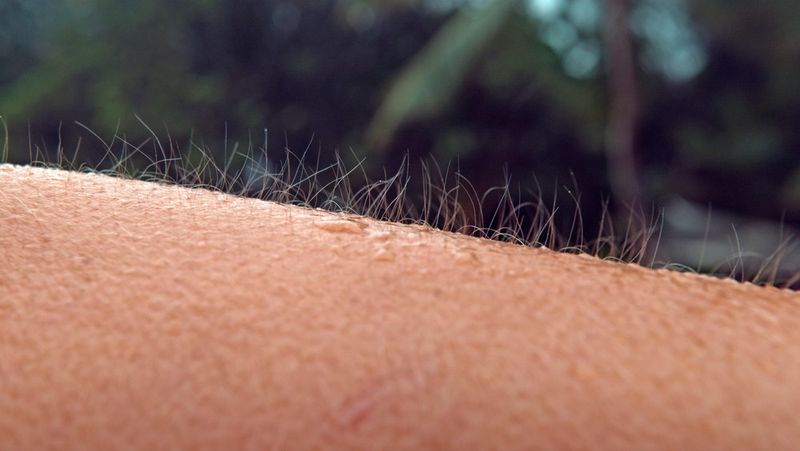
4:33And the typical opioid withdrawal syndrome is very clammy skin, goosebumps, you know,
4:40fevers, sweating, nausea, vomiting, diarrhea, everything hurts, you feel horrible, you're
4:47exhausted.
4:48If you're having that, from having stopped taking opioids, you're having opioid withdrawal,
4:53and that is a pretty big red flag that you have developed opioid dependence.
4:58Now if you have this, I don't recommend trying to handle this on your own.
5:02That can get reckless, that can get dangerous.
5:04I recommend seeking professional assistance with this.
5:07This is a treatable condition and proper help can get you out of this and hopefully get
5:12you into a safer place.
5:15So again, if you think you have those kinds of symptoms or this kind of situation, there's
5:20a fair chance that you have opioid dependence.
5:24Opioid dependence, the purely physiologic version, which is somebody who is taking pain
5:30pills for a legitimate medical reason, those individuals will become physically dependent
5:37on the opioids, but it's different than the person who has opioid addiction.
5:42The person with opioid addiction is not taking it for a legitimate medical reason.
5:47They're usually overtaking it and they have behavioral elements to it.
5:52So they get into more trouble with it.
5:54The person taking it for legitimate medical reasons may not be getting into any trouble
5:59with it, other than if they run out of medications, they will get sick.
6:05So that is the physical dependence part.
6:07But if you're abusing them, if you're using them to get high, and now you get sick when
6:11you're trying to come off, you have developed opioid dependence and you do need to get
6:15some help.
6:16If you would like to see me as a patient, you can find me at www.delraycenter.com.
6:21Please like, follow, and subscribe to my content here on Healing Sky.
6:25And also please look out for my podcast launching in the fall.
6:28Thank you.
Related videos

Join Healing Sky
Sign up now to get unrestricted access to Healing Sky's online mental health directory, resources, and more!
Sign up now
 N/A


Share this video
Send this video to someone who might find it helpful.