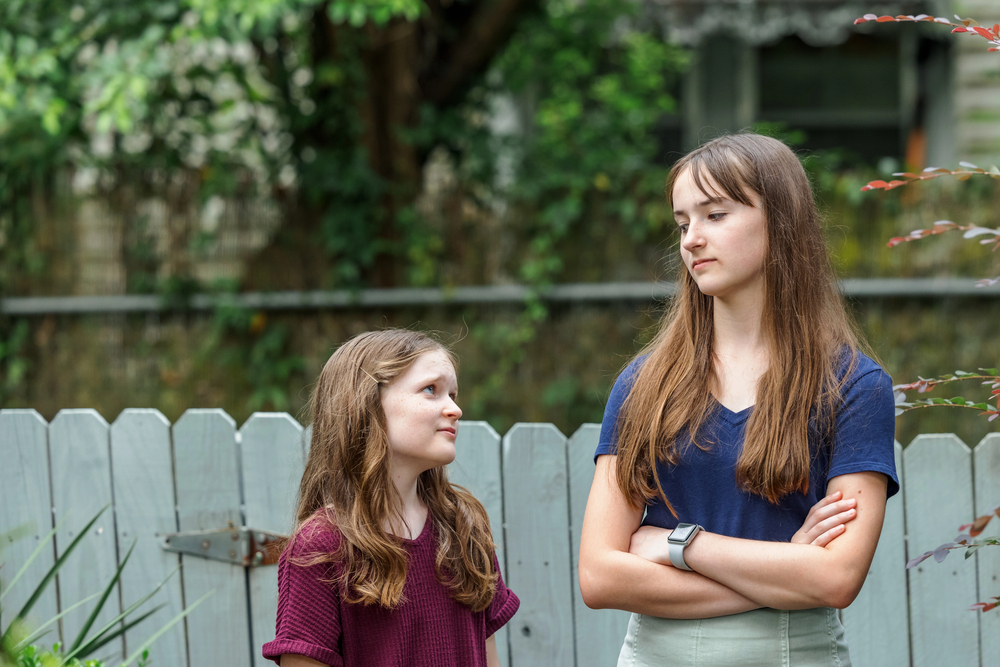
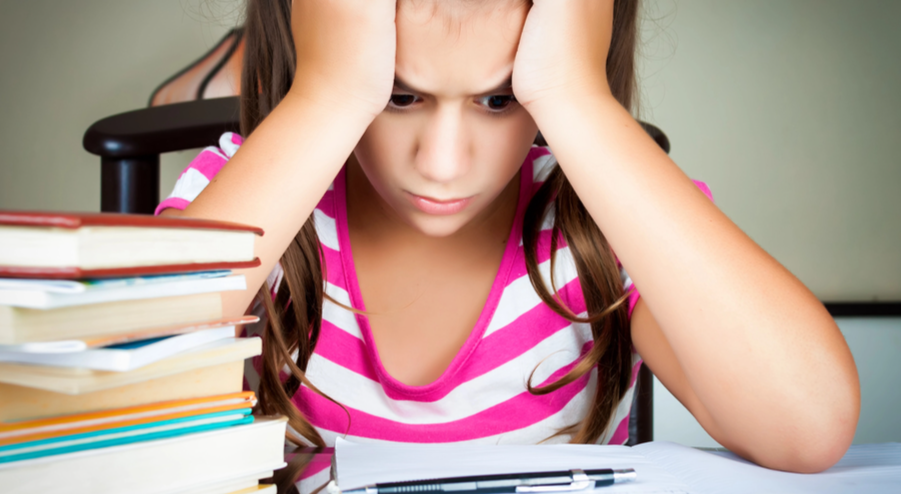
Every child gets angry. A sibling grabs a toy or screen time ends too soon, and someone ends up yelling. Most parents have seen enough of these moments to know the rhythm: the storm hits, it passes, and within an hour everyone is sitting down to dinner.
So it stands out when that rhythm changes. Many parents describe a moment when they realized their child's anger felt different, bigger and harder to reach than it used to be. We wrote this to help you think through child anger that feels different, what parents tend to notice when something more is going on, and what you can do about it.
Normal Childhood Anger vs. Something That Needs Attention
Anger itself is healthy. It tells a child that something feels unfair or out of their control, and learning to handle it is part of growing up. Tantrums tend to peak in the toddler and preschool years, then gradually become shorter and less frequent as kids build language and self-control. A seven-year-old still melts down sometimes, but usually less often and with more words than a three-year-old.
What separates typical anger from something that needs a closer look usually comes down to pattern. Researchers who studied preschool tantrums found that the ones linked to later emotional or behavioral problems tended to be unusually frequent or long, especially when they included hitting a caregiver or self-injury. For older kids, a helpful question is how quickly your child recovers. Most children calm down within a reasonable time and, once calm, reconnect with you. A child who stays irritable for most of the day, even between outbursts, is showing you something different.
Age matters too. Behavior that's expected at three can be a concern at nine, so it helps to compare your child with their own earlier self and with what's typical for their age. Our child behavior guide covers more on normal childhood anger vs something deeper at each stage of development.
Anger That Comes Out of Nowhere or Seems Disproportionate
One of the things parents mention most often is anger that doesn't match the moment. The wrong color cup sets off a twenty-minute meltdown, or a gentle reminder to put on shoes turns into screaming and slammed doors. Afterward, the child may seem confused or even ashamed, unable to explain what happened.
Anger that seems to come out of nowhere usually has a source, even when it isn't visible. Anxiety is a common one. For some kids, fear shows up as fight instead of flight, so a child who's worried about a test or a friendship may lash out at home over something tiny. Exhaustion and hunger can lower a child's threshold as well, so that minor frustrations hit much harder than they would on a rested, well-fed day.
When outbursts are severe and happen several times a week, and the child seems grumpy or irritable most of the time in between, clinicians may consider a condition called disruptive mood dysregulation disorder. Only a professional can make that diagnosis, though knowing the term exists can help you describe what you're seeing. Our emotional health resources explain more about anger that seems disproportionate to the situation and what might be driving it.
When Anger Is Paired With Other Changes in Behavior
Anger on its own tells only part of the story, and the changes around it can fill in the rest. It's worth paying attention if outbursts started around the same time as a big life event, like a move or a death in the family. Kids often lack the words to say they're grieving or scared, so those feelings come out as fury.
Look at schoolwork and friendships too. A child who is suddenly angry and also struggling to finish homework may be dealing with an undiagnosed learning difference or attention difficulty. Frustration from a reading problem or ADHD can look a lot like a behavior problem from the outside. A child who becomes angry and starts avoiding certain people or places may have had an upsetting experience they haven't shared yet.
Some pairings call for faster action. If your child's anger comes with talk of hurting themselves or others, or with cruelty toward animals or younger children, reach out to your pediatrician or a mental health professional promptly. If you believe anyone is in immediate danger, call 988 or 911. Our child mental health resources cover more about anger paired with behavior changes and what those combinations can mean.
Physical Signs That Accompany Intense Anger in Children
Anger is a full-body experience. When a child's stress response kicks in, their heart rate climbs and their muscles tighten. You might see a flushed face, clenched fists, or a child who can't sit still in the minutes before an outburst. Learning your child's early warning signs gives you a window to step in before things escalate, and it helps your child start recognizing those feelings in their own body.
Physical discomfort can also fuel anger. Younger children in particular may not realize they're in pain or unwell, so something like an ear infection or constipation can show up as irritability before any other symptom. If a change in mood came on suddenly, a checkup is a sensible early step. Puberty brings its own hormonal shifts as well, and some kids start feeling more intense emotions earlier than their parents expect.
Pay close attention if your child hurts themselves during outbursts, such as banging their head or biting, or if they seem to lose awareness of what's happening around them. Those are worth mentioning to a doctor. Our mind-body resources explain more about the physical signs of intense anger in children and how the stress response works.
How Anger Shows Up Differently at Home vs. School
Many parents are surprised to learn their child is calm and cooperative at school, then explodes the minute they walk through the front door. This pattern is common. Home is where kids feel safest, so it's often where they release feelings they've held in all day. The anger is still real, and it can also tell you how much effort your child is spending to hold it together everywhere else.
The reverse happens too. A child who's fine at home but angry at school may be reacting to something specific there, like a subject that feels impossible or a classroom that's too loud for them. Knowing which setting brings out the anger gives a professional a head start on narrowing down causes, so it's worth jotting down where each outburst happened and what came right before it. Our guide to child behavior across settings has more on anger at home vs school.
What to Do When Your Child's Anger Is Affecting the Family
When outbursts become a regular part of life at home, everyone feels it. Siblings may start tiptoeing around their brother or sister, and plans get canceled to avoid setting anything off. Parents can end up disagreeing about how to respond, which adds strain of its own.
In the moment, your calm is the most useful tool you have. Lowering your voice and keeping everyone safe matter more than winning the argument. If a younger sibling could get hurt, move them to another room first. Save the talking for later, once everyone has cooled down. A short, calm conversation afterward about what happened and what might help next time teaches repair without shame.
Outside the moment, predictable routines help. Kids with big emotions often do better when they know what's coming, especially around transitions like leaving the park or turning off a game. Structured parent training programs, such as Parent-Child Interaction Therapy and parent management training, have strong research support for reducing aggressive and defiant behavior. They focus on coaching parents, which can surprise people at first, and they tend to work because they change the patterns at home that keep outbursts going. Our family support resources offer more ideas for handling child anger affecting the family.
Getting Support for Your Child and Your Family
You know your child better than anyone, and if their anger feels different, that instinct deserves a follow-up. At Healing Sky, we list licensed child therapists and family providers so you can find someone experienced with kids your child's age. Search our directory and take the first step toward calmer days at home.