


Is Addiction A Disease?
This video explains the very complex answer to the question of whether or not addiction is a disease, a moral failure, or a character flaw.
Transcript
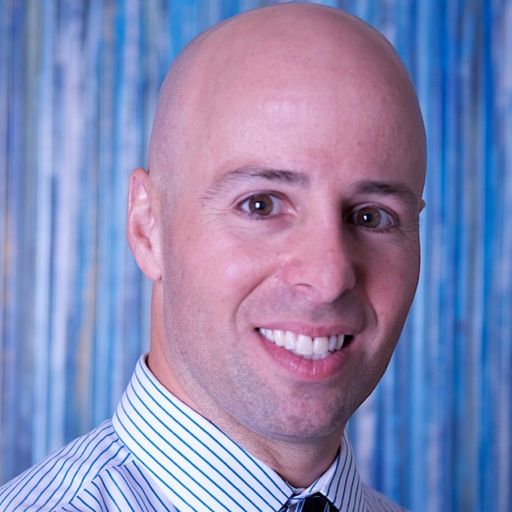
0:00Is addiction a disease or is it a moral failure? I'm going to tell you. I'm Dr. Rodriguez from
0:09Healing Sky. I'm also the medical director of the Delray Center for Healing and today
0:13we're going to talk about is addiction a disease or is it a moral failure? This one is an easy
0:20one. It's obvious. Addiction has long since been proven to be in fact a disease. It is
0:28definitely not a moral failure, but for many years that is what people thought it was.
0:34Addiction is a disease that affects the body on so many levels. It affects us physically,
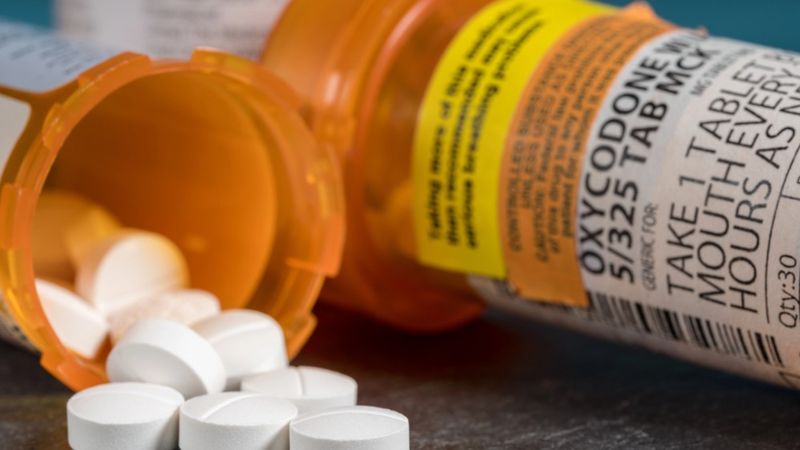
0:40some drugs more than others. For opioids, it's definitely very, very physical. The body gets
0:45hooked on it and you get very sick coming off of it, but also psychologically, but also even
0:51beyond physically and psychologically, there are so many changes in the brain that it is a very,
0:57very physical, mental, neurophysiologic process that together constitutes a disease process.
1:06Now, that disease process as a natural consequence of it, as a natural consequence of having to do
1:14things to get more drugs, because drugs are expensive, they cost money,
1:21and if people use more and more, they run out of money, so they have to do more and more things
1:25to get them, it typically leads to behaviors that are morally wrong, that are illegal,
1:33that are harmful to others, harmful to themselves, that are shameful.
1:37This is done because of the desperation to get money for the drugs. That's part of the problem
1:45of addiction. It leads to desperation to get more money to buy drugs. This is part of why people
1:52with addiction are vulnerable to people who would take advantage of somebody like that,
1:57because they are vulnerable. Because of this desperation, somebody will exploit them
2:02to get either sex out of them, or make them commit some other kind of crime, or steal, or lie,
2:08because they will do anything to get money for the drugs. That's part of the problem,
2:13and that's where the moral parkament comes in, where people think, oh, these are just bad people.
2:18They're morally bankrupt. They have all these bad ... They do all these bad things,
2:20these horrible things. It's a symptom of the disease. It is a process that people go through
2:29to just get enough drug to survive, and they're pushed to the envelope of desperation because of
2:35either the physical withdrawal of their drug, they're coming off and they're sick,
2:39they don't have money for the drug, they feel they're tortured, they're physically tortured,
2:44or even for drugs that are not opioids like cocaine or crystal meth, where it's not physical,
2:51but the mental anguish, the mental torture that comes from coming off of those drugs,
2:57the dopamine crash, it feels so horrible. It leads to desperate behaviors, and it will do
3:04desperate things just to get money to get the drugs. That's the part that is seen as
3:12the moral deficit, but again, it is a symptom of the problem. The disease process has been
3:19replicated in animals. Obviously, you see it in rats, the famous experiments of the rats in the
3:25laboratory. They give them drugs, and they will do things, insane things to get these drugs.
3:32The drugs affect parts of the brain, not just the human brain, but rat brains or pretty much
3:38any other animal that has these reward mechanisms. It illustrates how much, in fact,
3:45this is a disease process. If you are dealing with addiction yourself,
3:53it's important to know this because it's not just a simple choice. Okay, I'm going to become a good
3:59person. I'll stop doing these bad things. It's more complicated than that. Yeah, we want you to
4:03stop doing bad things, but it's more than that. This is a disease, and you need help for this.
4:08You need professional help for this. It's a treatable disease. You can treat this. You can
4:12do something about it, but you do need the help. If you're a family member or a spouse of somebody
4:18who has addiction, understand it doesn't make them a bad person. They may do bad things in
4:24the addiction, but fundamentally, they may not be a bad person. They are a person who has a disease.
4:29They are a person that needs help, and you can help them find that help. You can push them.
4:36Sometimes you might need a course, and they get that help if that's what it takes,
4:39but they need that help, but it doesn't make them a bad person. It is, in fact, a disease.
4:43If you treat it like a moral failure, the disease will continue, and they will continue to have
4:49problems. You won't get anywhere. If you treat it like a disease and you approach it like a disease,
4:54that's where you can make some progress. That's where you can actually get somewhere
4:58and get somebody better if you can do that. I hope you find this helpful. If you do need help,
5:04please seek help. You can find help here on Healing Sky. If you want help from me,
5:08you can find me at DelrayCenter.com. Please like, follow, and subscribe to my content here on
5:13Healing Sky, and please look for my podcast launching in the fall of 2026. Thank you.


Join Healing Sky
Sign up now to get unrestricted access to Healing Sky's online mental health directory, resources, and more!
Sign up now
 N/A



Share this video
Send this video to someone who might find it helpful.