


Podcast S1. E2. The Relapse Interrupted Podcast With Dr Raul J. Rodriguez, With Guest Craig Robinson, Esq. Season 1 Episode 2
PODCAST S1. E2. This is The Relapse Interrupted Podcast with Dr Raul J. Rodriguez, MD, with guest Craig Robinson Esq. Season 1 Episode 2. Craig Robinson Esq., is a Marchman Act and mental health attorney who provides valuable insights into the Marchman Act process and other aspects of mental health law. He also discusses some key concepts in the early recovery process.
Transcript
0:00Hello and welcome to Relapse Interrupted.
0:14I am Dr. Rodriguez.
0:15I am the founder of Healing Sky.
0:18I'm also the medical director and founder of the Delray Center for Healing.
0:21And today I am here with my co-host, September.
0:26And we have a special guest today, a Marchman Act attorney, Craig Robinson.
0:32Thank you for joining us.
0:33Of course.
0:34Great to be here.
0:35Thanks for having me.
0:36My pleasure.
0:37My pleasure.
0:38So you deal with some pretty serious situations.
0:44But for our viewers, a lot of people don't know what a Marchman Act is.
0:48Could you tell our viewers what is a Marchman Act and how is Florida different than other
0:54states?
0:55And again, thank you for having me.
0:58I think it's a really important topic because a lot of people don't really, they've heard
1:02the term Marchman Act.
1:03And I think most people, even behavioral health professionals, think that they have an idea
1:07of what it is.
1:08But really, I don't think most people, even in our field, really kind of know the ins
1:13and outs of the Marchman Act and why it's so important and why it's so different than
1:17other states.
1:19Florida is really unique in having this law.
1:21There really isn't a state in the rest of the United States that has anything quite
1:26like it.
1:28Most every state has a law that's similar to our Baker Act law, an involuntary psychiatric
1:34stabilization type law, where if someone's having a mental health crisis, they can be
1:38placed into a hospital setting or a crisis stabilization unit and stabilized normally
1:44for a period of 72 hours or up to 72 hours initially.
1:49Sometimes those laws allow for an extended stay, like the Baker Act does, if the individual
1:54still meets criteria at the end of those 72 hours.
1:57But normally what happens with those laws is that the individual is discharged from
2:02the hospital setting once they are stable.
2:05And the Baker Act is, or the psychiatric stabilization law is, for all intents and purposes, over
2:11at that point in time.
2:12Where we meet a lot of families is they've been through that kind of a psychiatric stabilization
2:18multiple times over and over again without a long-term solution.
2:23The Marchman Act really provides that kind of a long-term solution for those families.
2:28What it allows for is for someone to be placed in a private treatment facility at any level
2:34of care and be court ordered to remain there and to follow through with all clinical recommendations
2:39for however long they need to be there for.
2:42It can extend to the outpatient level of care.
2:44A lot of people don't know that.
2:47Many of the families that come to us, their loved ones have been to treatment multiple
2:53times.
2:55We had a family recently who their son had been to 282 different treatment facilities
3:02over a 10-year span.
3:05And most of that treatment was in Florida.
3:08Nobody had told that family that maybe they should consider the Marchman Act.
3:12And I think that's what we're, it's kind of an uphill battle that I think our firm,
3:17our team really faces is that so many people don't really know when to recommend it to
3:22a family.
3:24But really what it is is it allows for that long-term treatment to take place.
3:29It does require that there be a substance use disorder as a component to the treatment,
3:35but that does not have to be the primary disorder.
3:37Many of our families or loved ones have primary mental health disorders with a secondary substance
3:42use disorder, where really the mental health piece is what's driving the behaviors and
3:48really what the focal point of treatment will be.
3:51But as long as the individual has a substance use disorder, even if they have a primary
3:56mental health disorder and even if they need to go to a primary mental health treatment
4:00facility, they can qualify under the Marchman Act and the family can use that law to really
4:06keep them engaged for as long as they need to be in order to ensure that they're on the
4:10right path and they're on the right footing for a successful recovery.
4:14So the gentleman you just spoke about, he went to that many treatment centers, but didn't
4:19stay, right?
4:20Correct.
4:21Yes.
4:22So he would go and leave and go and leave.
4:23Yeah.
4:24Sometimes he would stay longer.
4:26I mean, there was, I think, a period in that timeline where he'd stayed for a few months.
4:31But we've done a lot of, and I'm sure you could speak to this better than I can, doctor,
4:36but I mean, the statistics are pretty clear that the longer that an individual remains
4:41clinically engaged in treatment, the better their chances of a successful recovery are.
4:47Yes, definitely.
4:48So the purpose of this and how I see it is really, I can relate to this being in recovery
4:55myself, that when I was in treatment and after I had been there for 60 days, I felt like
5:00I've got this.
5:02I don't really need to follow these clinical recommendations anymore.
5:05Why do I need to do IOP?
5:08I've done 60 days in residential and PHP.
5:10I'm good.
5:11I've got this, right?
5:12Thankfully, I had really great people around me to convince me otherwise at that point
5:18in time.
5:19But when someone leaves after 30 or 60 days of treatment, the likelihood of them actually,
5:25I mean, if it's a substance use disorder, the likelihood of them staying sober or maintaining
5:31sobriety long-term, the statistics are not great on that.
5:35No, it's definitely not.
5:39And yeah, it's true what you said.
5:42The length of time that somebody remains engaged in treatment, especially if they can remain
5:46engaged in the same treatment system, it's very advantageous.
5:52Whenever you have discontinuity, that definitely hurts recovery.
5:56The same system absolutely matters, but the longer they're in treatment, absolutely matters.
6:01And part of the issue is the conditions that we treat, the way we're dealing with is there
6:07are scenarios, unfortunately, a common scenario where people lose awareness as to how bad
6:16their condition is.
6:18They lose awareness as to how much they're affecting other people.
6:22They lose awareness as to how much they're endangering their lives.
6:26And they also usually most often really underestimate what it's going to take to actually get them
6:34better.
6:35And a lot of people don't realize and understand like the recovery process is not a quick,
6:39oh, I'm just going to stop and I'll be fine.
6:42I'll just go to detox.
6:43I'm not shaking anymore.
6:45I'll be fine.
6:46It's a more complex process, especially the psychological elements, especially if you
6:49have contributing factors.
6:51And then you have mental health components going beyond just basic denial.
6:54If you have a mental health component, we've had some cases here that I've treated that
6:59have, it's this veil where the person becomes blind to their disease and without significant
7:09external intervention, the person's disease will just keep going, keep going.
7:14And the end course or the end point of these diseases, if left unchecked, is often major
7:22injury, disability, or death.
7:25And I'm glad that Florida has this.
7:27I was surprised though.
7:28I didn't know that others, I thought other states, I thought everybody had a Marchman
7:31Act.
7:32Yeah.
7:33I mean, there are some states that have, Kentucky, for example, has a law called Casey's Law
7:39that is similar, but not really in certain ways as efficient as the Marchman Act.
7:46And what I mean by that, number one, really, there's a lot of treatment options obviously
7:50in the state of Florida that don't exist elsewhere.
7:53So that's helpful.
7:54So when you have a law in another state where maybe the treatment options aren't as vast,
8:00dual licensed facilities that can actually treat both substance use and mental health
8:05in those facilities, I think Florida probably has the majority.
8:08I mean, I know some states don't even have licensure for mental health.
8:12So if you're a substance use disorder treatment facility, you can proclaim that you treat
8:17mental health.
8:18Really?
8:19Yeah.
8:20And the reality is, I mean, you know, I see this all too often that we treat co-occurring
8:25disorders.
8:26I see that kind of advertised.
8:27But the reality is is that when you're dealing with a thought disorder or a mood disorder
8:33or, you know, something maybe more significant than maybe depression, anxiety, that kind
8:38of comes, I think, maybe as a byproduct sometimes of a substance use disorder, you know, for
8:44a facility that's an addiction treatment facility to take an individual who's maybe schizophrenic
8:48or a schizoaffective disorder or significant bipolar disorder, you know, we see that all
8:53too often that I think those facilities, a lot of facilities are not really equipped
8:58to really treat an individual with a high acuity mental health disorder.
9:03And so Florida has those options here.
9:04I mean, you know, what you guys are doing here is amazing.
9:09I think it's providing a great option for those families as well.
9:12But I don't you don't find that really in a lot of other states that have laws that
9:18are maybe similar to the Marchman Act.
9:20That's really why I say that Florida is unique in that sense.
9:25I've traveled quite a bit to other states to get a landscape of why it is that other
9:31states don't have this kind of a law.
9:34And the conclusion that I've come to is that I think people can look at this.
9:39I actually use a friend of mine as an example.
9:41I was having lunch with a friend of mine recently and he said to me, you know, I don't agree
9:46with this Marchman Act.
9:47Really?
9:48Yeah.
9:49I hear this quite often, by the way.
9:50And I said, well, tell me more about that.
9:54And he said, I've met some individuals who are under Marchman Acts and generally they're
9:57very unhappy about it.
9:59And I said, well.
10:00I mean, nobody's really happy about being marksman-acted. That I will agree with. And
10:05we really prep families for, your loved one's not going to be happy about this.
10:11But what I find interesting is that a lot of individuals that have that opinion, and
10:17I respect that opinion, by the way. People are entitled to feel the way that they feel
10:22about it. It becomes more of a, I think that the stigma of mental health and substance
10:30use disorder is still attached to that opinion. Meaning that every state has a guardianship
10:38or conservatorship type law. So if an individual has an advanced neurocognitive disorder, for
10:43instance, we don't question why an individual with advanced neurocognitive disorder might
10:48need a guardianship or a conservatorship. Someone to step in and make decisions for
10:53them regarding either their financial affairs or their medical and mental health decisions.
10:59But we do question it when it comes to addiction and mental health. And I mean, I believe,
11:05and I don't know what your opinion of this is, but that addiction and mental health can
11:09obviously take away an individual's ability to make rational and conscious decisions for
11:14themselves. I'm an example of that. I mean, where my addiction took me was to a place
11:20where I know that I was not capable of appreciating my own need for help and making a decision,
11:26a conscious and rational decision regarding my need for care.
11:30Like Doc said, the veil. You get the veil and you can't see.
11:34Yeah, people get blind. Yeah, the other part of that, and definitely it's a combination
11:40of because stigma affects the person even that has it. They are subject to the stigma.
11:46They apply the stigma to themselves, so they don't want to believe that they have this.
11:49They think, oh, that's for other people. That's for the guy under the bridge. That's not for me.
11:55I have a job. I'm clean cut. I go to church. This doesn't affect me. And they don't realize.
12:01And then part of it also just ignorance of just not understanding, not realizing what
12:07they're dealing with, not realizing that they have something that has the sheer destructive
12:12power equivalent to cancer. It's not a tumor that you can just pull out. You have to,
12:19I guess, psychologically with therapy kind of extract it, pull it out, but you have to kind
12:24of keep it in remission, keep working at it. And the other angle to this, aside from that,
12:29yes, if the disease is allowed, whether it be mental health or addiction, if it's allowed to
12:33go and continue on its own, part of what makes it such a dangerous disease is that it's like a truck
12:40without brakes going downhill. And I remember driving in Colorado. I used to go in the past,
12:48I've gone skiing. And I remember noting that they have all these like these runaway ramps
12:53that you're going up and down on the road, on the mountain road. And we have these ramps where
13:00if a truck loses its brakes, because think of how dangerous a semi-truck, we don't have trucks
13:05that go through the mountains delivering stuff. If a truck loses its brakes, what's going to
13:09happen? It's going to just crash and kill people and just destruction. But they have these ramps
13:15where if you lose your brakes and the ramp basically goes up and it's gravel, the purpose
13:20of the ramp is, okay, if you lose your brakes, okay, catch one of these ramps. And basically
13:25there's the gravity reverse angle in this case, now it forces you to go uphill and just gravity
13:31will slow you down on this gravel ramp and it'll catch you without having to destroy your truck,
13:37lose your life, kill other people. Because the DOT, Department of Transportation,
13:44knows that a truck on a mountain road going downhill, if it loses its brakes, and that can
13:50happen because it's happened, it has a sheer destructive power. And something similar exists
13:58in a human being if from mental illness or addiction, they can lose their brakes. It has
14:04a sheer destructive power. And just because somebody has a mental illness or somebody has
14:10addiction and there's a balance between rock bottom and natural consequences. But I mean,
14:16I certainly feel that a person should not have to lose their life, their career, their marriage,
14:20their health, because this condition was allowed to continue, you know, unabated for an extra week
14:28or two or a month or three or five or a year, where it's just only destruction and they have
14:34no capacity to intervene, the brakes were gone. And then the other angle with addiction and mental
14:39illness is the issue of individuals with these conditions are vulnerable. That when somebody's
14:46under the influence of drugs, or even if they're not high under the influence of addiction,
14:51they have a dependency on a substance, dependency on getting alcohol or drugs or getting money.
14:57They are vulnerable to exploitation by other people. And unfortunately, in this world, I mean,
15:03there's no shortage of people looking for people they can exploit. And they often target people
15:08with addiction, they often target people with mental illness, because they are vulnerable
15:13to mental illness. Also, they can be exploited by somebody who is of that nature. So it's a matter
15:19of protecting them from themselves and protecting them also from predatory people in this world
15:24that can, and we've seen it with celebrities, we've seen it like that. I mean, like a common
15:29example of, you know, mental illness not handled in the most optimal way, like the Britney Spears
15:36story. Yeah. And she has a number of complexities in her story. But at one point, she had somebody
15:42in her life, I think a former manager that was exploiting her. And the family had to legally
15:48intervene to get her away from him or get him away from her. Yeah, because he was taking advantage of
15:53a situation where she couldn't protect herself situationally. And, you know, she suffered harm
15:57from it. And that happens. I mean, we heard about them because it was national news, but it happens
16:01all the time to people that are not celebrities. And, and a lot of the women get sex traffic.
16:06Yeah, we see that we've had a lot of those cases to where that's how the case begins. I mean,
16:11obviously, you know, we meet families really, I look at this, kind of what we do as, you know,
16:17sort of a last resort, really, you know, for families who feel like they've tried everything
16:21else, and nothing else has really worked. And if we don't intervene quickly, then, you know,
16:28whether it's arrests, you know, jails, institutions or death, I mean, that's the reality of it is that,
16:34unfortunately, and I, you know, I hate this part of the job is that oftentimes while families are
16:41kind of waiting in that waiting period of making a decision, you know, we've had to get those calls
16:47and make those calls where we find out that that their loved one has unfortunately lost their life,
16:52like while they're while they're waiting to see what's next. I think, you know, I always tell
16:56families like when they come to us, you kind of have three pathways, right? The first pathway
17:03is to do nothing, and hope for a different outcome. Right. And I mean, when you're dealing
17:07with the kinds of cases that we're dealing with, it's not usually a great option. You know,
17:12the second and this really more pertains to addiction than mental health is set and hold
17:17firm boundaries, you know, really, as hard as that may be. And for a parent, oftentimes,
17:23you know, we've had this scenario as well. What that means is that when your son or your daughter
17:28tells you that if you don't give me money or continue supporting my lifestyle, I'm going to
17:35harm myself, which is an example of what we've had in the past, you know, as hard as that must
17:43be as a parent to be in that situation. The only thing you can support at that point in time is
17:49treatment or helping your loved one get well, you can't keep paying for the hotels and giving money
17:54to your loved one, because you know where that money is going. Unfortunately, it's it's enabling
17:59that pattern of behavior to continue, you know, and and so that's the second option is to set and
18:03hold firm boundaries. But that's really, really challenging as a parent myself, I cannot imagine
18:09having to be in that kind of a position and actually being able to hold those boundaries.
18:13And the third is legal intervention. You know, and I mean, obviously, I think the they say the best
18:20predictor of future behavior is past behavior. So if the if the pattern has been that your loved
18:26one has been to 5, 10, 15, 30, 282 different facilities and has never actually followed
18:36through with clinical recommendations every time, then I think the pattern is pretty clear.
18:42You know, I mean, we all want to believe and I know that families want to believe so deeply when
18:47their loved one is telling them, no, this time is going to be different. I'm going to really follow
18:51through this time. You really want to believe that in your heart. And it's kind of it's easy
18:56to kind of ignore what's going on before that when you're when you really want to believe that
19:01your loved one's being serious about their own recovery this time. But when we're talking life
19:05or death, you know, oftentimes that third option, when I say intervention, I don't just mean legal
19:10intervention also. I mean, it doesn't have to be a Marchman Act or a guardianship, but some
19:14something different, bringing a behavioral health professional into the equation to help coach the
19:20family. I think a lot of families go at this alone. They don't know who to turn to. You know,
19:25they don't know who to call. I mean, I remember when I finally wanted to get help.
19:29I didn't know. I mean, there were so many options out there. You could just go on Google and hope
19:34that the first person you find is going to help you. But likely that's not the greatest thing to
19:41do in that scenario either. But I think a lot of families don't know who to turn to, don't know
19:45where to turn. They feel like they're out of options. They feel like they don't trust the
19:49system. I hear that a lot. Well, I've heard families are scared to Marchman Act their family
19:55because they don't want the family member to get mad at them. They don't want if
20:00if they don't follow the Marchman Act,
20:01then there's consequences.
20:03They don't want those consequences.
20:05They hope, okay, I'll Marchman Act you,
20:07you go to treatment, we'll all be happy.
20:09But if they don't go to treatment,
20:10then the law steps in.
20:14That is the number one, I would call it,
20:17an objection that we get from families,
20:19is that my loved one, it's usually my adult child,
20:23my son or my daughter is gonna hate me forever.
20:27Quote unquote, we hear that a lot.
20:29And what I tell most families is,
20:32I can't tell you that they're not gonna hate you forever.
20:36That may, in fact, be true.
20:38I guess if they do hate you forever,
20:41and we look at the pattern of behavior
20:43that's going on at that time,
20:45it comes down to would you rather them hate you forever
20:47and be alive and well, or the flip side,
20:51that this pattern of consequential behavior continue.
20:55Or love you and bury them.
20:56Yeah, and the other aspect of that
20:58is that's not what we commonly see,
21:00is that the hate that families predict will happen
21:06normally doesn't last as long as families think it will,
21:10especially when you have the help
21:12of a really effective clinical team behind it.
21:17So once we can get them into proper care
21:19and they're with a therapist and a clinical team,
21:22they can actually sit down with them
21:24and process these feelings that they're having
21:29against their family.
21:30And really, I always tell clinicians
21:32when I'm kind of doing training,
21:34let's use this as clinical leverage.
21:37If you have a court order in place now,
21:39you have some leverage to actually help promote change
21:42and hopefully promote willingness.
21:44That's the ultimate goal,
21:45is we're taking someone who's unwilling
21:47and we're hopefully trying,
21:49you can't force willingness,
21:51but you can promote it, you can encourage it.
21:53You can get that individual into a community
21:56where other individuals are there
21:58who want their own recovery.
22:00And that could become contagious.
22:01Once somebody is exposed to other people
22:05who have already developed that willingness,
22:07that's like the magic of this.
22:09And I say the magic because I've seen this work.
22:13I know many individuals who started their recovery journey
22:16with a Marchman Act and are thriving today
22:19that have stronger relationships
22:21than ever with their family.
22:22I don't want to provide a level of false optimism.
22:24We certainly have those cases that don't work out as well.
22:29But my feeling is if for that individual
22:31who's not going to follow clinical recommendations,
22:34maybe they won't walk in the doors of a facility,
22:37maybe they'll walk in,
22:38but we know based on their history
22:39that they're not likely to stay.
22:42I think for that individual,
22:44if we can put some guardrails in place,
22:46it's really kind of the way I look at this,
22:47whether it be a Marchman Act or a guardianship,
22:49some guardrails to make sure
22:51that when that individual veers to one side
22:54or another of the pathway of recovery,
22:57whether that be for mental health,
22:59substance abuse, or co-occurring conditions,
23:03if we can have a way to redirect them back
23:05into the pathway of recovery.
23:07You talked about the consequences of the Marchman Act,
23:09and that is, it's a reality.
23:12We've had the ultimate consequences
23:14that somebody can go to jail
23:17as a result of noncompliance under a Marchman Act,
23:20but we have not had many of those cases.
23:24It's been very few that have actually gone to jail
23:26under a Marchman Act,
23:28because it creates this psychological leverage
23:31for the individual, and actual leverage as well,
23:35where there are ways to redirect them back to the facility
23:38before you have to jump to the extreme
23:41of let's just put them in jail for violating the order.
23:45No-
23:46So if they violate the order,
23:47they don't necessarily go straight to jail.
23:49There's a little time frame.
23:50The way it works is that the noncompliance
23:53gets reported to the court.
23:54The court sets a hearing.
23:57That's a contempt hearing,
23:58and that's to determine whether or not
24:01there should be a consequence imposed.
24:05I would say 95% of the time,
24:08by the time that hearing takes place,
24:10the individual's back in treatment and back in compliance.
24:12I've never seen it.
24:13I've never seen somebody,
24:14I've seen cases where somebody should go to jail
24:17because they were being obstinate,
24:19and they just wouldn't do it,
24:20and they didn't go in,
24:21but I've never actually seen it.
24:22People usually have a chance to recover,
24:24get back in compliance.
24:26But as far as being angry at the family,
24:30and less the fear,
24:31and the fear's often reinforced
24:34by the individual in question,
24:37voicing that I'm gonna hate you forever,
24:40I'm never gonna forgive you.
24:41They say these things.
24:44But they say these things
24:46in the state of peak addiction,
24:49peak mental illness.
24:50They're not really at a point where their mind is clear,
24:54and I've seen that many times,
24:56but when they get better,
24:57they typically come around.
24:59But when they're saying these things,
25:01they're still under the veil.
25:02They don't see,
25:03so when you're under the veil of,
25:05you don't see what's happening to you
25:07because of these conditions, these diseases,
25:10yeah, under that logic,
25:11that yeah, this is being done to me,
25:13there's also an element of accountability.
25:16They're still at a point in their recovery
25:18where they have not yet accepted accountability.
25:20Okay, I did this.
25:21These are things,
25:22these are my choices.
25:23I put myself into this situation.
25:26I've caused all these problems.
25:28I've caused all these consequences.
25:30They haven't yet accepted that
25:32they have a part in this,
25:33and they have to do something to get better.
25:35It's not just everybody else's fault.
25:38So when there's some of that mindset early,
25:39you have that early recovery mindset
25:41where it's everybody else,
25:42screw everybody else,
25:44it's I didn't do anything,
25:46it's their fault,
25:47it's your bad parenting,
25:47and you didn't show up to my baseball game
25:49when I was five,
25:50whatever it is,
25:51they're still blaming other people.
25:52In that mindset,
25:53they say those things,
25:54but once with effective treatment
25:56and they start to develop insight,
25:58then they go,
25:59okay, yeah, fine,
26:00I did this,
26:01I need to improve.
26:02Yeah, yeah,
26:03and I would also say too that,
26:06I mean, that really summed it up.
26:09I have not met many people
26:12who come into treatment
26:16with 100% willingness.
26:20I mean, it's been my experience
26:23that most people get to treatment
26:25through some form of external motivation.
26:30Whether it be my parents are cutting me off financially
26:33and they're finally holding that boundary
26:36that they have said they would hold,
26:37but they're actually holding at this time.
26:39Whether it be that a spouse is threatening divorce
26:43if you don't get help.
26:44I mean, there's a million examples of this, right?
26:47I mean, I think that there is usually
26:49some form of outside influence.
26:52What about jail?
26:53Is it too late to call you
26:55if a loved one is already in jail for the DUI?
26:58No, in fact,
26:59we have a lot of cases
27:00where we can arrange a direct bed-to-bed transfer
27:05from jail directly to treatment
27:07through the Marchman Act.
27:09And I have to say also,
27:10especially in Palm Beach County
27:11and Broward County in South Florida,
27:15it could be helpful to mitigate
27:17whatever punishment or penalty might be coming
27:19through the criminal proceeding
27:21if the judge knows that the individual
27:23is going directly from jail to treatment,
27:26that there is a separate civil court order in place
27:29requiring them to actually go to treatment.
27:32So it can be actually helpful
27:34for individuals that are going through a criminal case
27:37or a criminal proceeding
27:38to actually have that kind of security blanket in place
27:41to also know that there's a separate treatment order
27:44requiring them to complete treatment as recommended.
27:47I mean, hopefully,
27:48the family meets us before that happens,
27:51but it's not uncommon for a family to call us
27:54while their loved one is in jail.
27:56And normally, oftentimes,
27:59there will have been a bail set for that individual.
28:02We generally will tell families,
28:06in most circumstances,
28:07kind of hold off in paying that
28:09until we can get a court order in place
28:11and make sure that there's a safe bed-to-bed transfer
28:14directly from jail into treatment
28:15so that there is no gap in between that
28:19and that it's kind of seamless.
28:21That's excellent advice.
28:22Yeah, yeah.
28:23Yeah, and that can also help,
28:25because we're always,
28:26for us as a clinical team,
28:28we're always building a case why you should do this.
28:32I mean, there's the obvious,
28:33you should do it for yourself, for your health,
28:34to get better, you have this disease,
28:35it's killing you, it's destroying your life,
28:37but that's often not enough.
28:39And like you said earlier,
28:41people often need and respond to an external motivation.
28:44In this case, look, this is gonna help your court case.
28:47If you get treatment, you need treatment anyways.
28:49This is gonna help your court case.
28:51You may as well cooperate,
28:53because if you can get them to cooperate,
28:55even if they're under a Marchman Act,
28:56if psychologically, if mentally,
28:59they're more willing, even though it's under a Marchman Act,
29:02but they're not kicking and screaming, it still helps.
29:05Yeah, and the other aspect of it that I didn't mention
29:08is that the Marchman Act is confidential.
29:11So the moment, and it's civil as well.
29:14So the moment that it's filed,
29:16it's sealed from public record.
29:18So if, this gets asked a lot of us,
29:21like if my loved one goes to get a job,
29:23will this impact them?
29:25Generally, it does not come up
29:26on any kind of a standard routine background screening
29:29for employment and things of that nature.
29:31The one thing I can speak to
29:32is higher level government clearance.
29:34If an individual wanted to go for a government job,
29:38obviously there is a record of it, although it is sealed,
29:40that might be unsealed for purposes of something like that.
29:43So even a failed Marchman Act,
29:45where they do end up in jail, that is civil?
29:47So if they end up in jail, it still is civil,
29:50although there is a public arrest record, generally,
29:54although there are no criminal charges, generally.
29:56I mean, with the exception of that,
29:58and we thankfully haven't had this circumstance.
30:00circumstance, if somebody were to assault a police officer or commit some other crime
30:05in that civil contempt proceeding, it's possible that somebody could end up with criminal charges.
30:13But we have not had that scenario yet where someone is held in contempt and given separate
30:20criminal charges as a result of it.
30:24But again, I have to say, I could probably guesstimate that maybe it's been around 10
30:30individuals.
30:31We've probably done around 800 Marchman Acts as a firm, and maybe 10 individuals have ended
30:37up in jail under a Marchman Act.
30:39The other thing I will say is that when it does happen, it's normally a really effective
30:44intervention.
30:45That's true.
30:46Get me out.
30:47I'm ready.
30:48Don't leave me here.
30:49Yeah.
30:50I mean, people, families will say that to us, they're like, you don't know my son or
30:55my daughter.
30:56Like they will be the one that will be held in contempt.
30:59They will be the one that goes to jail and they will be the one, because when they go
31:03to jail, if I could maybe just explain this, they're held in civil contempt, not criminal
31:09contempt.
31:10The difference between those two is that with civil contempt, the purpose of contempt is
31:14to force their compliance with a court order.
31:17It's not to punish them.
31:18So it would be the equivalent, I don't have a better analogy of an individual who doesn't
31:23pay child support, for instance.
31:25If you don't pay child support, you could be held in civil contempt.
31:28You can, the judge can hold you in contempt and order you to be incarcerated until you
31:33pay your child support.
31:34But the purpose of that is not to punish you, it is to force you to pay your child support.
31:40Bad analogy, I know, but I don't have a better one.
31:42It's good.
31:43You know, but it's the same concept, right?
31:45So the purpose of this is not to punish the individual.
31:48It's just that they have not been compliant with the court order.
31:51If they're not compliant with the court order, we have determined that they are unsafe.
31:56The only way to get them to a safe place, unfortunately, is to put them in jail.
32:01They get brought back before the judge or the magistrate relatively quickly.
32:04The judge or magistrate has a conversation with them, and essentially they have the keys
32:09to the jail cell.
32:10If they say, I'm willing to go back and get back in compliance with the court order, they'll
32:14get out of jail that day and be taken back to treatment.
32:18Every time we've had somebody go to jail, they are begging to go back to treatment at
32:23that point in time, you know, to get out of jail.
32:25So we've never had somebody who has said, no thanks, I'll stay in jail.
32:30Now the one caveat to that, I will say, is there are some individuals in this world who
32:36I believe that are more comfortable in jail than they are out in society or in treatment.
32:43We haven't run into that case yet, but I generally will kind of caution families.
32:47If your loved one has been to jail multiple times, and they are the type of individual
32:51who's comfortable in that environment, then this may not be the pathway for you.
32:56Because if we truly run into that situation where someone says, I would truly rather be
33:00in jail than be in treatment, then I don't think this is going to be as effective for
33:06that kind of an individual, because that's really the worst kind of consequence that
33:09can happen.
33:11Yeah, but I mean, that's a kind of an extreme case that's not most people.
33:15And somebody in that situation has, I mean, has other problems, probably a personality
33:19disorder.
33:20Sure.
33:21And some other big issues.
33:22And, but you say, so some people going to jail is like the big turning point.
33:27And that can be, you know, like that goes to the rock bottom theory, which I'm not a
33:32huge fan of to have as a method to apply to everybody.
33:38I don't think that's necessary to do it to everybody.
33:40But there are some cases where some people are just really stubborn, just really resistant.
33:45They're just, they dig in.
33:47And for some people, the only way they're going to get a clue, the only way their brain
33:53is going to acknowledge or register, okay, this is too much, this is the problem, is
33:59when they hit that severe consequence.
34:03I mean, we try to avoid jail at all costs, but jail still technically qualifies as a
34:08survivable consequence.
34:11You're at least not dead.
34:12Right.
34:13And in this case, you're talking about civil, not criminal.
34:16So you're still much better off being angry and alive as opposed to dead, because dead
34:22you can't recover from.
34:24And some people, it takes that much.
34:25It takes having to be in that environment to like kind of shock them into it.
34:29Again, excluding those few that are comfortable in jail, that's a separate group.
34:34But one thing I wanted to kind of go back to was the issue of timing, because timing,
34:39there's some nuances to timing.
34:41And my thoughts are, if somebody thinks they should get a marchman act on their kid, if
34:47they're wondering, maybe we should, my general experience has been they probably should or
34:52should have like probably six months ago is a general thing.
34:55Because timing with mental illness, timing with addiction is key, because you're talking
35:00about, again, you're talking about the truck that lost its brakes, just careening down
35:07the side of the mountain, and it's going to destroy something, if not themselves or themselves
35:12and somebody else.
35:13So the sooner somebody intervenes, the better.
35:16And I actually have had one sad case one time, I never actually treated the person, but the
35:21family called me that, this is a true story, back when, I don't know if this is going to
35:26date me, they used to have this thing called the Yellow Pages.
35:31Back in the day, I don't know if you guys even know what the Yellow Pages are.
35:34Yeah, exactly.
35:35That big yellow book.
35:38Back in the day, when I first came out, when marketing was simpler, before the internet
35:41was really that much of a thing, marketing was based on Yellow Page ads.
35:45So I used to have a Yellow Page ad, and I made it pretty far with that Yellow Page ad.
35:49And I remember one time, the police called me that, oh, so-and-so, he died, he's dead,
35:55and he was holding, they literally found him, he was dead, holding the page with my Yellow
35:58Page ad.
35:59Oh my gosh, you just gave me the chills.
36:01No, for real.
36:02I was trying, the guy was going to call, I never actually spoke to him or actually saw
36:05him, but he died holding, I had my picture in the Yellow Page ad, so they knew it was
36:09me.
36:10Yeah, sure.
36:11So he had the ad with my picture in it, the guy died, he wanted help, but he didn't make
36:14it, he died.
36:15Wow.
36:16So the sensitivity of time with these conditions is key, because so many bad things can happen
36:26so quickly.
36:27And the other principle to this is, I try to explain to people and patients and families
36:31is, I call it the principle of exponential worsening.
36:36So the principle of exponential worsening is, people think, okay, things get worse,
36:40it's escalating, it's getting worse, and they think that things just get worse on a linear
36:44graph, meaning it goes up a little bit over time, it kind of goes up proportionate over
36:50time.
36:51But that's really not the case.
36:52The way addiction works for a lot of complex neurophysiologic reasons, the way mental health
36:58works, again, for a lot of complex neurophysiologic reasons is, the conditions tend to, yeah,
37:04they get worse and they're getting worse, they're getting worse, but especially with
37:07addiction, but even just regular mental health, and when they're mixed, forget about it.
37:11You have this point of exponential worsening where, in a very short, okay, it's been getting
37:15worse over time, but you get to that point, and in a very short amount of time, it just
37:19kind of goes vertical like this.
37:21And what happens is, you have severe consequences that might have taken three years to get to
37:27this point, but from then this point to this point, it might take a day.
37:33You get to that point where something clicks, you have a change, something, they get manic,
37:37they get psychotic, or they get delirious, but things just get worse, and that's where
37:42you see the arrest, that's where you see death, and that's where things go wrong.
37:46So people start thinking, okay, I think maybe I should get a March Max over here.
37:51They're not willing to go.
37:52They have a problem.
37:53They're over here.
37:54That's really the time.
37:55Don't wait for it to be that obvious.
37:56When it's that obvious, it might be too late.
38:00Get them over here while they're still, okay, you know they're breathing, they're still,
38:04okay, we can still save this.
38:06I've seen it so many times, especially nowadays with the evolution of the opioid crisis, because
38:12that's the other thing that has changed.
38:15When I started practice, the first day I came in, I was working in Boca.
38:21First thing I saw, the first six patients I saw, they were hooked on this drug called
38:24OxyContin, and in training I had never heard of it.
38:27Over there it was just heroin.
38:28Everybody was just doing heroin.
38:29And I show up here and they're doing OxyContin.
38:32Back then we had these little yellow books.
38:33We didn't have iPads or we didn't have, that was before the iPad.
38:37So we didn't have all these, we didn't have these smartphones, we had like a flip phone
38:40and this little yellow book we used to stick in our pocket right here and all the doctors
38:43had it and had all the medications and whatever little couple of pearls of wisdom written
38:48about each medication in there.
38:49This little yellow book, man, you carry that thing everywhere.
38:52And you never lost one of those.
38:53You had a spare.
38:54And so you look in there and look at it, what's OxyContin?
38:56Oh, okay, OxyContin, half-live, okay, okay, this is, this looks like trouble.
39:01And I basically started detoxing these people as an outpatient.
39:04But back then it was all, that was the start of the pill mill crisis.
39:08And that was a huge crisis.
39:09But one thing about the pill mill crisis was because it was pills, people could quantify
39:15it.
39:16People knew how many milligrams they were taking.
39:18Not that it was safe, but it was at least a little more predictable than heroin.
39:24And so people had opiate problems and they had overdoses and people died.
39:28But there was an element of predictability that kept a lot of people alive longer than
39:35what we have now.
39:36The last couple of years when the fentanyl came to the market, I mean, fentanyl had been
39:40there as a prescription medication, but it wasn't really that widely available.
39:44And even back then when people encountered fentanyl, they often overdose.
39:48But nowadays it's all over everything.
39:52It's kind of, it's almost like pushed out all the heroin, it's all fentanyl now.
39:56And they should, with the fentanyl, when that first came out to the market, I had about
40:00a bunch of patients that I had for a while that all died from single-use relapse overdoses,
40:08meaning they were sober, they had a relapse, they used once and they died.
40:11I had a bunch of them just boom, boom, boom, boom in a row.
40:14All of them were single-use, they just died.
40:17So the danger of having an active problem just went up just dramatically just because
40:24of what's available.
40:25People get addicted and they use what's available.
40:27And the fentanyl, which was out there now, and now you have the other, like if fentanyl
40:31wasn't bad enough, you have norefentanyl, you have other variants that are even more
40:35dangerous, even a higher risk of overdose.
40:39So if somebody's actively using and opiates is their thing, each additional day it's literally
40:46like Russian roulette.
40:47They can just overdose and die just like that.
40:49It doesn't matter how much experience they have.
40:51Like when I had those patients that died, those were all highly experienced.
40:55If they had like a college course, like an MIT course, how to use heroin, they could
40:58be like the professor emeritus, how to use heroin because they had so much experience
41:03doing it.
41:04They can write like a dissertation and you use this vein because they had done it so
41:07many times.
41:08So it wasn't for lack of experience.
41:09They weren't rookies.
41:10They were adults and they knew what to do, but they don't realize what they're up against.
41:17And that's part of the issue here is with addiction, you're up against the disease.
41:22You're also up against the substances that are available in the community.
41:25In this case, if it's opiates, it's a very dangerous substance, very dangerous.
41:28So the timing of a Marchman Act for any drug, for any mental illness is key.
41:36I would say, I mean, alarm bells, especially if there's opiates, because one more day of
41:41this might be their last day.
41:44And if they're even thinking Marchman Act in their head, then call you, right?
41:49For consultation.
41:50They don't even have to do it.
41:52They can just call you.
41:53Yeah.
41:54I would say most of our families, it's about a two to three month timeframe on average
41:59between the time they first talk to us and the time that they actually decide to move
42:03forward.
42:04Now, granted to your point, I mean, I always try to kind of sum it up to tell families
42:10it's better to be proactive than reactive, because being reactive and waiting until the
42:15last moment, as you said, could be detrimental.
42:19But yeah, it's about a two to three month generally on average timeframe between a family
42:23or their first conversation with us and when they actually decide to move forward.
42:26I mean, granted, you have those scenarios where the family calls and it's like, we have
42:30to move forward today.
42:32But yeah, I would say that that's the biggest thing that trips them up, I think, is the
42:37fear of the reaction.
42:39And also, I think the guilt and shame that families go through, especially parents in
42:45this scenario, and the questioning of, what did I do wrong?
42:50If we go forward with the Marchman Act, I think that means we finally have to admit
42:54that this problem is larger than we maybe have been trying to believe that it is.
43:01And so, I think for families also, there's part of it that parents, I think, struggle
43:05with of the guilt and shame that comes with having to ... It's a big deal.
43:12I mean, I don't underestimate this and I don't ever try to downplay it.
43:19Filing a court case to get your loved one the help that they need, filing any court
43:24case is a big deal.
43:27When we're prepping families for these hearings too, that's a big moment where I really put
43:33a lot of thought and time and effort into kind of putting myself in the shoes of a family
43:37member that might be going through this and what it must be like to be in court with your
43:41loved one who you're trying to help.
43:43I think ... I've been a lawyer for 19 years and I've come to believe that when people
43:48are in court for any reason, there's a natural inclination to feel like you've done something
43:55wrong or that you're doing something wrong.
43:57It's just kind of this natural feeling that you get.
43:59What did I just do to my son?
44:01Yeah, but I mean, whatever it is, it's like being in a courtroom is not a very comfortable
44:04position for non-attorneys.
44:06You know what I mean?
44:07Whether you're the expert walking into court or whether you're at either the defendant
44:12table, the petitioner table, the respondent table, it's an uncomfortable position to be
44:15in.
44:16But I try to remind families that taking this step as a family I think is one of the most
44:22courageous steps that you can take for a loved one.
44:26When you think about that, actually going forward with this and going to court because
44:32you believe that that is going to potentially save your loved one's life is really powerful.
44:41For the individuals that get well through this process, and when they actually recognize
44:46what their family did for them, not to them at that point in time, yeah, there's a lot
44:52of gratitude.
44:53I mean, I have to tell you, I've gotten these calls.
44:57There's a video on our website.
44:59There are more that we can do.
45:00We haven't done them, but of an individual that we, Marchman Act, that we represented
45:04his mom.
45:05He actually reached out to me a few years after the Marchman Act to express his gratitude
45:11to us.
45:12The reality is we were a small, really truly a small part of it.
45:16It was his mom and the clinical team that treated him and the medical team that treated
45:20him that really did the heavy lifting in that case.
45:25But for someone to actually come to that realization that I want to call the Marchman Act attorney
45:29that represented my mom, I mean, this young man said some choice words to me in court.
45:35I'm sure.
45:36The day of the hearing.
45:37I'm sure.
45:38So to go from that to where we were several years after, and he was getting married, and
45:43he had a baby on the way, and he was employed, he was financially stable, he was sober.
45:48That must make you feel so good that you assisted in that.
45:52It made me feel good.
45:55It's being in recovery, like as I mentioned too.
45:57We all have whys for why we get into this field.
45:59I'm sure that you have a personal why.
46:03I was a different kind of an attorney for many years, and I never felt really the connection
46:08to this field that I do.
46:09Being in recovery and getting to see people get well, however that may be, through a Marchman
46:13Act guardianship or some other way, I love that.
46:17Because to be on the other side of that, it's a new life.
46:22Somebody can actually really kind of reinvent themselves.
46:26Actually have a life now, and do cool things like the things that I get to do today.
46:31That's the best part of this, really.
46:36I go to a regular meeting for myself, and actually in that meeting, there are five individuals
46:43that regularly go that we represent at their families, that I get to see several times
46:48a week.
46:50They all have years of sobriety now, at least a year each of sobriety.
46:58That's really cool to kind of get to see it work in that way, because there are a lot
47:01of people who will say, it can't work unless the person wants to help.
47:07You're like, no, we have all these happy endings.
47:10That's great.
47:11Right.
47:12If you look at the big book of Alcoholics Anonymous for really true kind of ... I love
47:19Alcoholics Anonymous.
47:21I love the 12 steps.
47:22There's a line in that book.
47:23It's in chapter 11, Working with Others, it says, if the alcoholic doesn't want the help,
47:27move on to the next alcoholic.
47:28It's trying to tell people that wait until the person is ready and willing.
47:34They can't really be in a place to receive the help.
47:36Obviously, times have changed since the 1930s, and things are a little bit different today.
47:39Yes.
47:40One book does not fit all.
47:41Yes.
47:42Yes.
47:43I agree with that concept, but I also believe that if we can get the person to the place
47:50and to the team and to the behavioral health group and to the community that can help them,
47:56as I mentioned before, develop that willingness, that's the magic sauce right there.
48:03That's the best part of it.
48:09We talk to a lot of families every day.
48:18I'm not pushy with families.
48:20Truly, our goal is ... You mentioned when a family calls us, we do a consultation.
48:25The goal of that consultation is so that they can have all of the information that they
48:29need to make an informed decision.
48:31I can't tell the family what to do.
48:33I really can't.
48:34It's not my place to tell them you should do this or you shouldn't do this.
48:37I can tell them whether the criteria, I believe, the criteria of the Marksman Act are met and
48:41whether we have a strong case and whether we can get your loved one to treatment and
48:44court-ordered to treatment and remain there for as long as they need to be.
48:49There are times, I have to say, that I really have to tell families.
48:53From everything I'm hearing, I think this is the right pathway for your family.
49:03It's really tough.
49:04My family went through it with me, so I understand it and I empathize with what families go through
49:11in this scenario.
49:12Also, sometimes I really just ... I want to be kind and gentle, and at the same time,
49:17I want to really tell them the full truth, which is that if you don't do something different,
49:23whether it's with me or whether it's hiring somebody else, it doesn't matter to me.
49:27But really, if you don't change the way that you have approached this in the past, I fear
49:34that the ultimate consequence is going to be death or a significant crime or something
49:39of that nature.
49:40The other aspect of it, I will just say too, is that families need a lot of work as well.
49:49I think one of the great things about treatment is that the family oftentimes gets to be brought
49:58into the picture.
50:00and to do family therapy, and to work on themselves.
50:04It's one of the things that our firm
50:05is trying to work on now.
50:06We actually offer, we have, I think,
50:09seven or eight team members now
50:11that have higher level clinical degrees,
50:14like master's level clinical degrees.
50:15Really?
50:16Yeah, so it's kind of unique for a law firm.
50:18I have a master's of social work as well.
50:21So many of us have worked in the addiction
50:24and mental health treatment space
50:25before doing this type of law.
50:30And so we run support groups for our families
50:32while they're going through the process with clinicians.
50:35So, and the reason for that is that many of our families,
50:37when they come to us, it's like,
50:40Johnny's the problem, we're not, you know,
50:42just fix him, get him to treatment and get him fixed.
50:46And one of the harder conversations
50:48we have to have with families is this is a time
50:50where you should be doing some work as well.
50:54And the hope with us is that in those support groups
50:57that they can start to get a taste.
50:59It's not meant to replace what an actual therapist
51:04or a family group or family coaching
51:07or whatever it is that the family needs.
51:09It's not meant to replace that.
51:10It's actually meant to kind of give them
51:12a small taste of that, of what it can be like
51:15to actually get that kind of support
51:17for yourself and your family.
51:18Because it's not just about the individual in treatment.
51:21In fact, oftentimes the family might need more work
51:24than the individual who's actually in treatment themselves.
51:26Well, it's just by the trauma of going through
51:29the whole addiction with a family member.
51:32Yeah, oh yeah, yeah.
51:33I mean, the whole thing is traumatizing, right?
51:35Yeah, for everybody involved.
51:37And, you know, sometimes, I hate to say
51:41that the apple doesn't fall far from the tree.
51:44And what I mean by that, I don't mean that like,
51:46that can come across maybe offensively to some, but.
51:49I don't know, my kids are always like,
51:50well, I'm your child.
51:51Yeah, well, you know, mental health and addiction
51:55oftentimes runs in the family, right?
51:56Well, it's very much inherited.
51:59And you also have family systems.
52:01And I will say now, it's a delicate topic
52:04because in these family systems,
52:08you often have what's called the identified patient,
52:11which is usually the person in question,
52:13and often with good reason.
52:16But when you have that dynamic of the identified patient,
52:18the problem with that dynamic is that families
52:23use that dynamic as a way to kind of hide
52:27or obscure anything that they're doing
52:29that might have contributed to this.
52:30Because yeah, addiction can happen in anybody
52:34by just using drugs and getting around it.
52:36It's not that hard for addiction to happen.
52:38If you're predisposed, it happens more easily.
52:42Most of the time, there is some family situational
52:46contribution beyond the genetics
52:48that added to some insecurity,
52:53some emotional instability,
52:54something that either facilitated or perpetuated
52:59this disease process of addiction.
53:02So when families come in, and yeah, I get that a lot.
53:06Oh, here, fix them, make them better.
53:09And we do include family therapy.
53:10It's an important part of treatment,
53:12a very important part of treatment.
53:13You need the family's cooperation.
53:14We do give families some time that they will jump over
53:19hoops and all sorts of things
53:21to not show up for family therapy,
53:24to avoid it, to try to not have to face,
53:27okay, what's their part, what's their contribution?
53:29Because they're facing a different layer
53:33of the stigma now that's pointing at them.
53:35Now there's something that they did that affected their son.
53:38Is there something that they're doing that,
53:40okay, really, okay, this needs help.
53:41Okay, they don't have addiction themselves,
53:43but their behavior is not healthy
53:46and it's hurting the system.
53:47That can actually be a challenge.
53:49I would say at the point in time
53:52of getting somebody into treatment,
53:54I usually like to wait until the patient is in treatment
53:58and secure, and then do some education,
54:02and then try to approach that
54:04because if you come on too hard, too strong,
54:07up front, the family's, oh, let's go somewhere else.
54:09And then the problem just perpetuates.
54:11They just, they avoid it,
54:13and they'll go out of the way to avoid it.
54:14It's incredible what lengths people will go to
54:18avoid facing that, okay, oh, it's not just Johnny.
54:23I did something that is making this worse.
54:26I'm doing something unhealthy.
54:27You'd be surprised, but ultimately,
54:29with education and therapy,
54:31the family wants Johnny to get better,
54:34and there is a significant contribution
54:36to the disease process coming from the family,
54:39the mother, the father, a sister, whoever it is.
54:41You know, if they really want him to get better,
54:43addressing that, which oftentimes can be easier to address
54:47than they may realize,
54:49can sometimes be one of the most impactful things
54:52they can do for Johnny is, okay, let's address this,
54:56and now Johnny really will have a fair chance
54:58at getting better finally.
55:00Sure, yeah, I mean, and you said that
55:04much more articulately than I did.
55:06Thank you for that.
55:07That's kind of what I was trying to say there,
55:09but yeah, I mean, you know,
55:12especially around the, we talked a little bit
55:14about this beforehand, but with the holidays coming up,
55:17I think it's actually kind of a timely conversation
55:18because it becomes, I remember when I went home
55:20for Thanksgiving, my first Thanksgiving in recovery,
55:23you know, it was like the whole family
55:25was walking on eggshells,
55:26because there were people drinking around me,
55:28and it's like, should we drink around them?
55:29Should we not?
55:30Should we put it away?
55:31Like, how should we react to him?
55:33And, you know, it was almost as if I was kind of
55:36in this world where I felt like,
55:38I mean, I could have been imagining it or exaggerating it,
55:41but that everyone around me was kind of like,
55:43they didn't know how to act around me.
55:45They were trying to be respectful,
55:47but also at the same time,
55:48they didn't want to call out the obvious, you know?
55:51So there was an elephant in the room.
55:53There was an elephant in the room, yeah.
55:54And, you know, how I dealt with it as I just,
55:57I remember I went to like three meetings that day.
55:59I was like, I was just like,
56:00because for me, I was like,
56:01I just got to get with my people right now.
56:04But, you know, but it's so hard for families to,
56:07it's not just what do we do while Johnny's in treatment,
56:10it's how are we gonna, what do we do after?
56:14You know, I think that's also what I think
56:16a lot of families don't understand,
56:18that this isn't, like I said earlier,
56:20this isn't just like Johnny goes away for 60 days,
56:22he's fixed, he comes back to the family
56:24and everything's normal, you know?
56:26Aftercare and family work is a huge part of this process
56:32to actually give it the best chance
56:34of being overall successful.
56:36And a lot of family members, I have to say,
56:37are protective over their own use of substances.
56:40As you said, addiction doesn't always run in the family.
56:43Sometimes they're, you know, one of the parents,
56:47you know, or someone in the family system
56:49is an addict themselves and may be unwilling to admit it.
56:53And that's a really challenging part of the dynamic.
56:55Marijuana is a big one for us.
56:59We're seeing a lot of cannabis-induced psychosis cases
57:02where families don't realize, you know,
57:05because they might smoke marijuana themselves.
57:08And it becomes this, well, I smoke, I smoke marijuana.
57:11In fact, on our intake form,
57:13we have to ask a separate question for,
57:16does your loved one use drugs or alcohol?
57:18And then we have to use a separate question,
57:20does your loved one use any cannabis-derived products?
57:23Because a lot of families will say no to the drugs,
57:26or will say no to the drugs and alcohol
57:28and yes to the cannabis question.
57:30So they're not even including it as a drug
57:32because they're not really looking at it
57:34and they're not really understanding the impact,
57:36especially today with the changing landscape
57:40of cannabis and it's,
57:45so that's kind of, there's an education piece
57:46that takes place on our end too
57:47where we have to explain to the families,
57:50yes, I understand that you use marijuana safely,
57:54probably, and without any issue.
57:56But Johnny, who maybe has bipolar disorder,
58:01like for him, it's a whole different ballgame.
58:04And also Johnny might be getting at a dispensary
58:06where the THC concentration is 70%
58:09as opposed to 5%, you know?
58:11And that's the key.
58:12And so we see this a lot, the cannabis thing,
58:15we see this a lot.
58:16And that's actually, I've seen that story evolve
58:20over the years and everything that you're describing
58:24is accurate and there's reasons why.
58:27There's a reason why everything you said is true
58:29and why it happens.
58:30Well first off, you have the issue of the,
58:33because I also have to ask patients,
58:35do you do any drugs?
58:36No.
58:37Do you use marijuana?
58:39Yes, it's like, it's a 50-50.
58:42It's a 50-50 nowadays because ever since it was legalized
58:47in whatever state had it first, out West,
58:50it's been viewed by the public as,
58:54oh, it's legal in whatever Washington or California,
58:58in their mind, it's legal everywhere.
59:00And therefore it's safe,
59:02therefore I can just go to town with it.
59:04And marijuana has all of these different biases.
59:09And they wanna treat it like a medication.
59:11People, oh, but any medication, if you take aspirin,
59:14you take a certain dose of aspirin,
59:16you don't just get a handful of aspirin
59:17and crush it up and swallow it or stick it in a smoothie
59:21to have that aspirin hit really hard.
59:23You don't do that because that's gonna give you an ulcer,
59:25it's gonna cause a problem.
59:26Every medication has a dose.
59:28But with marijuana, there's the common mindset.
59:32So back from when it was a drug,
59:36or it was widely acknowledged as a drug,
59:37people are using it to get high,
59:39they try to take as much as they can of it
59:41as quickly as they can to have an effect.
59:43The effect wasn't for a medicinal effect,
59:45it was for an intoxicating effect.
59:48So there's, and that mindset has persisted
59:50even as it was medicalized.
59:53Now, and this is important for the audience,
59:56for families when their kid is having an issue
59:59with marijuana.
1:00:00They themselves use marijuana, but it's fine for them, but their kid can't handle it.
1:00:04There's a few different reasons why this happens.
1:00:07First off, the parent by virtue of age and timelines and what marijuana was available
1:00:13then has been using marijuana for a long time.
1:00:16But when they started marijuana, yeah, it might have been 5%.
1:00:18It might have been God's marijuana, which is the one that was naturally occurring in
1:00:23the environment, which yeah, you can get high from that.
1:00:26But the amount of THC in that is so much lower than the modern genetically engineered
1:00:32whatever how it's procured, super strong 70% THC version of marijuana that they have now.
1:00:40So when you have a slow ramp up in dosing, somebody who's been using marijuana since
1:00:46they were a teenager, since whatever, 70s or 80s, and it ramps up slowly, starting with
1:00:51low dose marijuana for decades, not for weeks or months, but for decades and doesn't see
1:00:57the stronger stuff until like 30 years later, maybe 40 years later, that person has an ability
1:01:04in their body to first off metabolize the THC faster than the next person.
1:01:08So they have a higher tolerance and they're somewhat habituated so it doesn't have the
1:01:13same dangerous impact as somebody who is young and goes from zero to 70% within like two
1:01:20weeks or maybe a month and they didn't have that 20, 30, 40 year ramp up of the dosing.
1:01:29So that person gets psychotic, whereas their parents who did it for 40 years, it's not
1:01:35the 40 years that makes you psychotic, it's the dose effect and that the key point is
1:01:40the dose effect, how quickly you get to that high dose, that's what causes the problems.
1:01:44And that's why you'll see families where parents can do it, the kid can't.
1:01:49But the kid's like, you're doing it and you're going to tell me not to do it.
1:01:52Is it like do as I say, not as I do?
1:01:54And that's the problem because then you're faced with, okay, now you have, you're in a different
1:01:59era, the marijuana now is dangerous, you have it's psychologically dangerous because viewed
1:02:04as a medication or they try to view it as such, it's still a drug.
1:02:07And for the most part, it's used as a drug.
1:02:09Yes, it has some medicinal properties, but for the most part, people use it and treat
1:02:14it like a drug and the medical card is a license to get high for most people that I have witnessed
1:02:20that use it.
1:02:21I'm sure here and there, people do use it properly.
1:02:24A lot of people don't use it properly.
1:02:25Sure.
1:02:26And a lot of people get hurt with it, which is my issue with it.
1:02:28A lot of people, they suffer harm from it.
1:02:30So now telling a parent, okay, if you want your kid, you want Johnny to stay off pot,
1:02:35you know, it'll help a lot if you stop smoking your 40 year habit.
1:02:39But I don't have the problem with it, why should I have to stop?
1:02:42And that's the challenge we run into.
1:02:44And that's a challenge.
1:02:45And that's where the family therapy comes in.
1:02:46Now, that's one of those that takes a lot of work on.
1:02:48That takes a while, but that is the conflict within families, you know, and okay, yeah,
1:02:53you don't have a problem with it, but Johnny does and he's your son.
1:02:56And if you want Johnny to have a fair shot at this, if he comes home and smells pot every
1:03:00day, because even if it's 5% pot, it still smells like pot.
1:03:02He smells that every day.
1:03:04You're treating him every day and you're asking him to not do it, but you're doing it yourself.
1:03:09What are you, what do you think is going to really happen?
1:03:11How do you think Johnny's going to really turn out?
1:03:13And that's about that.
1:03:14But that's a key step.
1:03:15But we face that a lot.
1:03:16Yeah.
1:03:16So in summary, call Chris.
1:03:19Yeah, well, I mean, I would say, yeah, I mean, like to your point, September, if a family
1:03:27is, you generally call us, I mean, you know, if you're thinking, I should probably, you
1:03:33know, or I should consider Marshmack my loved one.
1:03:36It's kind of like if you go to a, I brought up Alcoholics Anonymous.
1:03:39It's like, if you find yourself in a room of Alcoholics Anonymous, you know, chances
1:03:44are you're probably an alcoholic.
1:03:48It's like, if you're thinking we should probably take some sort of a legal pathway, the reality
1:03:52is that that's probably true.
1:03:55But nevertheless, I think a lot of families are just not educated well enough on it and
1:04:01they want to know more about it.
1:04:03So in that scenario, yes, you know, there's no cost for calling us and for having that
1:04:09conversation.
1:04:10So it's a free consultation.
1:04:11It is a free consultation.
1:04:11Oh, that's perfect.
1:04:12There's no reason not to call you.
1:04:14No, and it's, I mean, we generally allot 75 minutes Zoom call.
1:04:17Oh, wow.
1:04:18That's generous.
1:04:18You know, so.
1:04:19Very generous.
1:04:19Because I mean, these conversations can take time, obviously.
1:04:22And so, yeah, I mean, a lot of families, I mean, I have to tell you, some of our best
1:04:26reviews that have been given to us have been from families that actually never hired us.
1:04:31Really?
1:04:32You know, that really just were, you know, they got a lot of helpful information out
1:04:36of that consultation.
1:04:37And so we encourage families to really be informed the earlier, the better.
1:04:43If you're thinking in that direction, I think it's at least a good idea to call.
1:04:47Get all the information you need.
1:04:49And if it's we want to wait a little bit longer, I mean, well, I don't necessarily
1:04:53always recommend that.
1:04:55At least you're going to have had that conversation already.
1:04:58You have all the information you need to make an informed decision when the time is right.
1:05:03And if you don't end up going that direction and things turn out differently, then that's
1:05:07great.
1:05:07You know, I mean, ultimately, I think we try to check in with our families and even the
1:05:13families that don't hire us.
1:05:15It's one of the things we've been doing a little bit more of.
1:05:17We're also trying to get a better idea of how things are going down the road.
1:05:22There have been a lot of studies done.
1:05:24I shouldn't say a lot.
1:05:25There have been a few studies done of the efficacy of involuntary treatment over time.
1:05:31I don't think there's enough research on this, but it is something that we're trying
1:05:35to do also to really continue to check in with our families on a regular basis, months,
1:05:40years down the road to see how they're doing so that we can kind of develop our own
1:05:44information and research to determine.
1:05:46I mean, I already, the studies that I am aware of have generally come out in the direction
1:05:54that the efficacy of treatment, whether it be involuntary or voluntary, is essentially
1:05:58the same.
1:05:59That the likelihood of an individual achieving long-term sustained recovery is not determined
1:06:07by whether they get there through a Marchman Act or they get there because my parents cut
1:06:11me off financially.
1:06:13Essentially, they're in the same, they have the same opportunity, that individual that
1:06:16gets the treatment, to get well.
1:06:18That's so interesting.
1:06:19Yeah, yeah.
1:06:20I would say the, you know, for family, nobody opens with the Marchman Act and that's not
1:06:26the, oh, so-and-so will drink up, Marchman Act.
1:06:28No, you first try to talk them into it just naturally, okay, I think you should get help.
1:06:32You don't sit there in denial with them.
1:06:36You approach your family member, try to talk to them, maybe have a couple family members
1:06:40together, stage a mini-intervention, try to talk to them, sometimes an actual intervention.
1:06:44And when you have the resistance, when you've identified as a clear problem, and usually
1:06:49it's not that hard to identify a clear substance or major mental health problem, and you try
1:06:56to intervene and they're not going for it, and they just resist, that's when, okay, that's
1:07:01when now a Marchman Act, if you're fortunate enough to live in Florida, is an option, it
1:07:07should be looked at.
1:07:08Now, as far as the timing, I'll talk about, you know, the efficacy, you're talking about
1:07:11efficacy.
1:07:11And if you don't live in Florida, still call Craig.
1:07:14Yeah, yeah, you actually, I should say, you don't have to live in Florida.
1:07:17The person just needs to be physically present here.
1:07:20So we have a lot of families that do find us from out of state and actually bring their
1:07:23loved ones to the state of Florida for purposes of the Marchman Act.
1:07:26Yeah, which is, which helps, which helps a lot.
1:07:29Absolutely.
1:07:29I interrupted you, sorry.
1:07:30No, no, it's fine, it's fine, no worries, no worries.
1:07:32So the, so, but once you identify that there's a problem, there's, for families and for the
1:07:39audience, a couple kind of red flags of, okay, if you have these, you really need to intervene
1:07:47fast.
1:07:48If the person is on opiates, you need to intervene fast because the modern opiate problem is
1:07:55a very, very dangerous problem.
1:07:58It's very treatable, so treatable and very dangerous.
1:08:02If the person is using needles, God forbid, if they're using needles and opiates, you
1:08:07really need to intervene quickly because that is Russian roulette with two or three bullets
1:08:11in the chamber.
1:08:12You know, that's, that's just, that's extremely dangerous.
1:08:15So once you cross over the needles, when a person crosses over the needles, the effect
1:08:19on the brain, on the mind, that by itself is such a negative prognostic factor.
1:08:26Their disease gets so much worse when they cross over the needles.
1:08:29So once the needles are in the picture, families should be alarmed because it's very, aside
1:08:33from it's dangerous, it's already a more severe condition to treat.
1:08:37If a person is already showing escalating consequences, you know, they're at the risk
1:08:43of losing their job, losing their marriage, but they just, they can't, the veil is there,
1:08:47they can't see it.
1:08:49You need to intervene, you need to intervene quickly.
1:08:52And then talking about efficacy.
1:08:56Oh, we did a Marchman Act and it went back to using afterwards.
1:09:00Now, efficacy, as far as how well does treatment work, there's different ways to look at it.
1:09:05Ultimately, I mean, ideally we like to simplify, oh, we put them in rehab, they're better and
1:09:10they're better now, it worked.
1:09:12That's the ideal.
1:09:14Oftentimes, that's not the case.
1:09:16Like the guy with 282, which that's the record, that's the highest I ever heard, that blows
1:09:21my 27 was the record I ever heard.
1:09:24282 is mind blowing.
1:09:25But yeah, but something is systemically wrong when you get to that.
1:09:29But, you know, efficacy is, I mean, the eventual, I mean, and the sooner you do it, the better,
1:09:34obviously, but the eventual goal is to get that person sober.
1:09:36That is the eventual goal.
1:09:38Knowing that it may take a few times to do that.
1:09:41And sometimes like I learned this, you know, doing this, I started doing this in 2000 myself.
1:09:46I learned early on, sometimes in certain cases, even with a Marchman Act, all you can do for
1:09:52somebody is if you can keep them alive and buy time by forcing them into treatment.
1:10:00treatment, by whatever it is, to keep them alive,
1:10:02and just kick that can down the road a little bit.
1:10:06But keep them alive until something else can cause a shift
1:10:11in their life, and finally, they get it.
1:10:15That's key.
1:10:16That's a great way to put it.
1:10:17That's key.
1:10:18I remember one case, I never forget this one case,
1:10:20this one girl, incredibly, incredibly beautiful girl.
1:10:22She was stunningly beautiful,
1:10:24but she came from a gang background,
1:10:26and this girl had been in the stuff you see
1:10:29in the Sicario kind of gang, like seriously,
1:10:31like shooting people, killing people,
1:10:33like chopping heads off kind of a gang situation,
1:10:36and she was hardcore.
1:10:38Beautiful, but hardcore.
1:10:39You know, I'd be terrified to be in a room with her,
1:10:41and alone, she's gonna kill me.
1:10:43Yeah, she was like, and she had a bad opiate problem,
1:10:45and I'm thinking, you know, I get these cases
1:10:49where I'm thinking, man, how are we gonna save this one?
1:10:51How, and it's like, and we're doing our thing,
1:10:53we're trying to, and she was just like not receptive,
1:10:55not receptive, but yeah, we're keeping her alive,
1:10:58keeping her alive, and then, in this case,
1:11:01you know, it was just, I can't call it any other thing,
1:11:04a blessing, she got pregnant.
1:11:07She got pregnant, had a boyfriend, got pregnant,
1:11:09and something, well, something is the maternal instinct,
1:11:14kicked in, it kicked in, and all of a sudden, she stopped.
1:11:19All the baloney stopped, I slipped.
1:11:23You only got to edit one.
1:11:24Edit that out.
1:11:25Yeah.
1:11:27All the, you know, all the bad behavior stopped,
1:11:30and she went from, you know, thug life to like.
1:11:35Mom life.
1:11:36Mom life.
1:11:36Yeah, but like, no, but like mother of the year mom life.
1:11:39She was like something like a cover
1:11:40of Better Homes and Gardens.
1:11:41She just like, and.
1:11:44Fell in love.
1:11:44Yeah.
1:11:45Yes.
1:11:46That'll do it.
1:11:47Yeah.
1:11:48That can do it.
1:11:49But the point is, you know, keep them alive.
1:11:52You know, if you don't know what to do, keep them alive,
1:11:55and if it takes a Marchman Act, keep them alive.
1:11:57Yeah.
1:11:58And that's what you do.
1:11:59Yeah, and get them to great people like yourselves.
1:12:00You know what I mean?
1:12:01Because that is key.
1:12:02I mean, I really think that really quality treatment,
1:12:05I really mean, you know, I mean,
1:12:08there's 1,200 DCF licensed facilities
1:12:10in the state of Florida.
1:12:11Yeah, quite a few.
1:12:12A lot of good ones, some okay ones,
1:12:15and then there's some, you know, I mean,
1:12:17I don't keep track of all 1,200,
1:12:19but obviously when you have that many, you know, facilities,
1:12:22I don't think that all of them are doing a great job,
1:12:25but really kind of knowing who to call.
1:12:26And I think what you guys are doing here
1:12:28is really special.
1:12:29The services that you're offering are amazing.
1:12:31It's really an honor and a privilege
1:12:32to kind of be here with you all.
1:12:33So, thank you.
1:12:34Oh, thank you, thank you.
1:12:35And again, and we definitely thank you
1:12:37and appreciate what you do,
1:12:38because, you know, like you deal,
1:12:39like, and again, you don't, nobody gets a Marchman Act
1:12:43for like an easy case.
1:12:44The easy cases, they just come in.
1:12:45Yeah.
1:12:46You get all the hard ones, you get the resists,
1:12:47you get the dug in, you get the truck
1:12:51where the brakes are gone,
1:12:52and they're careening down the side
1:12:54of that mountain road,
1:12:55and you're the, you are the, that ramp that saves life.
1:13:00We are, we kind of, we have a term for it.
1:13:02We kind of call, we look at ourselves
1:13:04as a member of the behavioral health team
1:13:06that provides a legal service.
1:13:08So, you know, this is, I really look at this
1:13:10as the facilities that we work with,
1:13:12the clinicians, the medical doctors
1:13:13that we, you know, have these cases with.
1:13:16It's a collaboration.
1:13:17Interventionist, case managers, you know,
1:13:19sober companions, sober transports.
1:13:21I mean, everyone plays a significant role in the process,
1:13:25and none of us really can do our job effectively
1:13:27without the other, you know.
1:13:29Me getting them to treatment,
1:13:31if their treatment center is not offering the services
1:13:34and able to provide the proper care for that individual,
1:13:36it's not gonna work, and likewise,
1:13:38they're probably not gonna end up there or stay there
1:13:40if there's not a Marchman Act in place.
1:13:41So I think that's the beauty of it,
1:13:42is all of us kind of, you know, in this field,
1:13:45working together for the betterment of the families
1:13:47that we serve and those individuals,
1:13:48and hopefully, you know, try to impact
1:13:50as many lives as we can.
1:13:52Given that you've been doing this since 2000,
1:13:53I can't even imagine the amount of lives
1:13:56that you've impacted in the 26 years.
1:13:58I'm only in my sixth year in the behavioral health field,
1:14:02so thank you for your time and effort
1:14:05and all the lives that you've impacted, too.
1:14:07Thank you.
1:14:08Now, so if families wanna reach you,
1:14:10if families want a consultation,
1:14:12how exactly can they reach you?
1:14:14Yeah, they could reach us in a variety of ways.
1:14:16I mean, the firm is Robinson and Casey,
1:14:18so if you Google Robinson and Casey,
1:14:20our website comes up, our, you know,
1:14:22all of our profiles and whatnot come up.
1:14:24Our phone number is 561-849-4700.
1:14:27Again, 561-849-4700.
1:14:31You can email us at, the easiest way is intake
1:14:34at RobinsonCasey.com.
1:14:37RobinsonCasey or Robinson and Casey?
1:14:39RobinsonCasey.
1:14:40Okay.
1:14:41The firm is, it's kind of confusing.
1:14:42The firm is Robinson and Casey,
1:14:44but the website is RobinsonCasey.com.
1:14:47Okay.
1:14:48But yeah, I mean, we're on social media.
1:14:50We're on Instagram.
1:14:51I have no role in that.
1:14:53It's actually my wife that does our social media accounts.
1:14:56Oh, there you go.
1:14:57So, but we try to be pretty visible
1:15:01because I really think that,
1:15:04and hopefully this reaches both behavioral health
1:15:07professionals who don't know enough about this topic,
1:15:10and I encourage those individuals as well.
1:15:13We offer free training, clinical training
1:15:15for facilities as well.
1:15:17So I'll go into facilities and do clinical training
1:15:20with them for no charge,
1:15:21because I find that it's really important
1:15:23for all clinicians and even doctors as well
1:15:27to be educated on this stuff.
1:15:30So whether it be a family that's listening
1:15:32or a clinician or a behavioral health professional
1:15:34of sorts that doesn't feel like they know enough
1:15:35about the Marchman Act,
1:15:37I'm happy to have that conversation with anyone.
1:15:39So everybody call.
1:15:40Everybody.
1:15:41No, everybody call.
1:15:42No.
1:15:43Excellent.
1:15:44All right, so last question off topic.
1:15:47I've always wondered this.
1:15:48So how did you end up with Robinson Casey
1:15:51instead of Casey Robinson?
1:15:52How'd you negotiate that one?
1:15:53So actually, it was pretty simple.
1:15:55We felt like Casey Robinson sounded like
1:15:59the name of a person,
1:16:01like the name could be Casey Robinson,
1:16:03whereas Robinson Casey sounded more like
1:16:05a actual law firm name.
1:16:07That is a great reason.
1:16:08It was really as simple as that.
1:16:09When we played both out,
1:16:10we just thought it sounded better.
1:16:12That is a great reason.
1:16:13Yeah, yeah.
1:16:15So I don't know if you were expecting,
1:16:17hopefully you weren't,
1:16:17hopefully I didn't let you down.
1:16:20I don't get the arm wrestle for it.
1:16:22No, we just, neither of us really cared.
1:16:26In fact, quite honestly, it's not even about,
1:16:27we have a team of 22 people.
1:16:29So to say Robinson and Casey,
1:16:30we've talked a lot about like,
1:16:33law firms do that a lot.
1:16:34It's a lot of, I think,
1:16:36there might be some ego tied into that as well,
1:16:37having your name in the firm.
1:16:38But I really think that it's not about those two names.
1:16:42We have an incredible team of people.
1:16:44Like I mentioned,
1:16:45seven team members that have
1:16:47master's level clinical degrees
1:16:48that have worked in addiction and mental health treatment.
1:16:50I mean, our director of operations
1:16:51started her career as a therapist.
1:16:55Amanda, who you've been in touch with,
1:16:56started her career.
1:16:57I love Amanda.
1:16:58Yeah, she started her career as a therapist.
1:17:00So we have like-minded people
1:17:02who are really dynamic and just,
1:17:05and they're aligned with the mission,
1:17:07which is really to help as many families
1:17:09as we possibly can through these scenarios
1:17:11and do it well.
1:17:12Excellent, excellent.
1:17:13So anyway, we got the Robinson though.
1:17:16That's right, Craig Robinson.
1:17:18So thank you.
1:17:19Thank you for coming.
1:17:20I will say you are an incredible guest.
1:17:22And what we do offer to our incredible guests
1:17:24is in January, we're starting a live podcast
1:17:28called Live Fire with Dr. Rodriguez.
1:17:31You're gonna be there too,
1:17:33in case you didn't know.
1:17:34And we would like to,
1:17:36we would like to,
1:17:38we believe you now,
1:17:39you qualified, you have crossed the threshold
1:17:42for you're good enough to do live,
1:17:44because we did,
1:17:45there's no cuts, no editing for this.
1:17:47You were like absolutely perfect.
1:17:48So we would like to invite you in 2027
1:17:51to be a guest on our live podcast.
1:17:53It'll be earlier, no, it'll be later in the day,
1:17:55so you don't quite get up so early.
1:17:57It'll be a lunchtime podcast.
1:17:59Consider me booked.
1:18:00Excellent, excellent.
1:18:01I'm in, I'm in.
1:18:02Yeah, thank you.
1:18:03And what happens is with a live podcast
1:18:04is the audience gets to chat us through Healing Sky,
1:18:08and they can ask us,
1:18:09they can ask me, you, questions,
1:18:12and it helps direct,
1:18:12you know, because people,
1:18:13we have an idea of what they want to hear,
1:18:15what they should know,
1:18:15but they're gonna have some questions,
1:18:17and it can be really insightful for people.
1:18:18Amazing.
1:18:19I love that.
1:18:20Looking forward to it.
1:18:21Excellent.
1:18:22Thank you so much.
1:18:23Thank you so much.
1:18:23Thank you for coming,
1:18:24and thank the audience.
1:18:26Relapse Interrupted,
1:18:27next episode dropping next week.
1:18:29Thank you all for watching.
1:18:31Have a good day.


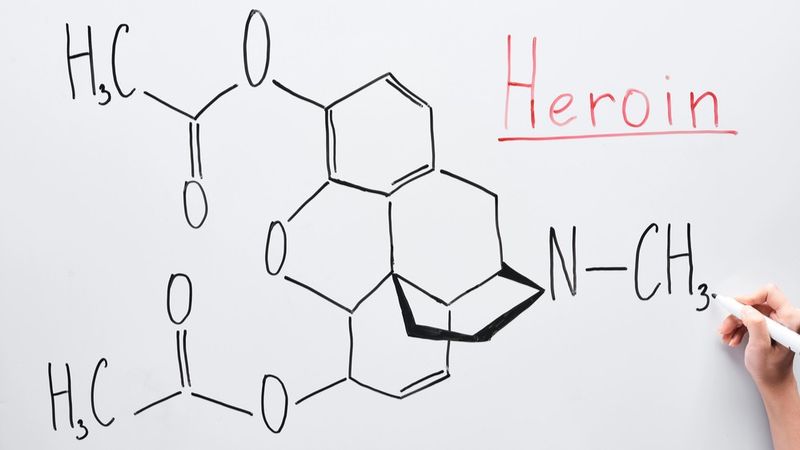


Join Healing Sky
Sign up now to get unrestricted access to Healing Sky's online mental health directory, resources, and more!
Sign up now
 N/A


Share this video
Send this video to someone who might find it helpful.